Drum Sanders: An Informative Guide to Wood Sanding Machines, Uses, and Key Features
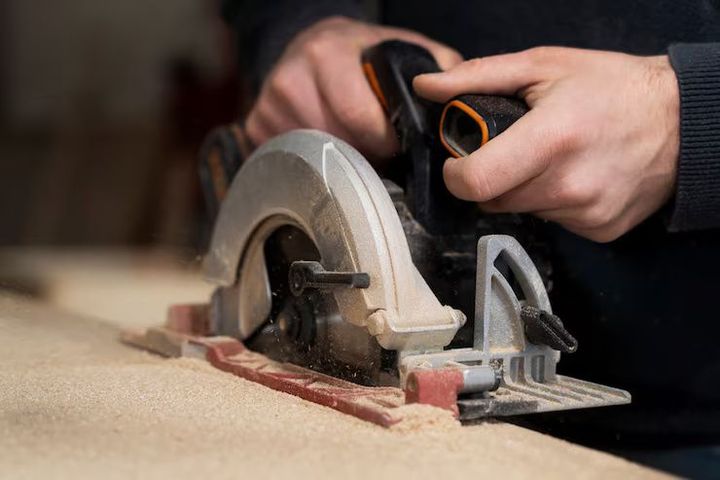
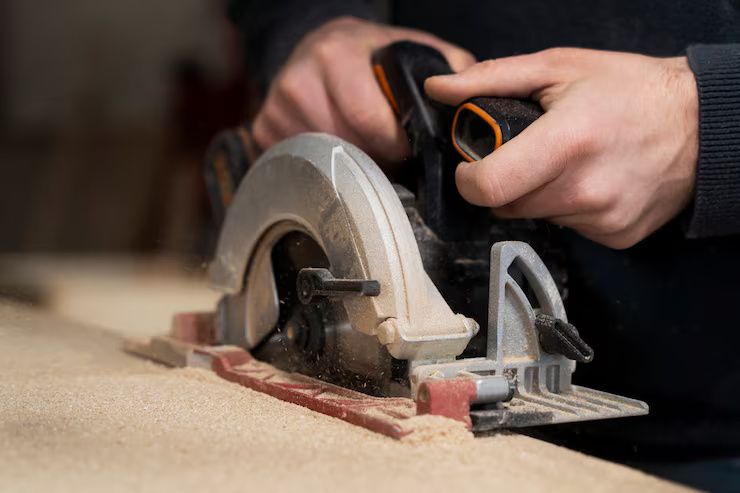
Drum sanders are specialized woodworking machines designed to smooth, level, and refine wooden surfaces. They operate using a rotating drum wrapped with abrasive sandpaper, which removes small layers of material from wood panels or boards as the material passes under the drum. This process produces a consistent and even finish that is difficult to achieve with handheld sanding tools.
Drum sanders are woodworking machines designed to improve efficiency and accuracy in sanding tasks. Traditional sanding methods required significant manual effort, especially for large panels or hardwood surfaces. These machines automate the sanding process and ensure consistent results.
They are widely used in furniture production, cabinetry, flooring manufacturing, and carpentry workshops. Educational woodworking labs also rely on drum sanders for training purposes.
Types of Drum Sanders
Different types of drum sanders are available based on application scale and functionality. Each type offers unique advantages depending on the woodworking environment.
Common Drum Sander Types
- Open-end drum sander for small workshops
- Closed drum sander for industrial use
- Dual-drum sander for high-precision sanding
- Wide-belt drum system for large-scale production
Drum Sander Comparison Table
| Drum Sander Type | Typical Application | Key Characteristic |
|---|---|---|
| Open-end drum sander | Small workshops | One side open for wider panels |
| Closed drum sander | Industrial woodworking | Supports larger boards |
| Dual-drum sander | High-precision sanding | Two sanding stages |
| Wide-belt drum system | Large-scale production | High throughput capacity |
Why Drum Sanders Matter in Modern Woodworking
Modern woodworking requires precision and consistency. Drum sanders help achieve uniform thickness and smooth surfaces across large panels. This is essential for both structural quality and visual appearance.
They are beneficial for multiple professionals and industries.
Key Beneficiaries
- Furniture manufacturers
- Interior designers and cabinetry producers
- Flooring manufacturers
- Carpentry professionals
- Woodworking students and institutions
Advantages of Drum Sanders
- Uniform surface finishing
- Precise thickness control
- Improved productivity
- Reduced manual effort
- Better preparation for finishing
These machines are especially important with the growing use of engineered wood and laminated panels. Consistent sanding ensures better results in modern woodworking applications.
Recent Developments and Trends in Drum Sanding Technology
Recent advancements in 2024 and 2025 have improved drum sanding technology. Manufacturers are focusing on automation, efficiency, and safety.
Key Trends
- Smart sensors for monitoring sanding pressure
- Digital control panels for adjustments
- Advanced dust extraction systems
- Integration with automated production lines
- Energy-efficient motors
Digital monitoring systems allow operators to track performance in real time. This helps identify issues like uneven sanding or excessive material removal early.
Improved dust control systems are also becoming standard. These systems enhance worker safety and maintain machine performance.
Regulations and Safety Standards
Drum sanders must comply with safety regulations in many countries. These standards ensure safe operation and protect workers in woodworking environments.
Common Regulatory Areas
- Machine guarding and operator safety
- Dust exposure limits
- Noise regulations
- Electrical safety standards
- Industrial certification
Organizations such as OSHA and European regulatory bodies enforce these standards. Compliance is essential for both manufacturers and workshop operators.
Recommended Safety Practices
- Use proper dust collection systems
- Wear respiratory protection
- Maintain machine guards
- Monitor feed rate and pressure
- Conduct regular inspections
Following these practices reduces risks and improves operational efficiency.
Tools and Resources for Wood Sanding
Various tools and software solutions support sanding operations. These resources help improve planning, accuracy, and maintenance.
Common Tools
- CAD software for design planning
- CAM software for automation
- Thickness calculators
- Dust collection planning tools
- Maintenance management systems
These tools assist in optimizing sanding processes and improving productivity.
Sanding Grit Progression Table
| Sanding Stage | Grit Range | Purpose |
|---|---|---|
| Initial leveling | 60–80 grit | Remove uneven surfaces |
| Surface smoothing | 100–150 grit | Improve uniform texture |
| Pre-finish preparation | 180–220 grit | Prepare for coating |
Proper grit selection is essential for achieving smooth and consistent results.
Frequently Asked Questions
What is a drum sander used for?
A drum sander is used to smooth and level wooden surfaces. It removes small layers of material to achieve uniform thickness and finish.
How is it different from a belt sander?
A drum sander uses a rotating cylindrical drum, while a belt sander uses a continuous abrasive belt. Drum sanders are more suitable for precise surface leveling.
What types of wood can be sanded?
Drum sanders can process hardwood, softwood, plywood, and engineered wood products. They are versatile for various woodworking applications.
Why is dust collection important?
Dust collection helps maintain air quality and protects machine components. It also reduces health risks associated with wood dust exposure.
What affects sanding results?
- Sandpaper grit size
- Conveyor feed speed
- Drum pressure
- Wood hardness
- Machine calibration
Proper adjustment of these factors ensures optimal performance.
Conclusion
Drum sanders are essential tools in modern woodworking. They provide precise surface finishing and consistent thickness control across various applications.
Advancements in automation, digital controls, and dust management have improved their efficiency and safety. These developments continue to support evolving woodworking needs.
With proper maintenance and adherence to safety standards, drum sanders remain a reliable solution for achieving high-quality woodworking results.