The concept of ergonomics comes from the scientific study of how people interact with their environment. Over time, workplaces have evolved, and so has the need for furniture that reduces physical strain. Ergonomic chairs are developed using principles of body mechanics, aiming to maintain natural posture and prevent discomfort.
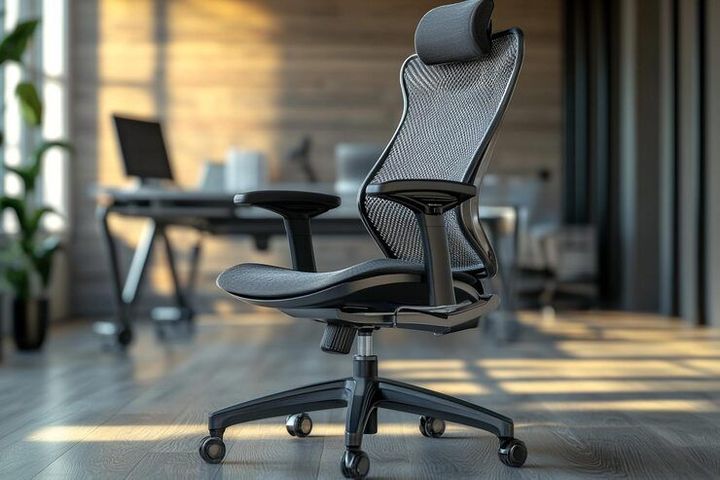
Today, these chairs are widely used in corporate offices, home workspaces, educational institutions, and even gaming setups. Their design includes adjustable features such as seat height, lumbar support, armrests, and reclining angles to fit different body types and preferences.
Importance
Ergonomic chairs matter more than ever due to the increasing number of people working in sedentary roles. Long hours of sitting without proper support can lead to various health issues, including back pain, neck strain, poor circulation, and fatigue.
These chairs help address several common problems:
-
Poor posture caused by slouching
-
Lower back pain due to lack of lumbar support
-
Shoulder and neck tension from improper alignment
-
Reduced productivity due to discomfort
They are especially important for professionals in sectors such as IT, finance, education, and design, where individuals may sit for 6–10 hours daily. Students and remote workers also benefit significantly from ergonomic seating.
Proper ergonomic support can improve focus and reduce physical stress, which contributes to better overall well-being. In workplaces, this can lead to improved efficiency and fewer health-related disruptions.
Recent Updates
In the past year (2025–2026), ergonomic chair design has seen notable advancements driven by health awareness and hybrid work trends.
Some key developments include:
-
Increased adoption of mesh-based breathable materials for better airflow
-
Integration of smart sensors that track posture and sitting habits
-
Growth in customizable chairs with modular components
-
Rising awareness campaigns about workplace ergonomics in countries like India, the US, and the UK
In early 2025, several workplace wellness reports highlighted a sharp increase in musculoskeletal issues among remote workers. This led organizations to emphasize ergonomic setups as part of employee well-being programs.
Additionally, sustainability trends have influenced manufacturers to use eco-friendly materials such as recycled plastics and responsibly sourced fabrics.
Laws or Policies
Ergonomic chairs are indirectly influenced by occupational health and safety regulations in many countries.
In India, workplace safety is guided by frameworks such as the Occupational Safety, Health and Working Conditions Code (2020). While it does not specifically mandate ergonomic chairs, it emphasizes safe working environments, which includes proper seating arrangements.
Globally, guidelines such as those from OSHA (Occupational Safety and Health Administration) in the United States encourage ergonomic practices to prevent workplace injuries.
Key policy-related aspects include:
-
Employers are encouraged to provide safe and comfortable workstations
-
Awareness programs on posture and workplace ergonomics
-
Inclusion of ergonomic assessments in corporate wellness initiatives
Many organizations now conduct ergonomic audits to ensure employees have proper seating and desk setups, especially in hybrid work environments.
Tools and Resources
There are several tools and resources that can help individuals understand and improve ergonomic seating practices.
Posture Assessment Tools
-
Digital posture analysis apps
-
Workplace ergonomics assessment checklists
-
Online posture evaluation guides
Adjustment Guides
-
Chair adjustment diagrams and manuals
-
Interactive setup tools for desk and chair alignment
-
Video tutorials explaining proper sitting posture
Productivity and Health Apps
-
Apps that remind users to take breaks
-
Tools that track sitting duration and posture habits
-
Wellness apps focused on stretching and movement
Educational Resources
-
Government workplace safety websites
-
Health blogs focusing on ergonomics
-
Research publications on musculoskeletal health
Key Features of Ergonomic Chairs
| Feature | Purpose | Benefit |
|---|
| Lumbar Support | Supports lower back curve | Reduces back pain |
| Adjustable Height | Aligns chair with desk level | Improves posture |
| Armrests | Supports arms and shoulders | Reduces shoulder strain |
| Recline Function | Allows backward tilt | Enhances comfort |
| Seat Depth | Adjusts seat length | Improves circulation |
| Headrest | Supports neck and head | Reduces neck tension |
FAQs
What makes a chair ergonomic?
An ergonomic chair is designed to support the natural posture of the body. It includes adjustable features like lumbar support, seat height, and armrests to reduce strain during prolonged sitting.
Can ergonomic chairs prevent back pain?
They can help reduce the risk of back pain by promoting proper posture and providing support to the spine. However, regular movement and stretching are also important.
How should an ergonomic chair be adjusted?
The chair should be adjusted so that feet are flat on the floor, knees are at a 90-degree angle, and the lower back is supported. Armrests should align with the desk height.
Are ergonomic chairs suitable for home use?
Yes, they are widely used in home workspaces, especially with the rise of remote work. They help maintain comfort during long hours of sitting.
Do ergonomic chairs improve productivity?
They can contribute to better focus and efficiency by reducing discomfort and fatigue, allowing users to work more comfortably for longer periods.
Practical Tips for Using Ergonomic Chairs
Sitting Position Tips
-
Keep your back straight and supported
-
Avoid crossing legs for long periods
-
Maintain eye level with your screen
Daily Habits
-
Take short breaks every 30–60 minutes
-
Stretch your neck and shoulders regularly
-
Alternate between sitting and standing if possible
Workspace Setup
-
Ensure desk height aligns with chair
-
Keep frequently used items within reach
-
Maintain proper lighting to reduce strain
Conclusion
Ergonomic chairs play an essential role in modern work and study environments. As people spend more time sitting, the importance of proper seating continues to grow. These chairs are not just about comfort but also about maintaining long-term health and improving daily productivity.
With ongoing advancements in design and increasing awareness about workplace ergonomics, ergonomic chairs are becoming a standard part of healthy living and working practices. Understanding their features, benefits, and proper usage can help individuals create a more supportive and efficient environment.
By combining the right chair with good posture habits and regular movement, it is possible to reduce physical strain and enhance overall well-being in both professional and personal settings.