Fabric Inspection Machines Overview: Types, Uses, and Industry Insights Explained
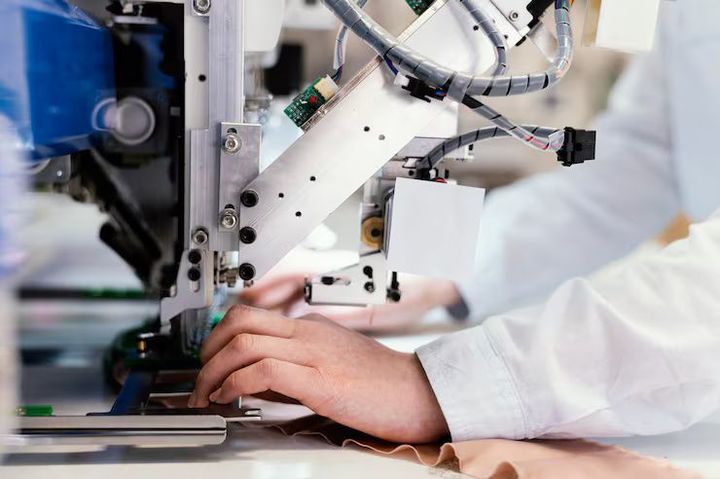
Fabric inspection machines are specialized systems used in the textile industry to examine fabric quality before further processing or distribution. These machines help detect defects such as holes, stains, weaving faults, color inconsistencies, and misprints. The purpose of these machines is to ensure that fabric meets quality standards required for garments, upholstery, and industrial textile applications.
The textile production process involves multiple stages such as spinning, weaving, dyeing, and finishing. During these stages, defects can occur due to machine errors, raw material inconsistencies, or environmental factors. Fabric inspection machines are used to identify these defects early and prevent faulty materials from moving forward in production.
Modern inspection machines are equipped with advanced features like digital monitoring, automated defect detection, and high-resolution cameras. Some systems also use artificial intelligence and computer vision to improve accuracy and reduce manual errors.
Types of Fabric Inspection Machines
Common types of fabric inspection machines include:
- Flat fabric inspection machines
- Tubular fabric inspection machines
- Automatic fabric inspection systems
- Rolling inspection machines
- Four-point inspection systems
These machines are widely used in textile mills, garment manufacturing units, and quality control departments.
Importance of Fabric Inspection Machines
Fabric inspection machines play a critical role in maintaining quality standards in the textile industry. As global demand for high-quality fabrics increases, manufacturers must ensure consistency and reliability in their products.
Why This Topic Matters
- Textile exports require compliance with international quality standards
- Fashion industries demand defect-free materials
- Industrial textiles must meet safety and performance requirements
- Automated processes depend on accurate quality data
Key Benefits
- Early defect detection reduces material waste
- Improved quality control enhances efficiency
- Standardized inspection ensures consistency
- Reduced reliance on manual inspection minimizes human error
Industries Impacted
- Apparel and fashion manufacturing
- Home textiles (curtains, bedding, upholstery)
- Technical textiles (automotive, medical, construction)
- Textile export businesses
Fabric quality directly impacts brand reputation, production timelines, and compliance with buyer specifications. Inspection machines also support traceability and documentation for audits and certifications.
Recent Updates in 2025
Fabric inspection technology has advanced significantly in 2025 due to automation and digital transformation in the textile sector. Manufacturers are increasingly adopting smart solutions to improve speed and accuracy.
Key Developments
- Integration of AI-based defect detection systems
- Adoption of machine vision for real-time inspection
- Use of IoT-enabled monitoring systems
- Increased demand for high-speed inspection machines
Smart inspection systems now use deep learning algorithms to classify defects automatically. These systems reduce inspection time while improving overall accuracy.
Cloud-based quality management platforms are also becoming popular. They store inspection data, generate analytics reports, and help manufacturers identify recurring defects.
Sustainability is another major focus. Modern machines are designed to reduce energy consumption and minimize fabric damage and waste.
Laws and Policies
Fabric inspection machines are influenced by textile industry regulations, quality standards, and workplace safety laws. In India, manufacturers must comply with guidelines set by regulatory bodies.
Key Regulatory Authorities
- Bureau of Indian Standards (BIS)
- Textile Committee under the Ministry of Textiles
- Export quality regulatory bodies
Compliance Areas
- Textile product quality standards
- Worker safety guidelines for machine operation
- Environmental regulations in textile processing
- International certifications such as ISO
Export-oriented businesses must also comply with global standards like OEKO-TEX and REACH. Government initiatives such as the Production Linked Incentive (PLI) scheme and “Make in India” promote modernization and automation.
Tools and Resources
Various tools and digital systems support fabric inspection and quality management in the textile industry. These tools help streamline processes and improve inspection accuracy.
Common Tools
- Fabric defect classification charts
- Digital inspection software systems
- Quality control management platforms
- Textile testing equipment
- ERP systems for production tracking
Advanced Technologies
- Computer vision software
- Machine learning models for defect detection
- IoT sensors for performance monitoring
- Cloud-based storage for inspection reports
Inspection Methods Comparison
| Inspection Method | Accuracy Level | Speed | Application Area |
|---|---|---|---|
| Manual Inspection | Moderate | Low | Small-scale production |
| Semi-Automated Systems | High | Moderate | Medium-scale textile units |
| Fully Automated Systems | Very High | High | Large-scale industrial production |
Basic Inspection Workflow
- Fabric is loaded onto the inspection machine
- Material passes over an illuminated surface
- Defects are identified by operator or system
- Defects are marked or recorded digitally
- Fabric is graded based on quality standards
Many manufacturers use standardized systems such as the four-point system to evaluate fabric quality. This method assigns penalty points based on defect size and severity.
Frequently Asked Questions
What is a fabric inspection machine used for?
A fabric inspection machine is used to detect defects in textile materials before further processing or distribution. It helps ensure consistent product quality.
What types of defects can be detected?
Common defects include holes, stains, uneven dyeing, broken threads, and weaving faults.
What is the four-point inspection system?
It is a standardized method for grading fabric quality by assigning penalty points based on defect size and severity.
How does automation improve fabric inspection?
Automation increases accuracy, reduces inspection time, and minimizes human error through sensors and machine vision systems.
Which industries use fabric inspection machines?
These machines are used in apparel manufacturing, home textiles, technical textiles, and export-oriented textile industries.
Additional Insights and Data
Automation has significantly improved fabric inspection efficiency. Modern systems provide faster and more reliable results compared to traditional methods.
Performance Comparison
| Feature | Traditional Systems | Modern Automated Systems |
|---|---|---|
| Inspection Speed | Low | High |
| Defect Detection Accuracy | Moderate | Very High |
| Data Recording | Manual | Digital |
| Consistency | Variable | Standardized |
Key Focus Areas in 2025
- Automation and digital transformation
- Quality standardization
- Sustainability and waste reduction
- Integration with smart factory systems
Manufacturers are also using predictive analytics to identify potential defects before they occur, improving overall efficiency.
Conclusion
Fabric inspection machines are essential for ensuring quality in textile production. They help detect defects early, reduce waste, and maintain consistency across manufacturing processes.
With advancements in automation, artificial intelligence, and digital monitoring, these machines have become more efficient and accurate in 2025. They play a vital role in meeting global quality standards and supporting modern textile supply chains.
Regulatory compliance, sustainability goals, and smart manufacturing trends continue to drive the adoption of advanced inspection systems. Understanding these technologies provides valuable insight into the future of the textile industry.