Fiber Glass Manufacturing Guide: Understanding Materials and Production Methods
Fiber glass manufacturing is an industrial process used to create strong, lightweight, and durable materials from fine glass fibers combined with resins or other binding materials.
These materials are commonly known as fiberglass and are used in construction, transportation, energy, infrastructure, and consumer products.
The origins of fiberglass date back to the early twentieth century when manufacturers developed methods to draw molten glass into thin fibers. Over time, industrial fiberglass manufacturing evolved into a sophisticated process capable of producing materials with specific mechanical, thermal, and chemical properties.
Today, fiberglass manufacturers produce a wide variety of products, including insulation materials, storage tanks, pipes, roofing panels, automotive components, and construction materials. The flexibility of fiberglass composite manufacturing allows producers to create components in many shapes and sizes while maintaining durability and resistance to environmental conditions.
The industry includes fiberglass products manufacturers that focus on standard materials as well as custom fiberglass manufacturing facilities that create specialized products for unique industrial and commercial applications.
Raw Materials Used in Fiber Glass Manufacturing
The production process begins with several key raw materials:
- Silica sand, which forms the primary ingredient of glass.
- Limestone, used to improve durability.
- Soda ash, which lowers the melting temperature.
- Alumina and other minerals that improve strength and chemical resistance.
- Resin systems that bind glass fibers into composite structures.
These materials are carefully measured and combined to achieve the desired performance characteristics.
Basic Production Process
The manufacturing process generally includes the following stages:
| Production Stage | Purpose |
|---|---|
| Raw Material Preparation | Mixing glass-forming ingredients |
| Melting | Heating materials into molten glass |
| Fiber Formation | Drawing molten glass into thin fibers |
| Fiber Treatment | Applying protective coatings |
| Composite Fabrication | Combining fibers with resin systems |
| Molding and Curing | Forming final product shapes |
| Inspection and Testing | Verifying quality and performance |
Different manufacturing methods may be used depending on the final product requirements.
Importance
Fiberglass plays an important role in modern infrastructure and manufacturing because it combines relatively low weight with strength and corrosion resistance. These characteristics make it suitable for environments where traditional materials may face challenges such as moisture exposure or chemical contact.
Applications Across Industries
Many industries rely on fiberglass products for daily operations:
- Construction uses fiberglass insulation, roofing materials, wall panels, and reinforcement products.
- Transportation sectors use fiberglass components in vehicles, boats, and rail systems.
- Utility infrastructure uses fiberglass poles, enclosures, and protective housings.
- Water and wastewater systems use fiberglass pipes and storage tanks.
- Renewable energy industries use fiberglass components in wind turbine blades.
Fiberglass insulation manufacturers contribute to energy-efficient building designs by producing materials that help regulate indoor temperatures. Meanwhile, fiberglass pipe manufacturers create piping systems used in water treatment, industrial processing, and infrastructure projects.
Supporting Infrastructure Development
As populations grow and infrastructure expands, demand continues for durable materials that can withstand environmental conditions. Fiberglass tank manufacturers produce storage solutions for water, chemicals, and industrial liquids, while fiberglass sheet manufacturers create panels used in roofing, walls, and industrial equipment.
Custom fiberglass manufacturing also supports specialized industries that require unique shapes, dimensions, or performance characteristics that standard materials may not provide.
Environmental Considerations
Manufacturers increasingly focus on reducing material waste and improving production efficiency. Fiberglass products can have long operational lifespans, which may reduce replacement frequency in certain applications.
At the same time, recycling and end-of-life management remain ongoing areas of research within the fiberglass industry. Various organizations continue exploring methods to recover materials from fiberglass composites and reuse them in new applications.
Recent Updates
The fiberglass industry continues to evolve through technological improvements and changing market demands.
Increased Automation
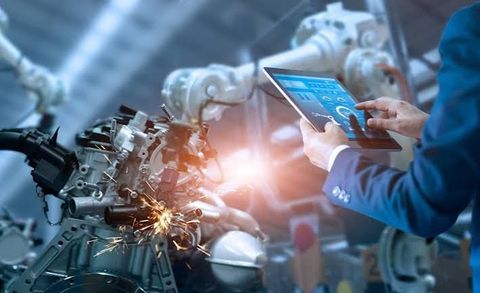
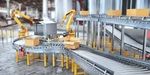
Many industrial fiberglass manufacturing facilities have adopted automated production systems. Automated equipment can assist with material handling, fiber placement, quality monitoring, and process control.
Automation helps manufacturers maintain consistency while improving operational efficiency and reducing material waste.
Advanced Composite Technologies
Fiberglass composite manufacturing has seen advancements in resin systems and reinforcement techniques. New composite formulations aim to improve strength, durability, and resistance to environmental conditions.
Manufacturers are also exploring hybrid composite structures that combine fiberglass with other reinforcement materials for specialized applications.
Sustainability Initiatives
Environmental considerations have become more important throughout the manufacturing sector. Fiberglass manufacturers are increasingly evaluating:
- Energy-efficient production methods.
- Reduced emissions during manufacturing.
- Alternative resin technologies.
- Recycling opportunities for production scrap.
- Sustainable sourcing of raw materials.
Digital Quality Monitoring
Modern production facilities often use digital monitoring systems to track temperature, fiber consistency, resin application, and curing conditions. These systems can provide real-time data that supports quality control and process optimization.
Growth in Infrastructure Applications
Demand continues for fiberglass sheets, pipes, tanks, and structural components used in infrastructure development. This trend has encouraged ongoing investments in production technologies capable of meeting evolving industry requirements.
Laws or Policies
Fiber glass manufacturing is influenced by environmental, workplace safety, and product quality regulations. Requirements vary by country, but several common regulatory areas affect the industry.
Environmental Regulations
Manufacturing facilities are often subject to regulations related to:
- Air emissions.
- Waste management.
- Water discharge.
- Energy consumption reporting.
- Hazardous material handling.
Environmental agencies typically establish standards that manufacturers must follow during production operations.
Workplace Safety Standards
Because manufacturing processes involve high temperatures, machinery, and chemical materials, workplace safety regulations are an important part of fiberglass production.
These regulations may address:
- Employee protective equipment.
- Ventilation systems.
- Chemical exposure limits.
- Equipment maintenance procedures.
- Emergency response planning.
Product Standards and Certification
Many fiberglass products must meet industry-specific performance standards. Depending on the application, products may undergo testing for:
- Fire resistance.
- Structural strength.
- Thermal performance.
- Chemical resistance.
- Durability.
Organizations such as the International Organization for Standardization and various national standards agencies publish guidelines that manufacturers may follow when producing fiberglass materials.
Building and Infrastructure Codes
Construction-related fiberglass products often need to comply with building codes and engineering requirements. These regulations help ensure materials perform as intended in residential, commercial, and industrial settings.
Tools and Resources
Several tools and resources help professionals, researchers, and students understand fiber glass manufacturing and related applications.
Engineering and Design Software
Computer-aided design tools support product development and manufacturing planning. Common examples include:
- AutoCAD
- SolidWorks
- CATIA
These platforms assist with modeling fiberglass components before production begins.
Material Property Databases
Engineers often use material databases to review:
- Mechanical strength data.
- Thermal characteristics.
- Chemical resistance information.
- Composite performance specifications.
These resources help guide material selection decisions.
Industry Organizations
Several organizations publish educational resources, technical documents, and standards related to composite materials and fiberglass manufacturing.
Examples include:
- American Composites Manufacturers Association
- European Composites Industry Association
- ASTM International
Quality Testing Equipment
Manufacturers commonly use testing equipment for:
- Tensile strength measurement.
- Impact resistance testing.
- Thermal analysis.
- Dimensional inspection.
- Non-destructive evaluation.
These tools help verify product performance and compliance with applicable standards.
FAQs
What is fiber glass manufacturing?
Fiber glass manufacturing is the process of producing glass fibers and combining them with resins or other materials to create durable composite products used in construction, transportation, infrastructure, and industrial applications.
How do fiberglass manufacturers produce fiberglass products?
Fiberglass manufacturers typically melt raw glass materials, form them into fine fibers, apply protective coatings, and combine them with resin systems through molding or composite fabrication processes to create finished products.
What is fiberglass composite manufacturing?
Fiberglass composite manufacturing involves combining glass fibers with polymer resins to create materials that provide strength, durability, and resistance to corrosion while remaining relatively lightweight.
What products are made by fiberglass pipe manufacturers and fiberglass tank manufacturers?
Fiberglass pipe manufacturers produce piping systems used for water, industrial processing, and infrastructure applications. Fiberglass tank manufacturers create storage tanks used for water, wastewater, chemicals, and industrial liquids.
What is custom fiberglass manufacturing?
Custom fiberglass manufacturing refers to the production of fiberglass components designed for specific dimensions, shapes, performance requirements, or industrial applications that differ from standard products.
Conclusion
Fiber glass manufacturing is a specialized industrial process that transforms raw glass materials into versatile composite products used across many sectors. Advances in automation, quality monitoring, and composite technology continue to shape modern production methods. Fiberglass products support construction, transportation, infrastructure, and energy applications due to their durability and adaptability. Regulatory requirements, testing standards, and engineering tools play important roles in maintaining product quality and safety throughout the manufacturing process.