Hotel Management Guide: Operations, Trends and Insights
Hotel management refers to the planning, coordination, and supervision of activities that help a hotel operate efficiently. It involves managing guest accommodations, housekeeping, food operations, maintenance, administration, marketing strategies, revenue planning, and customer experience.
The hospitality industry has existed for centuries. Travelers have always needed places to stay, eat, and rest during journeys. Over time, lodging facilities evolved from simple inns into modern hotels offering a wide range of amenities and experiences. As hotels became larger and more complex, professional management practices emerged to ensure smooth operations.
Hotel management exists to balance guest satisfaction with operational efficiency. Every department within a hotel contributes to creating a comfortable and safe environment for visitors. From the moment a guest makes a reservation until checkout, numerous processes work together behind the scenes.
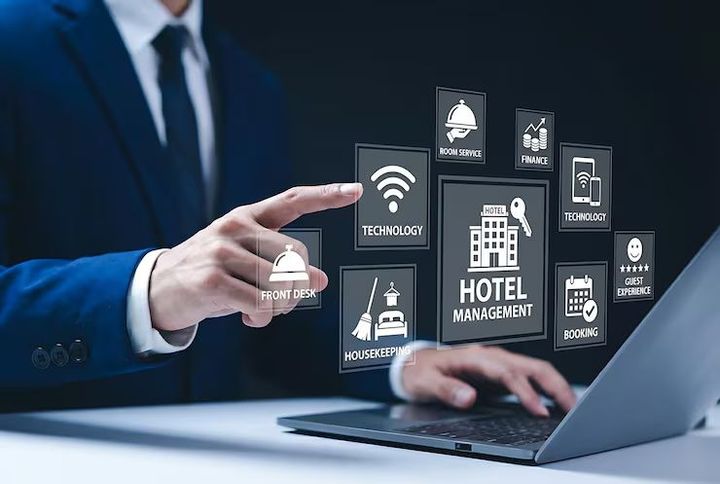
Today, hotel management covers multiple areas, including:
- Front office operations
- Housekeeping management
- Food and beverage coordination
- Financial planning
- Revenue management
- Human resource administration
- Guest relationship management
- Facility maintenance
- Safety and security oversight
The goal is to create a positive guest experience while maintaining organized and sustainable operations.
Core Functions of Hotel Management
| Function | Purpose |
|---|---|
| Front Office | Handles reservations, check-ins, and guest communication |
| Housekeeping | Maintains cleanliness and room readiness |
| Food Operations | Coordinates dining and catering activities |
| Finance | Tracks budgets, expenses, and financial performance |
| Marketing | Promotes visibility and guest engagement |
| Maintenance | Ensures facilities remain functional and safe |
| Security | Protects guests, staff, and property |
Why Hotel Management Matters Today
Hotel management plays an important role in the global hospitality and tourism ecosystem. As travel continues to connect people, businesses, and cultures, hotels serve as essential infrastructure supporting these activities.
The importance of hotel management extends beyond accommodation services. Effective management helps ensure safety, hygiene, operational consistency, and guest satisfaction.
Several groups are influenced by hotel management practices:
- Travelers seeking reliable accommodations
- Business professionals attending conferences
- Tourism organizations
- Educational institutions
- Event organizers
- Hospitality professionals
- Local communities
Well-managed hotels address various operational challenges, such as:
- Maintaining service quality
- Managing seasonal demand fluctuations
- Coordinating large teams
- Ensuring health and safety compliance
- Reducing operational inefficiencies
- Handling guest feedback effectively
The growing use of digital technology has also increased expectations for convenience and personalization. Guests often expect mobile booking options, digital communication, and streamlined check-in experiences.
Major Benefits of Effective Hotel Management
| Area | Impact |
| Guest Experience | Improved satisfaction and comfort |
| Operations | Better coordination across departments |
| Safety | Stronger compliance and risk management |
| Efficiency | Reduced operational delays |
| Sustainability | Improved resource utilization |
| Reputation | Consistent service standards |
The following chart illustrates common priorities in modern hotel operations:
| Operational Priority | Relative Importance |
| Guest Satisfaction | ★★★★★ |
| Cleanliness | ★★★★★ |
| Safety & Security | ★★★★★ |
| Technology Adoption | ★★★★☆ |
| Sustainability | ★★★★☆ |
| Staff Development | ★★★★☆ |
Recent Updates and Industry Trends
The hotel industry has experienced significant changes during the past year. Several trends have continued to shape management practices and guest expectations throughout 2025 and early 2026.
Increased Adoption of Artificial Intelligence
Many hospitality organizations have expanded the use of artificial intelligence for operational planning, guest communication, and demand forecasting. AI-powered systems are helping managers analyze booking patterns and optimize room availability.
Growth of Contactless Technology
Throughout 2025, contactless check-in and digital guest services became more common. Mobile-based interactions continue to improve convenience while reducing administrative workloads.
Sustainability Initiatives
Environmental sustainability remains a major focus across the hospitality sector. Many hotels have introduced measures such as:
- Energy-efficient lighting
- Water conservation programs
- Waste reduction initiatives
- Sustainable sourcing practices
- Environmental reporting systems
Data Security and Privacy Focus
As hotels increasingly rely on digital systems, protecting guest information has become a higher priority. Managers are investing in cybersecurity practices and data protection procedures.
Personalized Guest Experiences
Guest expectations continue to evolve. Hotels are using analytics and customer insights to provide more personalized experiences, recommendations, and communication.
Workforce Development Trends
Throughout 2025 and 2026, hospitality organizations have placed greater emphasis on staff training programs, leadership development, and digital skills education to support changing operational requirements.
Laws and Policies Affecting Hotel Management
Hotel management operates within a framework of regulations designed to protect guests, employees, and communities. These regulations vary by country and region but generally cover similar areas.
Health and Safety Regulations
Hotels must comply with standards related to:
- Fire safety
- Emergency preparedness
- Building maintenance
- Food hygiene
- Public health requirements
- Accessibility measures
Regular inspections and compliance monitoring help ensure safe environments for guests and staff.
Data Protection Requirements
Many countries have introduced privacy regulations governing the collection, storage, and processing of personal information. Hotels must manage guest data responsibly and securely.
Environmental Regulations
Environmental policies increasingly influence hospitality operations. These may include guidelines related to:
- Energy efficiency
- Waste management
- Water usage
- Environmental reporting
- Sustainable building practices
Employment and Labor Frameworks
Hotels must follow labor regulations concerning:
- Working conditions
- Employee rights
- Workplace safety
- Compensation standards
- Training requirements
Tourism and Licensing Requirements
Many jurisdictions require hotels to obtain licenses, permits, and certifications before operating. These frameworks help maintain industry standards and consumer protection.
For hotel managers, understanding applicable regulations is essential for maintaining compliance and supporting responsible operations.
Helpful Tools and Resources for Hotel Management
A variety of tools and educational resources can help individuals understand hotel management concepts and operational practices.
Property Management Systems
Property management systems help organize reservations, guest records, room assignments, and operational workflows.
Revenue Planning Calculators
Revenue analysis tools support occupancy forecasting, performance tracking, and budgeting activities.
Scheduling Templates
Staff scheduling templates help coordinate workforce planning across departments.
Hospitality Learning Platforms
Online educational resources provide information on:
- Guest relations
- Hospitality operations
- Leadership development
- Communication skills
- Industry best practices
Financial Management Tools
Budgeting and financial planning resources assist with:
- Expense tracking
- Revenue analysis
- Forecasting
- Reporting
Customer Feedback Platforms
Feedback collection tools help managers identify strengths and opportunities for improvement based on guest experiences.
Operational Checklists
Common checklist resources include:
- Housekeeping inspections
- Safety reviews
- Maintenance schedules
- Guest service procedures
- Emergency preparedness plans
These resources support consistency and operational organization across hotel departments.
Frequently Asked Questions About Hotel Management
What is the primary role of hotel management?
The primary role of hotel management is to oversee daily operations while ensuring guest satisfaction, safety, and efficient use of resources across all departments.
Which departments are commonly managed within a hotel?
Hotel management typically oversees front office operations, housekeeping, food operations, maintenance, finance, marketing, security, and guest relations.
Why is technology important in hotel management?
Technology improves efficiency, supports guest communication, streamlines reservations, assists with planning, and provides valuable operational insights.
How does hotel management contribute to guest satisfaction?
Effective management coordinates services, maintains quality standards, resolves issues promptly, and ensures a comfortable environment for guests throughout their stay.
What are the biggest challenges facing hotel managers today?
Common challenges include changing guest expectations, technology adoption, sustainability requirements, data security concerns, workforce development, and regulatory compliance.
Conclusion
Hotel management is a dynamic field that combines operational coordination, guest experience management, financial planning, safety oversight, and strategic decision-making. As hospitality continues to evolve, managers must balance traditional service principles with modern technology, sustainability goals, and regulatory requirements.