Industrial Automation Engineering Tools: Explore Modern Technologies for Smarter Operations
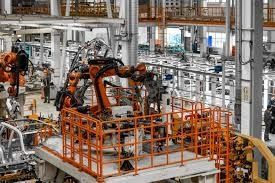
Industrial automation engineering tools are technologies used to help machines, equipment, and industrial processes operate with minimal manual intervention.
These tools have become an important part of manufacturing, energy production, transportation, water treatment, food processing, and many other industries. Their primary purpose is to improve consistency, efficiency, safety, and visibility across industrial operations.
The development of automation can be traced back to simple mechanical control systems used during the Industrial Revolution. Over time, advances in electronics, computing, communication networks, and software transformed these systems into highly connected digital environments. Today, industrial automation engineering tools include PLC programming tools, SCADA engineering software, industrial control system tools, industrial engineering software, industrial IoT platforms, and industrial monitoring systems.
Modern automation environments combine hardware and software to collect data, monitor equipment, control processes, and support operational decision-making. Instead of relying entirely on manual inspections or physical controls, organizations can use digital systems to oversee complex industrial activities from centralized locations.
As industries continue to adopt digital technologies, automation has expanded beyond basic machine control. Current systems often integrate predictive maintenance software, industrial network management tools, and process automation tools to support more informed and efficient operations.
Importance
Supporting Operational Efficiency
Industrial automation engineering tools help organizations manage repetitive and complex tasks more consistently. Automated systems can perform actions based on predefined rules, reducing the need for constant human intervention.
Examples include:
- Monitoring production equipment
- Regulating temperature and pressure
- Controlling conveyor systems
- Managing energy consumption
- Tracking production performance
These capabilities help maintain stable operations across large industrial facilities.
Improving Workplace Safety
Many industrial environments involve potentially hazardous conditions. Automation systems can reduce direct exposure to dangerous equipment, chemicals, high temperatures, or high-voltage systems.
Industrial control system tools can automatically shut down equipment when abnormal conditions occur. Industrial monitoring systems can also provide alerts when measurements exceed safe operating limits.
Enhancing Data Visibility
Modern facilities generate large amounts of operational data. Industrial engineering software helps organize this information into dashboards, reports, and performance indicators.
This visibility allows operators, engineers, and managers to better understand:
- Equipment performance
- Production trends
- Energy usage patterns
- Maintenance requirements
- Process efficiency
Supporting Predictive Maintenance
Traditional maintenance often follows fixed schedules or occurs after equipment failure. Predictive maintenance software uses sensor data and analytics to identify signs of potential equipment problems before breakdowns occur.
This approach can help organizations plan maintenance activities more effectively while reducing unexpected interruptions.
Connecting Industrial Systems
Industrial IoT platforms allow machines, sensors, and software systems to communicate through connected networks. These platforms support data sharing across multiple locations and operational environments.
As industries become more digitally connected, industrial network management tools help maintain communication between devices while monitoring network performance and reliability.
Recent Updates
Expansion of Industrial IoT Adoption
Recent years have seen continued growth in industrial IoT platforms across multiple sectors. More organizations are connecting sensors and equipment to centralized systems for real-time monitoring and analysis.
Connected devices can provide continuous operational data, enabling faster responses to changing conditions and equipment issues.
Increased Use of Artificial Intelligence
Artificial intelligence and machine learning technologies are becoming more common within industrial engineering software. These technologies can analyze large datasets and identify patterns that may not be immediately visible to human operators.
Common applications include:
- Equipment condition analysis
- Production forecasting
- Quality monitoring
- Energy optimization
- Predictive maintenance
Growth of Cloud-Based Platforms
Many industrial organizations are expanding the use of cloud-connected automation systems. Cloud technologies allow operational data to be accessed from multiple locations while supporting centralized reporting and analytics.
Cloud integration has become increasingly common within SCADA engineering software and industrial monitoring systems.
Greater Focus on Cybersecurity
As industrial networks become more connected, cybersecurity has become a significant priority. Organizations are investing in industrial control system tools that include stronger security features such as network segmentation, authentication controls, and encrypted communications.
Industrial network management tools are also being used to identify unusual network activity and support secure operations.
Digital Twin Technology
Digital twins are virtual representations of physical assets or processes. These models allow engineers to simulate performance, evaluate potential changes, and monitor equipment behavior using real-world data.
Digital twin technology is increasingly being integrated with process automation tools and industrial IoT platforms to support planning and operational analysis.
Typical Automation Tool Categories
| Tool Category | Primary Function | Common Application |
|---|---|---|
| PLC Programming Tools | Machine control logic development | Manufacturing equipment |
| SCADA Engineering Software | Monitoring and supervisory control | Utilities and production facilities |
| Industrial IoT Platforms | Device connectivity and data collection | Smart factories |
| Predictive Maintenance Software | Equipment health analysis | Maintenance planning |
| Industrial Monitoring Systems | Real-time condition monitoring | Process industries |
| Industrial Network Management Tools | Network visibility and diagnostics | Industrial communications |
| Process Automation Tools | Automated process control | Chemical and energy sectors |
| Industrial Engineering Software | Design and operational analysis | Engineering projects |
Laws or Policies
Workplace Safety Regulations
Industrial automation systems are often influenced by workplace safety requirements established by national and regional authorities. These regulations generally focus on reducing operational risks and protecting workers from hazardous equipment.
Safety-related automation controls may include emergency shutdown systems, safety interlocks, alarms, and monitoring mechanisms.
Cybersecurity Frameworks
Many governments and regulatory organizations have introduced cybersecurity guidelines that affect industrial operations. These frameworks encourage organizations to protect connected industrial systems from unauthorized access and digital threats.
Industrial control system tools frequently incorporate security measures designed to align with these requirements.
Data Protection Requirements
As industrial IoT platforms collect operational information, organizations may need to comply with data protection and privacy regulations. These requirements can influence how information is collected, stored, shared, and managed.
Compliance expectations vary by country and industry sector.
Environmental and Energy Policies
Industrial automation technologies can support environmental compliance by monitoring emissions, energy consumption, and resource usage. Process automation tools are often used to help maintain operational parameters within regulatory limits.
Many industrial sectors use automation systems to document performance and support reporting obligations.
Industry Standards
Several internationally recognized standards influence automation system design and implementation. Examples include standards related to functional safety, industrial communications, cybersecurity, and control system architecture.
These standards help create consistency and interoperability across industrial environments.
Tools and Resources
PLC Programming Tools
PLC programming tools are used to create, modify, test, and troubleshoot control logic within programmable logic controllers. These applications allow engineers to define how machines respond to inputs, sensors, and operational conditions.
Common capabilities include:
- Logic development
- Simulation testing
- Diagnostic monitoring
- Configuration management
SCADA Engineering Software
SCADA engineering software provides supervisory monitoring and control functions. Operators can view equipment status, process measurements, alarms, and historical trends through centralized interfaces.
Typical features include:
- Real-time visualization
- Alarm management
- Historical data collection
- Reporting tools
Industrial IoT Platforms
Industrial IoT platforms connect sensors, machines, and operational systems. These platforms support data collection, analysis, and integration across multiple facilities and equipment types.
Many platforms include:
- Device connectivity
- Data analytics
- Dashboard creation
- Remote monitoring
Predictive Maintenance Software
Predictive maintenance software analyzes operational data to identify potential equipment issues. Information from sensors can be used to evaluate vibration, temperature, pressure, and other indicators of equipment health.
Key functions often include:
- Condition monitoring
- Failure prediction
- Maintenance scheduling
- Performance analysis
Industrial Monitoring Systems
Industrial monitoring systems provide continuous visibility into operational conditions. These systems collect data from sensors and equipment while generating alerts when conditions fall outside expected ranges.
Applications include:
- Environmental monitoring
- Equipment monitoring
- Energy management
- Process tracking
Industrial Network Management Tools
Industrial network management tools help organizations monitor communication networks that connect automation devices.
Common capabilities include:
- Network diagnostics
- Traffic analysis
- Device discovery
- Performance monitoring
Process Automation Tools
Process automation tools support the automatic control of industrial processes. They help maintain stable operating conditions while reducing manual adjustments.
These tools are frequently used in:
- Chemical processing
- Water treatment
- Energy production
- Food manufacturing
FAQs
What are industrial automation engineering tools?
Industrial automation engineering tools are hardware and software technologies used to monitor, control, and optimize industrial equipment and processes. They include PLC programming tools, SCADA engineering software, industrial monitoring systems, and industrial IoT platforms.
How do PLC programming tools work?
PLC programming tools allow engineers to create instructions that control industrial machines and equipment. The software defines how devices respond to sensor inputs, operating conditions, and user commands.
What is SCADA engineering software used for?
SCADA engineering software is used for supervisory monitoring and control. It helps operators observe equipment status, receive alarms, analyze operational data, and manage industrial processes from centralized systems.
Why are industrial IoT platforms important?
Industrial IoT platforms connect equipment, sensors, and software applications through digital networks. They enable real-time data collection, monitoring, and analysis, helping organizations gain better visibility into operations.
What is the role of predictive maintenance software?
Predictive maintenance software analyzes equipment data to identify patterns that may indicate future failures. This information helps maintenance teams plan inspections and repairs based on equipment condition rather than fixed schedules.
Conclusion
Industrial automation engineering tools play an important role in modern industrial operations by supporting monitoring, control, connectivity, and data analysis. Technologies such as PLC programming tools, SCADA engineering software, industrial IoT platforms, and predictive maintenance software help organizations manage increasingly complex systems. Recent developments have expanded the use of cloud connectivity, artificial intelligence, and digital twins within automation environments. At the same time, cybersecurity, safety requirements, and industry standards continue to shape how automation technologies are implemented and maintained.