Industrial Engineering Systems Guide: Learn Key Methods for Process Improvement
Industrial engineering systems are structured approaches used to improve how organizations design, manage, and optimize production and operational processes.
The field combines engineering principles, mathematics, data analysis, and management techniques to create efficient workflows across manufacturing, energy, transportation, healthcare, and other industries.
The origins of industrial engineering can be traced to the growth of large-scale manufacturing during the Industrial Revolution. As factories became more complex, organizations needed methods to reduce waste, improve productivity, and maintain consistent quality. Over time, industrial process engineering evolved into a discipline that focuses on analyzing systems rather than individual machines or tasks.
Today, industrial engineering systems often work alongside industrial automation systems, industrial control systems, and digital technologies. These systems help organizations monitor operations, manage resources, and improve decision-making. Industrial engineering consulting professionals and industrial engineering contractors may assist organizations in evaluating processes and implementing improvement strategies.
Modern manufacturing engineering systems also rely on software platforms that collect and analyze operational data. As industries continue to adopt digital technologies, industrial engineering software has become an important part of process management and optimization.
Core Components of Industrial Engineering Systems
Several elements commonly make up industrial engineering systems:
- Process design and workflow analysis
- Production planning and scheduling
- Quality management
- Supply chain coordination
- Data collection and performance measurement
- Automation and control technologies
- Resource allocation and capacity planning
Together, these components support the development of efficient industrial production systems.
How Process Improvement Works
Process improvement involves identifying inefficiencies and making changes that improve performance. Common methods include:
- Mapping workflows to understand process steps
- Measuring performance indicators
- Reducing unnecessary activities
- Improving communication between departments
- Applying automation where appropriate
- Monitoring results and making ongoing adjustments
These practices form the foundation of industrial engineering optimization efforts across many industries.
Importance
Industrial engineering systems play an important role in modern economies because they help organizations manage increasingly complex operations. From factories producing consumer goods to energy facilities managing large infrastructure networks, efficient systems contribute to smoother operations and more consistent outcomes.
Supporting Manufacturing Efficiency
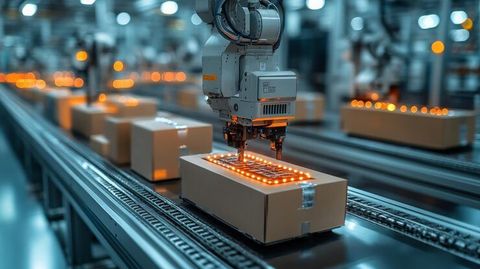
Manufacturing environments often involve multiple interconnected processes. Manufacturing engineering systems help coordinate production schedules, material movement, machine utilization, and quality control activities.
Without structured systems, organizations may experience delays, excessive resource use, or inconsistent production performance. Industrial engineering for factories focuses on creating balanced workflows that support efficient production while maintaining safety and quality standards.
Improving Resource Utilization
Resources such as materials, equipment, energy, and labor are limited. Industrial engineering systems help organizations understand how resources are used and where improvements may be possible.
For example, industrial process engineering techniques can identify bottlenecks that slow production or reveal opportunities to reduce waste. These improvements can contribute to more sustainable operations.
Enhancing Safety and Reliability
Industrial control systems and industrial automation systems help monitor equipment and operational conditions. Automated monitoring can identify unusual performance patterns and support maintenance planning.
By combining engineering analysis with operational data, organizations can improve reliability and reduce the likelihood of unexpected disruptions.
Applications Across Industries
Industrial engineering systems are used in many sectors, including:
| Industry | Common Applications |
|---|---|
| Manufacturing | Production planning, quality management, workflow optimization |
| Oil and Gas | Process monitoring, equipment management, operational efficiency |
| Healthcare | Resource scheduling, patient flow analysis |
| Transportation | Logistics planning, network optimization |
| Food Processing | Production control, quality assurance |
| Warehousing | Inventory management, material handling optimization |
Industrial engineering for oil and gas operations often focuses on process efficiency, asset management, and safety monitoring in complex environments.
Recent Updates
Recent developments between 2024 and 2026 have continued to shape industrial engineering systems through increased digital integration and advanced data analysis capabilities.
Growth of Smart Manufacturing Systems
Smart manufacturing systems are becoming more common as organizations connect equipment, sensors, and software platforms. These systems collect operational information in real time and support faster decision-making.
Smart manufacturing systems often combine:
- Internet-connected sensors
- Automated production equipment
- Data analytics platforms
- Digital monitoring tools
- Predictive maintenance technologies
The goal is to improve visibility into production processes and support informed operational decisions.
Expansion of Industrial Engineering Software
Industrial engineering software has evolved to provide more advanced modeling and simulation capabilities. Organizations can now test process changes in digital environments before implementing them in real operations.
These software tools may help users:
- Simulate production scenarios
- Analyze workflow efficiency
- Monitor performance indicators
- Forecast resource requirements
- Evaluate system capacity
Increased Use of Artificial Intelligence
Artificial intelligence is being incorporated into some industrial automation systems and industrial control systems. AI-based tools can analyze large amounts of operational data and identify patterns that may not be immediately visible through manual analysis.
Applications include:
- Predictive maintenance
- Production forecasting
- Quality inspection support
- Supply chain analysis
- Energy management
Greater Focus on Sustainability
Organizations are increasingly examining how industrial production systems affect energy consumption and resource usage. Industrial engineering optimization initiatives often include environmental considerations alongside productivity goals.
Process improvements may focus on reducing material waste, improving energy efficiency, and supporting long-term operational sustainability.
Laws or Policies
Industrial engineering systems operate within regulatory frameworks that vary by country and industry. Government regulations often influence how organizations design, monitor, and improve operational processes.
Workplace Safety Regulations
Many countries maintain workplace safety standards that affect industrial operations. These regulations may cover:
- Equipment safety requirements
- Hazard management procedures
- Worker protection measures
- Emergency response planning
- Maintenance practices
Industrial engineering systems often incorporate safety considerations into process design and operational planning.
Environmental Regulations
Environmental policies can influence industrial process engineering decisions. Organizations may need to monitor emissions, manage waste streams, and track resource consumption.
Industrial engineering optimization projects frequently include assessments of environmental performance to support regulatory compliance.
Data and Cybersecurity Requirements
As industrial automation systems and industrial control systems become increasingly connected, cybersecurity considerations have gained importance. Regulations and industry guidelines may require organizations to implement security measures that protect operational technology and sensitive information.
Industry-Specific Standards
Certain sectors maintain specialized requirements. For example, industrial engineering for oil and gas operations may be influenced by safety standards, environmental rules, and infrastructure regulations specific to energy production and transportation.
Organizations often use recognized standards and management frameworks to guide process improvement efforts and operational oversight.
Tools and Resources
Various tools and resources support industrial engineering systems and process improvement activities.
Process Mapping Tools
Process mapping platforms help users visualize workflows and identify inefficiencies. Common capabilities include:
- Workflow diagrams
- Process documentation
- Bottleneck identification
- Collaboration features
Simulation and Modeling Software
Industrial engineering software often includes simulation functions that allow organizations to evaluate process changes before implementation.
Examples of modeling activities include:
- Production line simulations
- Capacity analysis
- Resource allocation studies
- Queue and flow modeling
Data Analytics Platforms
Analytics platforms support industrial engineering optimization by collecting and analyzing operational information. These tools help organizations measure performance and track process improvements over time.
Manufacturing Execution Systems
Manufacturing engineering systems frequently include manufacturing execution platforms that connect planning activities with production operations.
Functions may include:
- Production tracking
- Quality monitoring
- Inventory visibility
- Performance reporting
Professional Organizations and Educational Resources
Several organizations publish educational materials, standards, and research related to industrial engineering systems. Universities, research institutions, and industry associations also provide resources covering industrial process engineering, manufacturing engineering systems, and industrial automation systems.
FAQs
What are industrial engineering systems?
Industrial engineering systems are structured methods used to improve production, operations, and resource management. They combine engineering principles, data analysis, and process improvement techniques to support efficient workflows.
How do industrial automation systems relate to industrial engineering systems?
Industrial automation systems automate specific operational tasks through equipment, sensors, and control technologies. Industrial engineering systems provide the broader framework for designing, analyzing, and improving overall processes.
What is industrial process engineering?
Industrial process engineering focuses on designing, evaluating, and improving industrial processes. It aims to increase efficiency, reduce waste, and support consistent operational performance.
What industries use manufacturing engineering systems?
Manufacturing engineering systems are used in industries such as automotive production, electronics manufacturing, food processing, pharmaceuticals, aerospace, and consumer goods production.
Why is industrial engineering for oil and gas important?
Industrial engineering for oil and gas supports process efficiency, operational reliability, resource management, and safety planning. These activities help organizations manage complex industrial environments and large-scale infrastructure systems.
Conclusion
Industrial engineering systems provide structured approaches for improving processes, managing resources, and supporting operational efficiency across many industries. Modern industrial production systems increasingly combine engineering methods with digital technologies, automation, and data analysis. Smart manufacturing systems, industrial control systems, and industrial engineering software continue to influence how organizations monitor and optimize operations. As industries evolve, process improvement remains an important part of maintaining reliable, safe, and efficient systems.