Industrial Holding Furnace: Overview of Working Principles and Industrial Uses
Industrial heating plays an important role in manufacturing by preparing, melting, and maintaining metals at controlled temperatures.
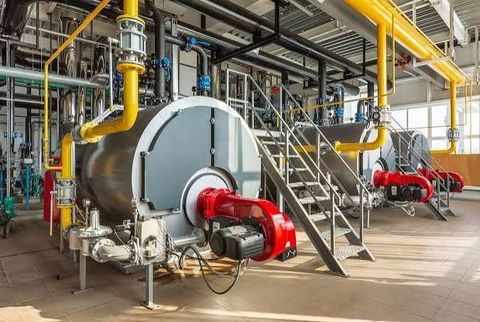
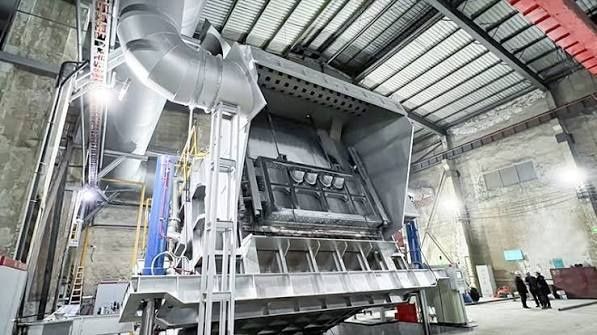
An industrial holding furnace is designed to keep molten metal at a stable temperature until it is ready for the next production stage. Unlike an industrial melting furnace, which focuses on melting solid metal, a holding furnace maintains the material in a usable molten state while reducing unnecessary temperature changes.
Context
Understanding Industrial Holding Furnaces
An industrial holding furnace is widely used in metal processing industries, especially where molten metals must remain ready for casting or forming. It supports continuous production by preventing metal from cooling before it reaches molds or manufacturing equipment.
Different furnace types are used depending on the material and production method. For example, an aluminum holding furnace is commonly found in aluminum processing plants, while a foundry holding furnace is used for iron, steel, and non-ferrous metal casting. In some facilities, an induction holding furnace combines electrical induction technology with temperature control for improved heating efficiency.
Industrial furnaces are also part of broader thermal systems that include a metal melting furnace, billet reheating furnace, furnace for aluminum casting, and industrial heat treatment furnace. Together, these systems support industrial thermal processing across many manufacturing sectors.
Importance
Why Holding Furnaces Matter
Modern manufacturing depends on stable production processes. A holding furnace helps maintain consistent molten metal quality by reducing temperature fluctuations between melting and casting operations.
Industries that commonly use these furnaces include:
- Automotive component manufacturing
- Construction material production
- Aerospace manufacturing
- Metal casting facilities
- Machinery production
- Consumer product manufacturing
Maintaining proper temperature can reduce metal waste, improve casting consistency, and support smoother production scheduling. This is especially important for aluminum processing because temperature variations can influence the quality of finished components.
Common Furnace Types
| Furnace Type | Primary Purpose | Typical Application |
|---|---|---|
| Industrial holding furnace | Maintains molten metal temperature | Continuous casting |
| Industrial melting furnace | Melts solid metal | Initial melting process |
| Aluminum holding furnace | Holds molten aluminum | Aluminum casting |
| Induction holding furnace | Uses electromagnetic heating | Precision temperature control |
| Billet reheating furnace | Reheats metal billets | Rolling and forging |
| Industrial heat treatment furnace | Changes metal properties through heating cycles | Heat treatment equipment |
Recent Updates
Current Industry Trends
Recent developments in furnace technology mainly focus on improving efficiency, automation, and environmental performance. Many manufacturers are integrating digital monitoring systems that continuously track furnace temperature, energy use, and operating conditions.
Industrial furnace automation has become increasingly common. Automated control systems can adjust heating conditions based on production requirements, helping maintain stable operating temperatures while reducing manual intervention.
Another noticeable trend is the growing use of data collection and remote monitoring. These technologies allow production teams to observe furnace performance and identify maintenance needs before unexpected interruptions occur.
Industrial furnace manufacturers are also developing equipment designed to improve energy efficiency and support lower emissions. Many newer furnace designs include enhanced insulation materials and advanced combustion or electrical heating controls.
Laws or Policies
Regulations That Influence Furnace Operation
Industrial furnaces are generally operated under workplace safety, environmental, and energy efficiency regulations. The exact requirements depend on the country where the equipment is installed.
Common regulatory areas include:
- Workplace safety standards for high-temperature equipment
- Air emission regulations for combustion-based furnaces
- Energy efficiency programs encouraging reduced energy consumption
- Environmental rules related to industrial manufacturing
- Equipment inspection and maintenance requirements
Facilities operating an industrial holding furnace or industrial heat treatment furnace usually follow documented operating procedures to support safe working conditions and regulatory compliance.
Tools and Resources
Helpful Information Sources
Several digital tools and technical resources help engineers, plant operators, and students understand furnace operation.
Useful resources include:
- Energy consumption calculators for industrial heating systems
- Temperature conversion calculators
- Engineering standards published by national and international organizations
- Technical documentation provided by industrial furnace manufacturers
- Industrial furnace consulting resources explaining furnace selection and process planning
- Maintenance checklists for industrial thermal processing equipment
- Process simulation software used for furnace performance analysis
These resources support learning about furnace operation, maintenance planning, and production efficiency without replacing site-specific technical guidance.
FAQs
What is an industrial holding furnace?
An industrial holding furnace keeps molten metal at a controlled temperature after melting. It prepares the material for later production stages such as casting or molding without allowing it to solidify.
How is a holding furnace different from an industrial melting furnace?
An industrial melting furnace melts solid metal into liquid form, while a holding furnace maintains that molten metal until it is needed. Many production facilities use both furnace types together.
Where is an aluminum holding furnace commonly used?
An aluminum holding furnace is widely used in facilities that produce aluminum castings for transportation, construction, machinery, and consumer products. It helps maintain stable metal temperature before casting.
What is an induction holding furnace?
An induction holding furnace uses electromagnetic induction to generate heat. This method allows accurate temperature control and is commonly used where consistent molten metal conditions are important.
How does industrial furnace automation improve operations?
Industrial furnace automation uses sensors, digital controllers, and monitoring systems to regulate temperature and operating conditions. Automation can improve process consistency, support energy management, and simplify production monitoring.
Conclusion
An industrial holding furnace plays an important role in modern metal manufacturing by maintaining molten metal at controlled temperatures until production continues. It works alongside equipment such as an industrial melting furnace, billet reheating furnace, and industrial heat treatment furnace to support efficient industrial thermal processing. Advances in automation, monitoring, and energy management continue to shape furnace technology across many industries. Understanding how these systems operate provides useful background for anyone interested in industrial manufacturing and metal processing.