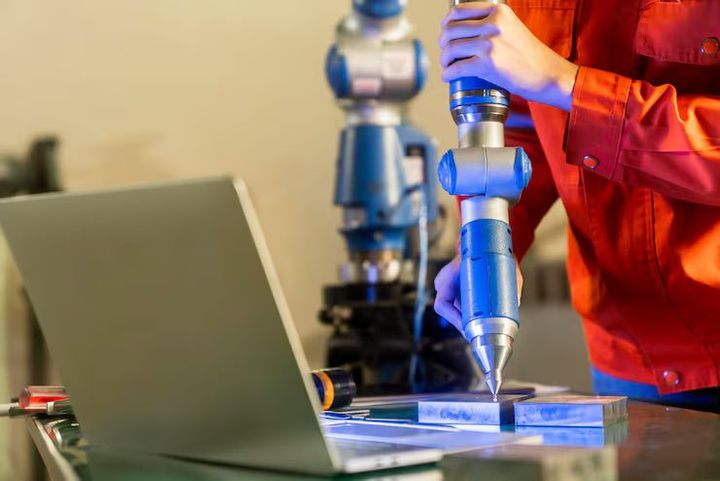
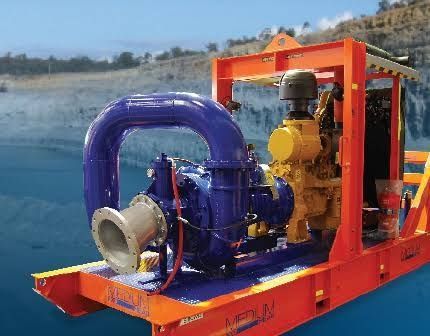
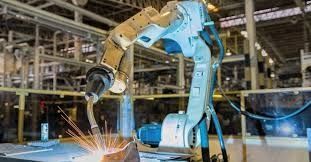
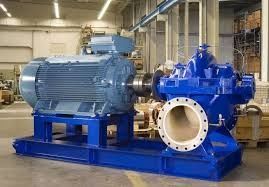
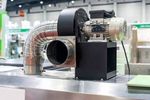
Modern industrial machinery includes automated assembly systems, robotic manufacturing equipment, CNC machining centers, smart sensors, and AI-driven inspection tools. These technologies improve productivity, accuracy, and efficiency in large-scale production environments.
Historically, industrial machinery began evolving during the Industrial Revolution, when mechanical systems replaced manual labor. Today, it has expanded into advanced automation, robotics, and digital manufacturing technologies.
Manufacturing facilities rely on advanced machines for several critical operations:
-
Precision machining and metal processing
-
Electronic component assembly
-
Automated packaging and material handling
-
Industrial robotics operations
-
High-speed production monitoring
Modern development focuses on combining hardware with intelligent software systems. This enables predictive maintenance, real-time monitoring, and data-driven production optimization.
Key Types of Industrial Machinery
Below is an overview of commonly used industrial machines:
| Machinery Type | Main Application | Key Technology |
|---|
| CNC Machines | Precision cutting and shaping | Computer numerical control |
| Industrial Robots | Automated assembly | Robotics engineering |
| Injection Molding Machines | Plastic manufacturing | Thermoplastic processing |
| Laser Cutting Machines | High-precision cutting | Laser engineering |
| Industrial Automation Systems | Production control | Smart manufacturing systems |
Industrial machinery continues evolving to deliver safer, faster, and energy-efficient manufacturing solutions.
Why Industrial Machinery Development Matters Today
Industrial machinery is essential to modern economies because it supports mass production and global supply chains. Nearly every manufactured product depends on machinery during production.
Several factors explain its importance today.
Increasing Manufacturing Demand
Global demand for complex products is rising. Machines must deliver higher precision and faster production cycles to meet these needs.
Growth of Automation
Automation technologies are transforming industrial operations. Machines now handle repetitive and hazardous tasks, improving safety and reducing errors.
Efficiency and Sustainability
Modern machinery helps reduce energy use, minimize waste, and improve product consistency. These improvements are essential for sustainable manufacturing.
Industries that heavily depend on advanced machinery include:
-
Automotive and electric vehicle manufacturing
-
Aerospace engineering
-
Semiconductor production
-
Renewable energy equipment manufacturing
-
Consumer electronics production
Benefits of Industrial Machinery
| Benefit | Impact on Manufacturing |
|---|
| Automation | Reduced manual intervention |
| Precision Engineering | Higher product quality |
| Smart Monitoring | Predictive maintenance |
| Energy Efficiency | Lower resource consumption |
| Scalability | Faster production expansion |
These benefits enhance industrial competitiveness and support global production systems.
Recent Updates in Industrial Machinery Development
Industrial machinery has seen significant advancements in recent years. In 2025, artificial intelligence integration became a major trend, enabling machines to detect performance issues early.
Smart Manufacturing and IIoT
Industrial Internet of Things (IIoT) platforms connect machines and allow remote monitoring. These systems improve efficiency and provide real-time insights into production.
Rise of Collaborative Robots (Cobots)
Cobots are designed to work alongside humans safely. Unlike traditional robots, they do not require isolated workspaces.
Other Key Developments
-
High-speed 5-axis CNC machining
-
Digital twin technology for simulation
-
Additive manufacturing integration
-
Predictive maintenance platforms
Digital twins allow virtual simulation of machines and production lines. This helps engineers test improvements before real-world implementation.
Sustainability is also a major focus, with machines incorporating energy monitoring and efficient cooling systems.
Regulations and Government Policies
Industrial machinery operates under strict regulations to ensure safety and environmental compliance. These frameworks guide design, operation, and performance standards.
Common Standards
-
ISO 9001 for quality management
-
ISO 45001 for workplace safety
-
ISO 14001 for environmental management
-
IEC standards for electrical safety
In the United States, OSHA regulates workplace safety. The European Union enforces the Machinery Directive for equipment compliance. In India, standards are guided by the Bureau of Indian Standards (BIS).
Governments also promote advanced manufacturing through innovation programs. Environmental regulations further ensure responsible machinery operation.
Tools and Resources for Industrial Machinery
Engineers and professionals use various digital tools to design, simulate, and manage machinery. These tools improve accuracy and efficiency in manufacturing processes.
Key Tools
-
CAD software for design
-
CAM software for machining
-
Industrial IoT platforms
-
CNC simulators
-
Robotics simulation software
-
Predictive analytics tools
Tool Categories and Uses
| Tool Category | Purpose |
|---|
| CAD Software | Mechanical design |
| CAM Software | Toolpath generation |
| PLC Tools | Automation control |
| Robotics Simulation | Workflow planning |
| Industrial Analytics | Machine monitoring |
Educational resources such as engineering programs, research journals, and training platforms support knowledge development in this field.
Frequently Asked Questions
What is industrial machinery development?
It involves designing, improving, and integrating machines used in manufacturing processes like machining, assembly, and packaging.
Which industries rely on industrial machinery?
Industries such as automotive, aerospace, electronics, construction equipment, and renewable energy depend heavily on advanced machinery.
What is Industry 4.0?
Industry 4.0 refers to the integration of digital technologies like AI, automation, and IoT into manufacturing systems.
How does automation impact machinery?
Automation improves efficiency, accuracy, and safety by reducing human intervention in repetitive tasks.
What is predictive maintenance?
Predictive maintenance uses data analytics to identify early signs of machine failure and prevent breakdowns.
Industrial Machinery Development Trends
The following table shows how automation adoption impacts production efficiency:
| Year | Automation Adoption | Production Efficiency Index |
|---|
| 2020 | Moderate | 65 |
| 2022 | Growing | 72 |
| 2024 | High | 80 |
| 2025 | Very High | 86 |
The trend indicates that higher automation levels contribute to improved production efficiency.
Conclusion
Industrial machinery development continues to transform global manufacturing. Advanced technologies such as CNC systems, AI-driven automation, and industrial IoT are enabling precise and efficient production.
Recent innovations like digital twins and collaborative robotics are reshaping factory operations. At the same time, regulatory frameworks ensure safety, quality, and environmental responsibility.
Understanding industrial machinery helps businesses and professionals adapt to modern manufacturing trends. As innovation continues, machinery will remain a key driver of industrial growth and productivity.