Industrial Machinery Development: Learn Modern Equipment Advances and Engineering Facts
Industrial machinery development refers to the design, improvement, and implementation of machines used in manufacturing, processing, packaging, construction, and other industrial activities.
These machines help businesses produce goods more efficiently, maintain product quality, and support large-scale production.
The history of industrial machinery development can be traced back to the Industrial Revolution when mechanical systems began replacing manual labor in factories. Over time, advancements in engineering, electronics, and computing transformed simple machines into sophisticated systems capable of performing complex tasks with high precision.
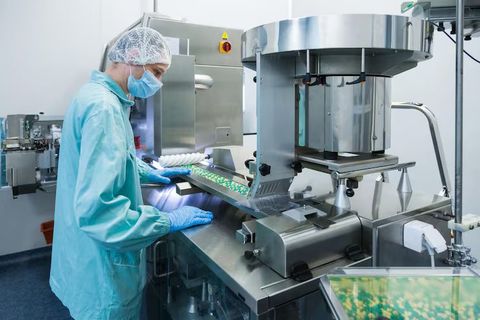
Today, industrial machinery manufacturers develop equipment that combines mechanical engineering, digital controls, sensors, and automation technologies. Modern factories often use custom industrial machinery tailored to specific production needs. These systems are designed to improve consistency, reduce waste, and support changing production requirements.
Industrial equipment development continues to evolve as industries adopt digital technologies and data-driven manufacturing processes. As a result, automated industrial machinery has become a common part of manufacturing environments around the world.
How Industrial Machinery Has Changed
Traditional industrial machines relied heavily on human operators and mechanical controls. Modern machinery increasingly integrates software, sensors, and communication networks.
Key developments include:
- Computer-controlled production systems
- Real-time monitoring and diagnostics
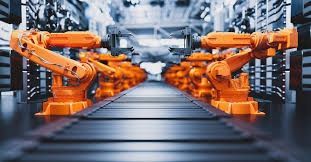
- Robotic material handling
- Advanced machine vision systems
- Data collection for production analysis
These changes have contributed to the growth of smart manufacturing equipment and manufacturing process automation across multiple industries.
Major Types of Industrial Machinery
Industrial machinery can be grouped into several categories:
| Machinery Type | Common Function |
|---|---|
| CNC Machines | Precision cutting, drilling, and shaping |
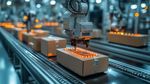
| Robotic Systems | Automated assembly and material handling |
| Packaging Equipment | Product packaging and labeling |
| Conveyor Systems | Movement of materials within facilities |
| Processing Machinery | Manufacturing and product processing |
| Inspection Systems | Quality control and defect detection |
Each category plays a different role in modern industrial operations.
Importance
Industrial machinery affects many aspects of everyday life. Products such as food, electronics, vehicles, medical devices, and household goods are often manufactured using specialized equipment.
Supporting Production Efficiency
Modern machinery allows factories to produce larger quantities of products while maintaining consistent quality. Automated industrial machinery can perform repetitive tasks with greater precision than manual processes in many situations.
This capability helps industries manage increasing production demands while minimizing interruptions and inefficiencies.
Improving Workplace Safety
Many industrial tasks involve heavy materials, high temperatures, or repetitive motions. Industrial automation equipment can reduce direct human exposure to potentially hazardous activities by handling certain tasks through automated systems.
Safety sensors, emergency stop functions, and monitoring technologies are commonly integrated into modern machinery designs.
Enhancing Product Quality
Precision manufacturing requires consistent measurements and accurate processing. CNC machinery development has significantly improved the ability to manufacture components with tight tolerances.
Industries such as aerospace, automotive manufacturing, electronics, and medical equipment rely on precise machinery to meet quality requirements.
Supporting Economic Activity
Industrial machinery manufacturers contribute to manufacturing ecosystems by developing equipment that enables production across many sectors. Investments in factory machinery modernization often help facilities adapt to changing market requirements and technological advancements.
As manufacturing technologies evolve, industrial equipment development remains an important factor in industrial growth and innovation.
Recent Updates
Industrial machinery development has experienced significant changes between 2024 and 2026, largely driven by advances in automation, connectivity, and digital technologies.
Growth of Smart Manufacturing Equipment
Many factories are integrating smart manufacturing equipment capable of collecting and analyzing operational data. Sensors installed throughout production systems can monitor machine performance, temperature, vibration, and production output.
This information helps operators identify maintenance needs and improve production planning.
Increased Use of Artificial Intelligence
Artificial intelligence is increasingly being incorporated into industrial automation equipment. AI-based systems can assist with:
- Predictive maintenance
- Quality inspection
- Production scheduling
- Process optimization
- Equipment monitoring
These technologies help manufacturers better understand operational patterns and improve decision-making.
Expansion of Collaborative Robotics
Collaborative robots, often called cobots, are designed to work alongside human operators. Unlike traditional industrial robots that typically operate in isolated areas, collaborative systems can assist workers with assembly, material handling, and inspection activities.
This trend has contributed to broader adoption of automated industrial machinery in facilities of various sizes.
Advances in CNC Machinery Development
CNC machinery development continues to focus on greater precision, faster processing, and improved software integration.
Recent advancements include:
- Enhanced machine simulation tools
- Multi-axis machining capabilities
- Improved digital programming interfaces
- Automated tool management systems
- Real-time production monitoring
These improvements help manufacturers manage increasingly complex production requirements.
Sustainability and Energy Efficiency
Modern industrial machinery development increasingly considers environmental impact. Equipment designers often focus on reducing energy consumption, minimizing material waste, and improving resource utilization.
Factory machinery modernization projects frequently include energy-efficient motors, optimized control systems, and monitoring technologies that support sustainability objectives.
Laws or Policies
Industrial machinery is subject to various regulations intended to support safety, environmental protection, and operational reliability. Requirements vary by country and industry.
Workplace Safety Regulations
Many countries maintain workplace safety standards that govern machinery design, operation, and maintenance. These regulations may require:
- Safety guards
- Emergency stop systems
- Operator training
- Hazard identification procedures
- Routine equipment inspections
Compliance helps reduce workplace risks associated with industrial equipment.
Environmental Requirements
Environmental regulations often influence industrial equipment development. Manufacturers and facility operators may need to address:
- Energy efficiency standards
- Emissions controls
- Waste management requirements
- Noise reduction measures
- Resource conservation practices
These regulations encourage the adoption of cleaner and more efficient technologies.
Technical Standards
Industrial machinery installation typically follows recognized technical standards that address equipment performance, electrical systems, mechanical safety, and operational reliability.
Organizations that develop standards may provide guidance on machine design, testing, and operational procedures.
Digital Security Considerations
As industrial automation equipment becomes more connected, cybersecurity policies are gaining importance. Connected machinery may require protections against unauthorized access, data breaches, and operational disruptions.
Many organizations are implementing security frameworks to safeguard manufacturing systems and industrial networks.
Tools and Resources
Various tools and resources support industrial machinery development, operation, and maintenance.
Design and Engineering Software
Engineers often use computer-aided design and engineering platforms to create machine components and production systems.
Common functions include:
- 3D modeling
- Mechanical simulation
- Structural analysis
- Motion studies
- Prototype development
CNC Programming Tools
Modern CNC machinery development relies on specialized software for programming and machine control.
These tools help users:
- Create machining paths
- Simulate production processes
- Detect potential errors
- Improve manufacturing accuracy
Industrial Monitoring Platforms
Monitoring systems collect operational information from industrial machinery and equipment.
Typical capabilities include:
- Equipment performance tracking
- Maintenance scheduling
- Production analysis
- Energy consumption monitoring
- Equipment diagnostics
Technical Standards Organizations
Standards organizations publish technical documents that support machinery design and operation. These resources help engineers understand safety requirements, performance criteria, and compliance expectations.
Educational Resources
Universities, technical institutes, engineering associations, and manufacturing organizations provide educational materials related to industrial equipment development, automation technologies, and manufacturing systems.
These resources help professionals and students stay informed about current industry practices.
FAQs
What is industrial machinery development?
Industrial machinery development is the process of designing, improving, testing, and implementing machines used in manufacturing and industrial operations. It combines engineering, automation, software, and mechanical systems to support production activities.
How do industrial machinery manufacturers create custom industrial machinery?
Industrial machinery manufacturers typically analyze production requirements, operational goals, material characteristics, and facility conditions before designing custom industrial machinery that matches specific manufacturing processes.
What is the difference between industrial automation equipment and traditional machinery?
Traditional machinery often requires significant manual operation, while industrial automation equipment uses sensors, controllers, software, and automated systems to perform tasks with reduced human intervention.
Why is factory machinery modernization important?
Factory machinery modernization helps facilities integrate newer technologies, improve equipment reliability, enhance monitoring capabilities, and support evolving production requirements.
How does manufacturing process automation affect production?
Manufacturing process automation can improve consistency, reduce repetitive manual tasks, enhance monitoring capabilities, and support more efficient production workflows through automated systems and digital controls.
Conclusion
Industrial machinery development has evolved from simple mechanical systems into highly sophisticated technologies that combine engineering, automation, and digital intelligence. Modern industrial equipment development supports production efficiency, quality control, workplace safety, and manufacturing innovation. Advances in smart manufacturing equipment, CNC machinery development, and industrial automation equipment continue to shape industrial operations across many sectors. As technology progresses, factory machinery modernization remains an important part of adapting manufacturing systems to changing requirements and technological capabilities.