Industrial Water Pump Guide: Explore Efficient Systems and Equipment Basics
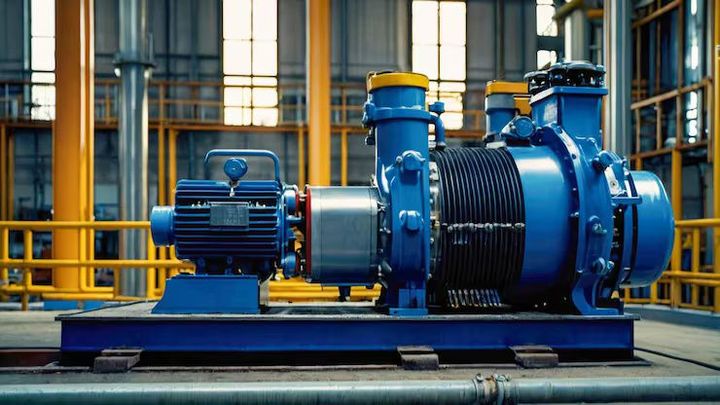
An industrial water pump is a mechanical device used to move water or other fluids from one location to another in large-scale environments.
These pumps are commonly found in agriculture, manufacturing, mining, construction, wastewater treatment, and chemical processing. Industrial water pump systems are designed to handle higher flow rates and tougher operating conditions than household pumps.
The development of industrial pumping equipment began during the expansion of factories and irrigation networks in the nineteenth and twentieth centuries. As industries grew, the need for reliable water movement increased. Today, industrial water pump manufacturers produce a wide range of equipment suited for different environments and fluid types.
Several pump categories are used across industries. Centrifugal industrial water pumps are among the most common because they can move large volumes of liquid continuously. High pressure industrial water pumps are used in environments where fluids must travel long distances or through narrow pipelines. Other designs include submersible pumps, diaphragm pumps, and positive displacement pumps.
Industrial water pumps for irrigation help move water from reservoirs, canals, or underground sources to agricultural land. Industrial water pumps for factories assist with cooling systems, cleaning processes, and water circulation. In construction and mining, pumps remove groundwater and control flooding in excavation areas.
Industrial water pumping systems for wastewater are also important in urban and industrial infrastructure. These systems transport wastewater to treatment facilities while reducing contamination risks.
Importance
Industrial pumping equipment supports many activities that affect daily life. Clean water distribution, food production, manufacturing, and infrastructure projects often depend on industrial water pump systems working efficiently.
Water Supply and Agriculture
Industrial water pumps for agriculture help maintain irrigation networks during dry seasons. Farms use pumping systems to move water across large areas, supporting crop growth and livestock operations. Reliable water movement helps stabilize food production in regions with changing weather conditions.
Manufacturing and Industrial Processes
Industrial water pumps for factories are widely used in cooling machinery, transferring liquids, and processing materials. Many manufacturing facilities require constant water circulation to maintain safe operating temperatures and prevent equipment damage.
In the chemical sector, an industrial water pump for chemical industry applications must handle corrosive or hazardous fluids. Materials such as stainless steel and specialized coatings are commonly used to improve durability.
Mining and Construction Applications
Industrial water pump for mining industry operations are used to remove groundwater and transport slurry or wastewater. Construction projects also depend on pumps to control water accumulation in tunnels, foundations, and excavation sites.
Without effective drainage systems, excess water can delay infrastructure projects and create safety concerns.
Wastewater and Environmental Management
Industrial water pumping systems for wastewater play a major role in sanitation and environmental protection. Municipal facilities and industrial plants use pumps to transport wastewater through treatment stages before release or reuse.
Energy efficient industrial water pumps are increasingly important because pumping operations often consume large amounts of electricity. Improved motor technology and automation systems can help reduce energy use while maintaining operational performance.
Recent Updates
Between 2024 and 2026, several trends have influenced the industrial pumping sector. Many industrial water pump manufacturers have focused on digital monitoring, automation, and energy management.
Growth of Smart Monitoring
Industrial water pump automation systems are becoming more common in factories, wastewater facilities, and irrigation projects. These systems use sensors to monitor pressure, flow rates, and temperature in real time.
Operators can detect leaks, equipment wear, or abnormal conditions earlier than before. Remote monitoring platforms also allow facilities to track pump performance from centralized control rooms.
Focus on Energy Efficiency
Energy efficient industrial water pumps are receiving increased attention because industries are trying to reduce electricity consumption and operating emissions. Variable frequency drives, also called VFDs, are frequently integrated into pump systems to adjust motor speed based on demand.
The table below shows common energy-saving technologies used in modern pumping systems.
| Technology | Main Function | Common Application |
|---|---|---|
| Variable Frequency Drives | Adjust motor speed | Irrigation and factories |
| Smart Sensors | Monitor pressure and flow | Wastewater systems |
| High-Efficiency Motors | Reduce electricity use | Industrial facilities |
| Automated Controls | Optimize operation timing | Construction and mining |
| Predictive Maintenance Software | Detect equipment wear | Chemical and processing plants |
Expansion of Wastewater Infrastructure
Urban population growth has increased pressure on wastewater systems in many countries. Industrial water pumping systems for wastewater are being expanded to support larger treatment facilities and stricter environmental standards.
Many regions are also investing in water recycling projects that reuse treated wastewater for industrial or agricultural activities.
Material and Design Improvements
Recent developments include stronger corrosion-resistant materials for industrial water pump for chemical industry operations. Pump manufacturers are also designing equipment with modular components, making maintenance and part replacement easier.
Compact pump designs are becoming more common in facilities with limited installation space.
Laws or Policies
Industrial water pump systems are often regulated through environmental, industrial safety, and energy efficiency policies. Regulations vary by country, but several common requirements apply across many regions.
Environmental Regulations
Wastewater discharge rules affect industrial water pumping systems for wastewater. Facilities must often meet limits related to pollutants, temperature, and chemical discharge before releasing treated water into rivers or public systems.
Environmental agencies may require monitoring equipment and reporting procedures to track water quality compliance.
Energy Efficiency Standards
Many governments encourage industries to adopt energy efficient industrial water pumps through efficiency guidelines and industrial energy programs. Some regions apply minimum performance standards for electric motors used in pumping equipment.
Energy audits are also becoming more common in large industrial facilities.
Workplace Safety Requirements
Construction sites, mining operations, and factories often follow occupational safety regulations related to industrial water pumps for construction and mining use. Safety standards may include:
- Electrical protection for pump motors
- Emergency shutdown procedures
- Pressure control systems
- Safe handling of hazardous fluids
- Regular inspection schedules
Agricultural Water Policies
Industrial water pumps for irrigation may be affected by water-use permits and groundwater extraction limits. In areas with water shortages, governments sometimes regulate pumping volumes to protect water resources.
Some agricultural programs also encourage efficient irrigation systems that reduce water waste.
Tools and Resources
Various tools and resources help industries manage industrial water pump systems more effectively.
Monitoring and Automation Platforms
Industrial water pump automation systems often include software dashboards that display pump performance, flow rates, and maintenance alerts. These platforms may support remote access for operators managing multiple facilities.
Energy Calculation Tools
Energy calculators help estimate electricity consumption and pump efficiency. Engineers and facility managers use these tools to compare motor performance and evaluate system improvements.
Technical Standards and Guidelines
Organizations such as the International Organization for Standardization and the American National Standards Institute publish standards related to industrial equipment and fluid handling systems.
These documents provide guidance on safety, performance, and testing procedures.
Educational Resources
Technical manuals, engineering handbooks, and wastewater management guides are commonly used for training and planning. Universities and industrial associations also publish research related to pump technology, water management, and energy reduction strategies.
Common Components in Industrial Pump Systems
Industrial water pump distributors and equipment suppliers often provide supporting components such as:
- Pressure gauges
- Valves
- Filtration systems
- Flow meters
- Backup power systems
- Control panels
These components help maintain stable and safe pump operation across different industries.
FAQs
What are centrifugal industrial water pumps used for?
Centrifugal industrial water pumps are commonly used to move large volumes of water in factories, irrigation systems, wastewater facilities, and cooling operations. They use rotating impellers to create fluid movement.
Why are high pressure industrial water pumps important?
High pressure industrial water pumps are used when water must travel long distances, move uphill, or pass through systems requiring strong pressure control. They are common in mining, industrial cleaning, and construction environments.
How do industrial water pump automation systems work?
Industrial water pump automation systems use sensors, controllers, and monitoring software to regulate pump operation automatically. These systems can track pressure, temperature, and flow rates while reducing manual operation requirements.
What industries use industrial water pumps for construction?
Industrial water pumps for construction are used in tunnel projects, road construction, excavation work, and foundation drainage. Pumps help remove groundwater and prevent water accumulation at work sites.
What makes energy efficient industrial water pumps different?
Energy efficient industrial water pumps use advanced motors, optimized impeller designs, and automated speed controls to reduce electricity consumption while maintaining fluid movement performance.
Conclusion
Industrial water pumps support many important sectors, including agriculture, manufacturing, mining, wastewater treatment, and construction. Different pump designs are used depending on pressure needs, fluid type, and operating conditions. Recent developments have focused on automation, energy efficiency, and improved monitoring systems. Environmental regulations and safety standards also continue to shape how industrial water pump systems are designed and operated across different industries.