Introduction to Tool and Mold Making Processes
Tool and mold making is an important manufacturing process used to create components that help produce a wide range of products. From automotive parts and medical devices to household goods and electronics, tools and molds are essential for shaping, cutting, and forming materials into finished items. These processes support efficient production and help maintain consistency across large manufacturing operations.
As manufacturing technologies continue to evolve, tool and mold making has become more precise and efficient. Advances in computer-aided design, automation, and high-performance materials have improved the quality and durability of tools and molds. Understanding the basics of these processes can help individuals, students, and businesses gain insight into modern manufacturing practices.
Context
Tool and mold making refers to the design, development, and production of specialized equipment used in manufacturing. A tool is typically used for cutting, shaping, stamping, or assembling materials, while a mold is used to form products by shaping materials such as plastic, metal, or rubber.
The history of tool and mold making dates back to the early industrial era when manufacturers needed reliable methods to produce identical parts. Over time, the introduction of machine tools, computer numerical control (CNC) systems, and digital design software transformed the industry.
The primary purpose of tool and mold making is to support mass production while maintaining accuracy and quality. Manufacturers rely on these components to produce products efficiently and reduce variations between finished items.
Common Types of Tools and Molds
- Injection molds for plastic products
- Die casting molds for metal components
- Stamping dies for sheet metal processing
- Cutting and forming tools
- Precision fixtures and jigs
Importance
Tool and mold making plays a significant role in modern manufacturing because it enables consistent production and high-quality results.
Industries that depend heavily on these processes include:
- Automotive manufacturing
- Aerospace production
- Consumer electronics
- Medical equipment manufacturing
- Packaging and household products
Well-designed tools and molds improve production efficiency, reduce material waste, and help manufacturers maintain product quality standards. They also contribute to innovation by allowing companies to create complex product designs that would be difficult to manufacture using traditional methods.
The impact extends beyond manufacturers. Consumers benefit from reliable products, while industries gain improved productivity and operational efficiency.
Recent Updates
Between 2024 and 2026, several developments have influenced tool and mold making processes.
Emerging Trends
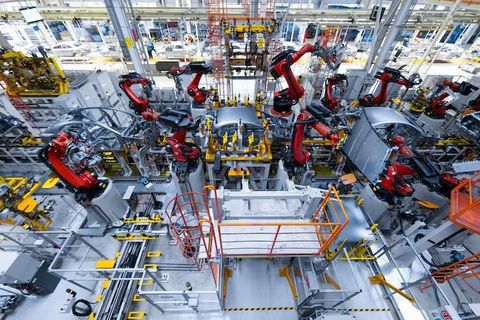
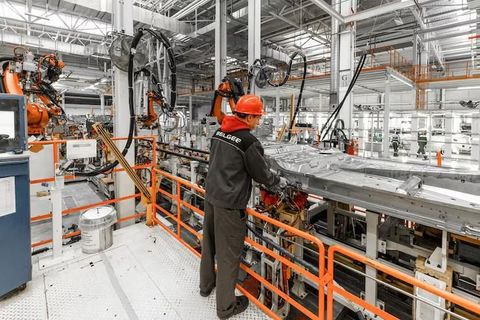
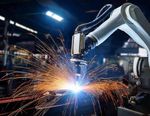
- Increased use of automation and robotics in tool production.
- Greater adoption of digital twins for simulation and testing.
- Expansion of additive manufacturing techniques for prototype tooling.
- Growing use of artificial intelligence for predictive maintenance.
- Improved tooling materials with enhanced wear resistance.
Manufacturers are increasingly combining CNC machining with additive manufacturing to create complex tooling solutions. This hybrid approach can improve precision and reduce production timelines.
Another important trend is the integration of Industry 4.0 technologies. Smart sensors and connected manufacturing systems allow real-time monitoring of tooling performance, helping organizations identify maintenance needs before failures occur.
Laws or Policies
Tool and mold making operations are often subject to workplace safety, environmental, and manufacturing regulations.
The specific requirements vary by country and region, but common regulatory areas include:
| Regulatory Area | Purpose |
|---|---|
| Workplace Safety Standards | Protect workers operating machinery and equipment |
| Environmental Regulations | Control emissions, waste disposal, and resource usage |
| Quality Management Systems | Maintain production consistency and product quality |
| Machine Safety Requirements | Reduce risks associated with automated equipment |
| Material Compliance Rules | Ensure approved materials are used in production |
Many manufacturers follow internationally recognized standards such as quality management and occupational safety frameworks. Compliance helps organizations maintain safe working environments and meet customer expectations.
Government agencies may also provide guidance related to industrial safety, manufacturing modernization, and environmental sustainability initiatives.
Tools and Resources
Several digital tools and resources support tool and mold making activities.
| Resource Type | Purpose |
|---|---|
| CAD Software | Design molds and tooling components |
| CAM Software | Generate machining instructions |
| CNC Programming Tools | Control automated machining processes |
| Material Databases | Compare material properties |
| Simulation Platforms | Test mold designs before production |
Useful resources may include:
- Manufacturing standards organizations
- Technical training platforms
- Engineering reference libraries
- Material selection databases
- Industrial safety guidance portals
These resources help engineers, technicians, and manufacturers improve design accuracy and production efficiency while supporting compliance with industry requirements.
FAQs
What is the difference between a tool and a mold?
A tool is used for cutting, shaping, or assembling materials, while a mold is used to form products into specific shapes by containing material during the manufacturing process.
Which industries use tool and mold making?
Industries such as automotive, aerospace, electronics, medical manufacturing, packaging, and consumer goods commonly rely on tool and mold making processes.
What materials are commonly used for molds?
Steel, aluminum, and specialized alloys are frequently used because they provide durability, strength, and resistance to wear.
How does CNC technology support tool and mold making?
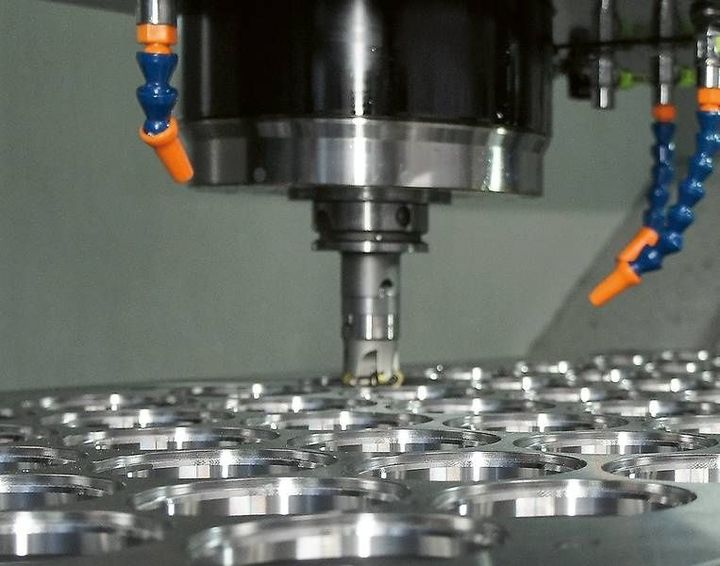
CNC machines automate machining operations, allowing manufacturers to produce highly accurate tooling components with consistent quality.
Why is maintenance important for tools and molds?
Regular maintenance helps prevent production interruptions, extends equipment life, and maintains product quality throughout manufacturing operations.
Conclusion
Tool and mold making is a foundational part of modern manufacturing that supports the production of countless products used every day. These processes enable precision, consistency, and efficiency across many industries. Recent developments in automation, digital manufacturing, and advanced materials continue to improve tooling capabilities. Understanding the basics of tool and mold making helps provide valuable insight into how modern products are designed and manufactured. As technology advances, these processes are expected to remain essential to industrial production worldwide.