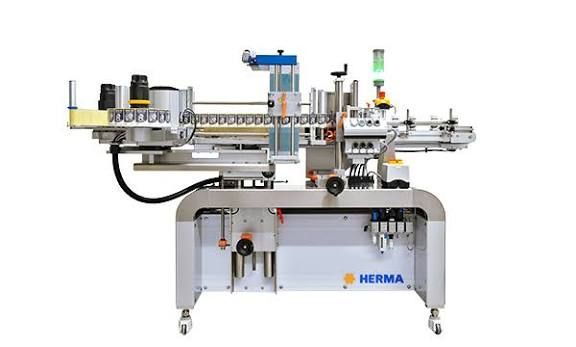
Labeling Machines Explained: Basics, Uses, Advantages, and Expert Insights
Labeling Machines play an essential role in modern manufacturing and packaging by applying labels accurately and consistently to products, containers, cartons, bottles, and packages.
From food and pharmaceutical products to cosmetics and industrial goods, labels provide important information such as product identity, ingredients, safety instructions, manufacturing dates, batch numbers, and barcodes.
Understanding Labeling Machines
A labeling machine is a mechanical or automated system designed to apply labels to products or packaging materials. Labels may include printed text, graphics, QR codes, RFID tags, or barcodes depending on industry requirements.
Modern machines can label a wide variety of products, including:
- Plastic bottles
- Glass bottles
- Cartons
- Boxes
- Pouches
- Cans
- Tubes
- Jars
- Containers
Some systems also integrate printing capabilities, allowing variable information such as batch numbers or expiration dates to be printed immediately before label application.
Common Types of Labeling Machines
| Machine Type | Primary Application |
|---|---|
| Automatic Labeling Machine | High-volume production lines |
| Bottle Labeling Machine | Water, beverages, pharmaceuticals, oils |
| Packaging Labeling Machine | Boxes, cartons, pouches |
| Automatic Sticker Labeling Machine | Self-adhesive labels |
| Barcode Labeling Machine | Barcode and tracking labels |
| Pharmaceutical Labeling Machine | Medicine bottles and healthcare packaging |
| Food Labeling Machine | Food containers and packaged products |
| Cosmetic Labeling Machine | Beauty and personal care products |
| Industrial Label Applicator | Manufacturing and logistics environments |
| Label Printing Machine | Printing customized labels |
How Labeling Machines Work
Although designs vary, most labeling systems follow a similar process:
- Products move along a conveyor.
- Sensors detect product position.
- Labels are dispensed automatically.
- The label is applied with rollers or applicators.
- Cameras or scanners may verify label placement.
- The labeled product continues through the packaging line.
Modern Packaging Machinery often combines labeling with printing, inspection, coding, and quality control.
Why Labeling Machines Matter
Product labeling has become more important as supply chains grow more complex and consumers expect accurate product information.
Well-designed labeling systems help manufacturers:
- Improve product identification
- Maintain packaging consistency
- Support inventory management
- Enable product traceability
- Reduce manual labeling errors
- Improve production efficiency
- Simplify warehouse operations
- Support regulatory compliance
For industries such as pharmaceuticals and food manufacturing, accurate labeling contributes to product safety and traceability throughout the distribution process.
Industries That Use Labeling Machines
| Industry | Typical Label Requirements |
|---|---|
| Food Processing | Nutrition facts, ingredients, allergens |
| Pharmaceuticals | Dosage, batch number, expiry date |
| Cosmetics | Ingredients, usage instructions |
| Chemicals | Hazard warnings |
| Logistics | Shipping labels, barcodes |
| Beverage Manufacturing | Brand labels, nutritional information |
| Consumer Goods | Product identification |
Advantages of Automated Labeling
Compared with manual labeling, automated equipment provides several operational benefits.
Improved Accuracy
Modern sensors help position labels consistently on each product.
Higher Productivity
Automatic systems can label hundreds or even thousands of products per hour depending on machine specifications.
Reduced Waste
Proper label alignment helps reduce damaged labels and unnecessary material waste.
Better Traceability
Barcode Labeling Machines and QR code systems improve inventory tracking and product identification.
Consistent Product Appearance
Uniform labeling supports professional packaging across production batches.
Packaging Automation and Modern Manufacturing
Packaging Automation Equipment has become a central component of smart manufacturing.
Automation technologies often combine:
- Conveyor systems
- Vision inspection cameras
- Barcode verification
- Label printers
- Industrial robots
- PLC control systems
- Production monitoring software
These integrated systems help manufacturers improve operational consistency while reducing repetitive manual tasks.
Recent Developments and Industry Trends
During 2024 and 2025, packaging automation continued to evolve across manufacturing industries. Several notable trends include:
| Recent Trend | Industry Impact |
|---|---|
| AI-assisted vision inspection | Improved label placement verification |
| Smart barcode verification | Better product traceability |
| Digital printing integration | Faster variable-data labeling |
| Sustainable label materials | Reduced environmental impact |
| Industrial IoT connectivity | Production monitoring and maintenance |
| Cloud production analytics | Improved equipment performance tracking |
Manufacturers are increasingly integrating Industrial Packaging Equipment with digital monitoring systems that collect production data in real time.
Another growing trend is the use of recyclable packaging materials together with environmentally friendly label adhesives designed to improve recycling processes.
Regulations and Compliance
Labeling requirements vary by country and industry. Governments establish regulations to help ensure products are properly identified and consumers receive accurate information.
Common regulatory areas include:
- Product identification
- Ingredient disclosure
- Safety warnings
- Manufacturing information
- Expiration dates
- Batch numbers
- Barcode standards
- Language requirements
For pharmaceutical manufacturing, labeling regulations often require strict quality control and product traceability throughout production.
Food manufacturers generally follow regulations covering:
- Nutrition labeling
- Allergen declarations
- Ingredient lists
- Date marking
- Country-of-origin information where applicable
Industrial sectors also follow standards related to workplace safety labels and hazardous material identification.
Companies using Label Printing Machines and Packaging Labeling Machines typically establish internal quality assurance procedures to verify label accuracy before products enter distribution.
Helpful Tools and Resources
Several digital tools support labeling, packaging, and product identification processes.
| Resource | Purpose |
|---|---|
| Barcode Generators | Create barcode labels |
| QR Code Generators | Produce QR codes for packaging |
| GS1 Standards | Global barcode identification standards |
| Label Design Software | Create product labels |
| Packaging CAD Software | Packaging layout planning |
| PDF Label Templates | Standardized label formats |
| Industrial Vision Systems | Label inspection |
| Production Monitoring Software | Packaging analytics |
| ERP Systems | Inventory and production integration |
| Warehouse Management Systems | Product tracking |
Useful resources for learning about packaging standards include:
- GS1 documentation
- Food safety authority publications
- Pharmaceutical regulatory guidance
- Industrial automation associations
- Manufacturing quality management resources
Comparison of Manual and Automatic Labeling
| Feature | Manual Labeling | Automatic Labeling Machine |
|---|---|---|
| Speed | Lower | Higher |
| Consistency | Operator dependent | Highly consistent |
| Accuracy | Variable | High |
| Traceability | Limited | Advanced barcode support |
| Production Volume | Small batches | Large-scale production |
| Automation Integration | Minimal | Extensive |
Frequently Asked Questions
What is a Labeling Machine?
A Labeling Machine is equipment designed to apply labels accurately to products, bottles, containers, cartons, or packages using manual, semi-automatic, or fully automatic processes.
What is the difference between a Label Applicator Machine and a Label Printing Machine?
A Label Applicator Machine applies existing labels to products, while a Label Printing Machine produces printed labels. Many modern systems combine both functions into one integrated workflow.
Which industries commonly use Industrial Labeling Machines?
Industrial Labeling Machines are widely used in food processing, pharmaceuticals, cosmetics, beverages, chemicals, logistics, manufacturing, and consumer goods packaging.
Why are barcode labeling systems important?
Barcode Labeling Machines improve inventory management, product tracking, warehouse operations, and supply chain traceability by providing machine-readable product identification.
How does packaging automation improve production?
Packaging Automation Equipment helps improve consistency, reduce repetitive manual work, enhance label accuracy, support quality inspections, and integrate production data with manufacturing systems.
Conclusion
Labeling Machines have become an essential component of modern manufacturing and packaging operations. Whether used for bottles, cartons, food products, pharmaceuticals, cosmetics, or industrial goods, these systems help ensure products are accurately identified, traceable, and consistently presented.
Advances in automation, digital printing, barcode verification, machine vision, and smart manufacturing continue to shape the future of labeling technology. As regulatory requirements evolve and packaging standards become more sophisticated, manufacturers increasingly rely on Automatic Labeling Machines, Industrial Labeling Machines, Bottle Labeling Machines, Packaging Labeling Machines, Automatic Sticker Labeling Machines, Label Applicator Machines, Barcode Labeling Machines, Pharmaceutical Labeling Machines, Food Labeling Machines, Cosmetic Labeling Machines, Industrial Label Applicators, Label Printing Machines, Packaging Automation Equipment, Packaging Machinery, and Industrial Packaging Equipment to support efficient, reliable, and compliant packaging processes.
Understanding how these systems work and keeping pace with industry developments helps businesses, professionals, and learners better appreciate the role of labeling technology in today's global manufacturing environment.