Lifting Equipment Guide: Safe Usage, Compliance, and Efficiency Basics
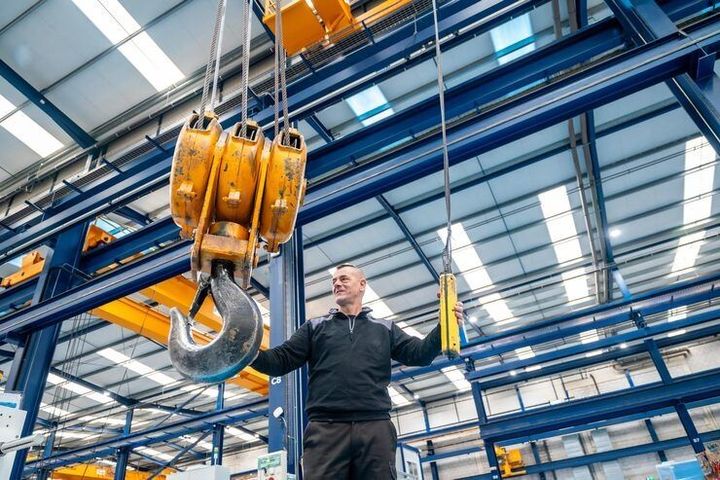
Lifting equipment refers to machines, tools, and accessories designed to move heavy loads safely from one place to another. These include cranes, hoists, forklifts, slings, chains, and other supporting components used across industries such as construction, manufacturing, logistics, and warehousing. The main purpose of lifting equipment is to reduce manual effort, improve efficiency, and minimize the risk of injuries caused by handling heavy materials.
As industries have grown more complex, the demand for safe material handling solutions has increased. Lifting equipment has evolved from simple pulley systems to advanced automated machines equipped with sensors and digital controls. These systems help operators manage weight distribution, maintain balance, and ensure precision during lifting tasks.
Understanding how lifting equipment works, its components, and proper usage is essential for maintaining safety and operational efficiency in workplaces where heavy loads are common.
Importance – Why Safe and Efficient Usage Matters
The use of lifting equipment plays a critical role in modern workplaces. It affects not only productivity but also worker safety and compliance with industry standards.
Key reasons why this topic is important include:
- Workplace Safety: Improper use of lifting equipment can lead to serious accidents such as load drops, equipment failure, or worker injuries. Proper knowledge helps reduce these risks.
- Operational Efficiency: Well-maintained and correctly used equipment speeds up tasks, reduces downtime, and improves workflow.
- Regulatory Compliance: Many industries must follow strict safety standards. Understanding these ensures organizations meet legal requirements.
- Cost Management: Avoiding equipment damage and workplace incidents helps reduce repair costs and operational disruptions.
- Worker Training: Employees who understand lifting techniques and equipment handling perform tasks more confidently and safely.
This topic affects a wide range of people, including machine operators, safety officers, engineers, site managers, and business owners. It solves problems related to workplace accidents, inefficiency, and non-compliance with safety standards.
Recent Updates – Trends and Developments in the Past Year
The lifting equipment sector has seen several advancements and updates in the past year, especially with the integration of technology and safety improvements.
- 2025: Increased adoption of smart lifting systems with IoT sensors that monitor load weight, angle, and equipment condition in real time.
- 2025: Growth in automation, including remote-controlled cranes and robotic lifting systems in warehouses.
- 2024–2025: Updates in safety standards emphasizing regular inspections, digital record-keeping, and operator certification tracking.
- 2025: Use of AI-based predictive maintenance tools that help detect faults before equipment failure occurs.
- 2024: Expansion of eco-friendly lifting equipment powered by electric systems to reduce environmental impact.
These updates highlight a shift toward safer, more efficient, and technology-driven lifting operations. Businesses are increasingly focusing on digital tools and automation to improve safety and productivity.
Laws or Policies – Regulatory Framework and Safety Standards
Lifting equipment usage is governed by various laws and regulations to ensure workplace safety. In India, several key rules apply:
- Factories Act, 1948: Covers worker safety and mandates safe handling of machinery, including lifting equipment.
- Occupational Safety, Health and Working Conditions Code, 2020: Consolidates multiple labor laws and emphasizes safe equipment usage and inspections.
- Indian Standards (IS Codes): Provide technical guidelines for manufacturing, testing, and maintaining lifting equipment.
- Periodic Inspection Rules: Equipment must be inspected regularly by qualified professionals to ensure safe operation.
- Load Testing Requirements: Equipment must be tested for maximum load capacity and labeled clearly.
Common compliance requirements include:
- Regular maintenance and inspection logs
- Operator training and certification
- Proper labeling of load limits
- Use of protective gear during operations
Failure to follow these regulations can result in penalties, operational shutdowns, or safety risks. Understanding these policies helps organizations maintain compliance and ensure a safe working environment.
Tools and Resources – Helpful Solutions for Better Management
Various tools and resources are available to support safe and efficient lifting operations. These tools help with planning, monitoring, and maintaining equipment.
Useful tools include:
- Load Calculation Tools: Help determine safe weight limits and balance distribution.
- Inspection Checklists: Standard templates for daily, weekly, and monthly equipment checks.
- Maintenance Tracking Software: Digital platforms to monitor service schedules and repair history.
- Safety Training Platforms: Online modules for operator education and certification tracking.
- Incident Reporting Systems: Tools to record and analyze workplace incidents for improvement.
Example table showing common tools and their purpose:
| Tool Type | Purpose |
|---|---|
| Load Calculator | Determines safe lifting capacity |
| Inspection Checklist | Ensures regular safety checks |
| Maintenance Software | Tracks repairs and servicing schedules |
| Training Platforms | Improves operator knowledge |
| Monitoring Systems | Tracks real-time equipment performance |
Simple graph showing impact of proper equipment usage:
Efficiency Level (%)
100 |                ██████████
 80 |            █████████
 60 |        ███████
 40 |    █████
 20 | ███
     ---------------------------
     Poor   Average   Proper
     Usage   Usage    Usage
This graph illustrates how proper usage significantly improves efficiency and safety outcomes.
FAQs – Common Questions About Lifting Equipment
What is considered lifting equipment?
Lifting equipment includes any tool or machine used to lift, lower, or move loads, such as cranes, hoists, forklifts, and slings.
How often should lifting equipment be inspected?
Inspection frequency depends on usage, but regular checks are typically required daily, monthly, and annually by qualified personnel.
What is safe working load (SWL)?
Safe working load is the maximum weight that equipment can safely lift without risk of failure.
Why is operator training important?
Trained operators understand proper techniques, safety measures, and equipment limits, reducing the risk of accidents.
What are common risks associated with lifting equipment?
Common risks include overloading, equipment failure, improper rigging, and lack of maintenance.
Conclusion – Key Takeaways for Safe and Efficient Usage
Lifting equipment plays a vital role in modern industries by improving efficiency and reducing manual effort. However, its benefits come with responsibilities related to safety, maintenance, and compliance. Understanding how lifting equipment works, following proper usage guidelines, and staying updated with regulations are essential steps for ensuring safe operations.
Recent advancements in technology, such as smart monitoring systems and automation, are making lifting processes more reliable and efficient. At the same time, strict laws and safety standards continue to guide proper usage and protect workers.