Material Testing Machines Guide for Understanding Performance and Evaluation Methods
Material testing machines play an important role in evaluating the physical and mechanical properties of materials used in construction, manufacturing, transportation, electronics, and many other industries.
These machines help determine how materials respond to different forces, environmental conditions, and operational stresses before they are used in real-world applications.
The development of material testing equipment is closely linked to advances in engineering and industrial production. As products became more complex and safety requirements increased, reliable testing methods became necessary to verify material quality and performance. Today, laboratory testing machines are used in research facilities, educational institutions, manufacturing plants, and quality control laboratories around the world.
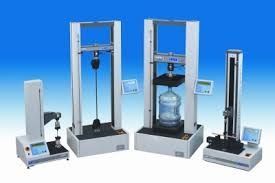
Different types of material testing machines are designed to measure specific characteristics. A universal testing machine can evaluate tensile, compression, and bending properties. A tensile testing machine focuses on pulling forces, while a compression testing machine measures resistance to squeezing forces. Other equipment, such as hardness testing machines and impact testing equipment, helps assess durability and resistance to wear or sudden loads.
Material analysis equipment supports these processes by collecting and interpreting data that engineers and researchers use to understand material behavior. Whether testing metals, plastics, composites, rubber, or ceramics, these systems provide valuable information for performance evaluation.
Importance
Why Material Testing Matters
Materials are used in products and structures that people rely on every day. Bridges, vehicles, medical devices, consumer electronics, and household appliances all depend on materials performing as expected under different conditions.
Material testing helps identify potential weaknesses before materials are incorporated into finished products. This process supports product reliability, structural integrity, and compliance with technical standards.
Testing is particularly important because materials can behave differently depending on their composition, manufacturing process, and environmental exposure. Even small variations may affect performance.
Who Uses Material Testing Machines
Many organizations depend on material testing equipment to evaluate products and raw materials. Common users include:
- Manufacturing companies
- Research laboratories
- Universities and technical institutes
- Construction material laboratories
- Aerospace organizations
- Automotive manufacturers
- Government testing agencies
These users rely on laboratory testing machines to gather objective data that supports design, development, and quality assessment activities.
Common Performance Evaluations
Material testing machines are used to evaluate a wide range of characteristics, including:
- Strength
- Elasticity
- Hardness
- Toughness
- Fatigue resistance
- Impact resistance
- Ductility
- Compression behavior
- Tensile properties
The results help determine whether a material is suitable for a specific application or environment.
Recent Updates
Increasing Automation
Between 2024 and 2026, one noticeable trend has been the continued adoption of automated testing systems. Modern material testing machines increasingly use digital controls, automated specimen handling, and software-driven testing procedures.
Automation helps improve consistency by reducing variations that may occur during manual testing processes.
Growth of Digital Data Management
Testing laboratories are increasingly integrating material analysis equipment with digital data platforms. These systems store test results electronically, making it easier to track historical data and generate reports.
Cloud-based storage and centralized databases have become more common for organizations managing large volumes of testing information.
Advanced Sensor Technology
New generations of sensors provide more precise measurements during testing. Improved load cells, displacement sensors, and optical measurement systems help capture detailed information about material behavior.
These developments are particularly useful for evaluating advanced materials such as composites, lightweight alloys, and engineered polymers.
Sustainability and Material Development
Many industries are focusing on environmentally conscious materials. As a result, metal testing machines and other laboratory systems are increasingly used to evaluate recycled materials, alternative composites, and sustainable manufacturing inputs.
Researchers use testing data to compare performance characteristics and assess long-term durability.
Integration with Simulation Tools
Engineering software is becoming more closely connected with testing systems. Physical test results can be incorporated into computer simulations to improve material models and predict performance under various conditions.
This combination of testing and simulation supports more efficient product development processes.
Laws or Policies
Role of Standards and Regulations
Material testing is often guided by national and international standards. These standards establish consistent methods for performing tests and reporting results.
Organizations use these standards to ensure that testing procedures remain repeatable and comparable across different laboratories.
Common International Standards
Several organizations publish widely recognized testing standards, including:
| Organization | Primary Focus |
|---|---|
| ASTM International | Material and product testing standards |
| International Organization for Standardization (ISO) | Global technical standards |
| European Committee for Standardization (CEN) | European testing requirements |
| International Electrotechnical Commission (IEC) | Electrical and electronic standards |
These standards may specify testing procedures for tensile strength, hardness, impact resistance, compression performance, and other material properties.
Government Oversight
Many countries require compliance with industry-specific regulations, particularly in sectors involving public safety. Construction materials, transportation components, and medical devices often undergo testing according to regulatory requirements.
Government agencies may reference recognized standards when establishing compliance frameworks.
Laboratory Accreditation
Testing laboratories frequently participate in accreditation programs that verify technical competence and quality management practices. Accreditation helps ensure that testing procedures are conducted according to recognized requirements.
Accredited laboratories typically follow documented procedures and maintain calibration records for material testing equipment.
Tools and Resources
Testing Software Platforms
Modern material testing machines are commonly paired with software that controls testing procedures and records results. These platforms can generate charts, calculate performance metrics, and create standardized reports.
Examples include:
- Test management software
- Data acquisition systems
- Statistical analysis tools
- Laboratory information management systems
Engineering Calculators
Engineers and researchers often use calculators to determine values such as:
- Tensile strength
- Yield strength
- Stress
- Strain
- Hardness conversion values
- Impact energy calculations
These calculations help interpret data collected from a tensile testing machine, compression testing machine, or other testing systems.
Standards Databases
Digital standards databases provide access to testing procedures and technical requirements published by recognized standards organizations.
These resources help laboratories maintain consistent testing methods and stay informed about updated requirements.
Educational Resources
Universities, engineering organizations, and technical institutions publish guides, research papers, and training materials related to material testing equipment and evaluation methods.
These resources support learning for students, researchers, technicians, and quality assurance personnel.
Data Analysis Platforms
Material analysis equipment often integrates with software platforms capable of:
- Trend analysis
- Statistical evaluation
- Report generation
- Data visualization
- Comparative performance assessment
These tools assist users in understanding complex testing results and identifying meaningful patterns.
FAQs
What is a universal testing machine used for?
A universal testing machine is designed to perform multiple types of mechanical tests, including tensile, compression, bending, and shear testing. It is widely used to evaluate the strength and behavior of various materials.
How does a tensile testing machine work?
A tensile testing machine applies a controlled pulling force to a specimen until it stretches or breaks. The machine records measurements such as force, elongation, and tensile strength throughout the test.
What is the difference between a compression testing machine and a tensile testing machine?
A compression testing machine evaluates how materials respond to squeezing forces, while a tensile testing machine measures behavior under pulling forces. Both provide important information about material performance under different loading conditions.
Why are hardness testing machines important?
Hardness testing machines measure a material's resistance to indentation, scratching, or deformation. Hardness values can help predict wear resistance and overall durability.
What types of materials can be evaluated using material testing equipment?
Material testing equipment can be used for metals, plastics, rubber, ceramics, composites, textiles, concrete, wood, and many other materials. The specific testing method depends on the property being evaluated.
Conclusion
Material testing machines are essential tools for understanding how materials perform under different conditions. Equipment such as universal testing machines, tensile testing machines, compression testing machines, hardness testing machines, and impact testing equipment provides valuable information about strength, durability, and reliability. Advances in automation, digital data management, and sensor technology continue to improve testing capabilities. Standards, regulations, and laboratory quality practices help ensure consistent and reliable evaluation methods across industries. Material analysis equipment remains an important part of research, manufacturing, and quality assessment activities worldwide.