Metal Processing Machinery Guide: Understanding Equipment, Methods, and Applications
Metal processing machinery refers to equipment used to cut, shape, bend, drill, roll, and finish metals for industrial and everyday applications.
Modern metal processing equipment developed from traditional hand-operated tools into powered and computer-controlled systems that can handle complex production tasks with greater consistency.
Industrial metalworking machinery is used with materials such as steel, aluminum, copper, and various alloys. Depending on the required shape and purpose, manufacturers may use CNC metalworking machines, a metal cutting machine, metal forming machinery, or specialized equipment for sheet processing.
Common Types of Metal Processing Equipment
Different machines perform different functions during production. Common categories include:
- Cutting equipment for separating metal into required dimensions
- CNC machining equipment for controlled drilling, milling, and shaping
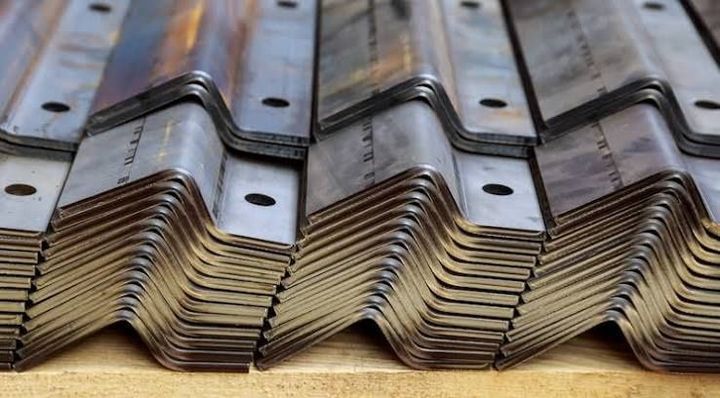
- Sheet metal processing equipment for bending and forming thin metal sheets
- Metal fabrication machinery for creating parts and structural components
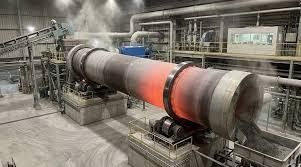
- Metal rolling mill equipment for reducing thickness or creating specific profiles
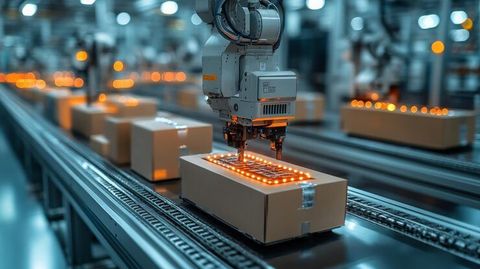
- Automated metal processing systems for coordinating repeated production tasks
The following table provides a simple comparison:
| Equipment Type | Main Function | Common Application |
|---|---|---|
| CNC machining equipment | Cutting and shaping | Precision components |
| Industrial laser cutting machine | Focused thermal cutting | Sheet and plate processing |
| CNC plasma cutting machine | Plasma-based cutting | Conductive metal plates |
| Industrial press brake machine | Bending sheet metal | Panels and enclosures |
| Metal rolling mill equipment | Rolling and thickness reduction | Sheets, strips, and profiles |
Importance
Metal processing machinery supports many parts of modern life. Buildings, vehicles, household appliances, energy infrastructure, agricultural equipment, and electronic products often depend on metal components created through controlled processing methods.
Industrial metalworking machinery helps address challenges involving accuracy, repeatability, material handling, and production efficiency. A CNC metalworking machine can follow programmed instructions, while an industrial press brake machine can create controlled bends in sheet metal. These processes help manufacturers produce components with consistent dimensions.
Metal processing automation also affects workplace organization. Automated controls, sensors, and machine monitoring can reduce repetitive manual handling while helping operators observe machine conditions and production performance.
Recent Updates
From 2024 to 2026, the general trend in metal processing has focused on digital control, automation, energy management, and connected manufacturing. Automated metal processing systems increasingly combine machines with sensors, production software, and real-time monitoring.
Growth of Connected Machinery
Modern CNC machining equipment can collect operating data related to machine activity, tool condition, and production cycles. This information can help identify unusual conditions and support planned maintenance.
Industrial laser cutting machine technology continues to develop around improved control, material efficiency, and integration with automated loading systems. CNC plasma cutting machine systems also increasingly use digital controls for programmed cutting paths.
Another important trend is the connection between design software and production equipment. Digital files can move from computer-aided design systems to CNC metalworking machines, reducing the number of manual steps required between design and manufacturing.
Laws or Policies
Rules affecting metal processing machinery vary by country, but they commonly focus on workplace safety, electrical systems, machine guarding, emissions, noise, and worker training. In India, industrial machinery may be affected by workplace safety requirements, environmental rules, electrical standards, and factory regulations administered by national and state authorities.
Machine Safety and Environmental Controls
Machine operators may need protection from moving components, sharp edges, heat, sparks, and airborne particles. Guards, emergency stop controls, ventilation systems, warning labels, and documented operating procedures are commonly used to manage these risks.
Environmental requirements may also influence metal cutting, forming, and finishing activities. Facilities may need to manage metal scrap, dust, wastewater, fumes, and energy use according to applicable regulations. Requirements can differ based on the type of metal processing equipment and the location of the facility.
Tools and Resources
Several digital tools can help people understand and manage metal processing activities. Computer-aided design platforms are used to create part drawings, while computer-aided manufacturing platforms can prepare machine instructions for CNC machining equipment.
Useful resources include:
- CAD tools for creating technical drawings and three-dimensional models
- CAM platforms for preparing CNC machine paths
- Material calculators for estimating weight, dimensions, and sheet requirements
- Cutting parameter charts for selecting suitable machine settings
- Maintenance templates for recording inspections and machine conditions
- Government safety portals for reviewing applicable workplace rules
- Standards databases for researching machinery and manufacturing requirements
Simulation tools can also help visualize machining or forming operations before physical production begins. In metal processing automation, monitoring platforms may display machine status, production activity, and maintenance information.
FAQs
What is metal processing machinery?
Metal processing machinery is a broad category of equipment used to cut, shape, bend, roll, drill, and finish metal materials. It includes manual, powered, CNC-controlled, and automated systems.
What is the difference between CNC metalworking machines and conventional machines?
CNC metalworking machines follow programmed digital instructions, while conventional machines depend more heavily on direct operator control. CNC systems are commonly used when repeated dimensions and complex tool movements are required.
What is sheet metal processing equipment used for?
Sheet metal processing equipment is used to cut, bend, punch, roll, and shape thin metal sheets. Common applications include cabinets, panels, ducts, enclosures, and structural components.
How does an industrial laser cutting machine differ from a CNC plasma cutting machine?
An industrial laser cutting machine uses a focused laser beam to process material, while a CNC plasma cutting machine uses an electrically generated plasma arc. Material type, thickness, required edge quality, and production conditions influence which method is suitable.
What is metal processing automation?
Metal processing automation involves using digital controls, sensors, software, and automated handling systems to coordinate production activities. It may connect metal fabrication machinery with monitoring systems and other production equipment.
Conclusion
Metal processing machinery includes a wide range of equipment designed for cutting, shaping, forming, rolling, and machining metals. CNC systems, laser and plasma cutting equipment, press brakes, and rolling machinery support many industrial applications. Current developments emphasize digital integration, connected monitoring, and automated metal processing systems. Safety rules, environmental requirements, and technical standards continue to shape how this machinery is operated.