Military Grade Connectors Guide: Essential Information for Reliable Connectivity Systems
Military grade connectors are specialized components used to connect electrical circuits, communication systems, and data networks in demanding environments.
These connectors are designed to operate under conditions that may include vibration, moisture, dust, temperature changes, and mechanical stress. They are commonly found in defense equipment, aviation systems, naval platforms, space technologies, and other applications where dependable connectivity is essential.
The development of military electrical connectors began as military equipment became more complex and required standardized connection systems. Early military systems relied on simple wiring methods, but modern defense and aerospace platforms depend on advanced connectors capable of transmitting power, signals, and data while maintaining operational reliability.
Today, military circular connectors, aerospace connectors, and military fiber optic connectors are used across numerous industries. While originally developed for defense applications, many of the design principles behind these connectors have influenced products used in transportation, industrial automation, telecommunications, and emergency response systems.
Military connector manufacturers typically design products according to strict performance standards. These standards help ensure compatibility across different equipment types and support consistent operation in demanding conditions. As technology continues to evolve, connector designs are adapting to support higher data speeds, increased power requirements, and smaller equipment footprints.
Importance
Why Reliable Connectivity Matters
Modern defense and aerospace systems rely on large amounts of electrical and digital communication. A single aircraft, vehicle, or communication station may contain hundreds or thousands of connection points. Reliable connectors help ensure that power and information can move efficiently throughout these systems.
High reliability connectors play a significant role in supporting:
- Communication networks
- Navigation systems
- Radar equipment
- Electronic warfare systems
- Surveillance technologies
- Power distribution systems
When connections remain stable under challenging conditions, equipment performance can be maintained more consistently.
Environmental Challenges
Military and aerospace environments can expose equipment to conditions that exceed those encountered in many commercial applications. Rugged military connectors are designed to address challenges such as:
- Extreme temperatures
- Shock and vibration
- Dust and sand exposure
- Humidity and moisture
- Saltwater environments
- Electromagnetic interference
These environmental factors can affect ordinary connectors, making specialized designs necessary in many defense and aviation applications.
Role in Aerospace Applications
Aerospace connectors are critical components in aircraft, satellites, helicopters, and spacecraft. These systems often require lightweight materials while maintaining mechanical strength and electrical performance.
In aerospace environments, connectors may support functions such as:
- Flight control systems
- Sensor networks
- Engine monitoring
- Communication equipment
- Cabin electronics
- Satellite communications
The combination of weight restrictions and performance requirements makes connector selection an important engineering consideration.
Military Cable Assemblies and System Integration
Military cable assemblies combine cables and connectors into complete connection systems. These assemblies are often designed to fit specific equipment layouts and environmental requirements.
Properly engineered cable assemblies can help simplify installation, improve equipment organization, and support long-term maintenance planning. They are commonly used in vehicles, ships, aircraft, command centers, and portable communication equipment.
Recent Updates
Increasing Demand for High-Speed Data Transmission
Recent developments in defense and aerospace technology have increased the need for faster data transmission. Modern military systems generate large amounts of information from sensors, cameras, communication devices, and monitoring equipment.
As a result, military fiber optic connectors are becoming more common. Fiber optic technology supports high-bandwidth communication while helping reduce signal loss over longer distances.
Miniaturization Trends
Electronic systems continue to become smaller and more compact. Connector manufacturers are responding by developing smaller connector designs that maintain performance while occupying less space.
Miniaturized connectors are increasingly used in:
- Unmanned aerial systems
- Portable communication devices
- Wearable military technologies
- Compact aerospace systems
This trend supports equipment designs that require reduced weight and improved portability.
Enhanced Materials and Manufacturing
Advances in materials science have introduced new options for connector housings, seals, and contact materials. Modern rugged military connectors often incorporate lightweight alloys, advanced polymers, and corrosion-resistant coatings.
These materials can contribute to longer operational life and improved performance in demanding environments.
Cybersecurity and Network Integration
As military platforms become more connected, attention has expanded beyond physical durability to include secure data transmission. Connector systems are increasingly integrated into broader network architectures that support secure communications and information sharing.
This trend has influenced the development of connectors designed for advanced networking equipment and digital infrastructure.
Laws or Policies
Military Standards and Specifications
Military grade connectors are commonly developed according to recognized standards established by government and defense organizations. In the United States, many connector designs follow military specifications known as MIL-SPEC standards.
These specifications typically define requirements related to:
- Durability
- Environmental resistance
- Mechanical performance
- Electrical performance
- Testing procedures
Compliance with established standards helps ensure consistency across equipment platforms.
Aerospace Industry Regulations
Aerospace connectors are often subject to regulations established by aviation authorities and industry organizations. These regulations focus on safety, reliability, and quality control.
Manufacturers supplying connectors for aerospace applications generally follow documented testing and certification processes to demonstrate compliance with relevant requirements.
Export Controls
Some military electrical connectors and related technologies may be subject to export control regulations. Governments may regulate the international transfer of certain defense-related components to protect national security interests.
Organizations involved in manufacturing, distribution, or integration of military connector products typically operate within these regulatory frameworks.
Quality Management Requirements
Many military connector manufacturers operate under quality management systems that support product consistency and traceability. These systems often include documentation, testing protocols, and inspection procedures throughout production.
Tools and Resources
Several resources can help engineers, researchers, students, and procurement professionals learn about military grade connectors and related technologies.
| Resource Type | Purpose |
|---|---|
| Military standards databases | Access technical specifications and compliance requirements |
| Aerospace industry publications | Review connector technologies and industry developments |
| Engineering design software | Support connector selection and system design |
| Technical datasheets | Compare connector characteristics and performance ratings |
| Industry association websites | Access educational materials and technical guidance |
| Military connector distributors catalogs | Explore connector categories and compatibility information |
Technical Standards Resources
Government and industry standards organizations publish documentation related to connector requirements, testing procedures, and performance criteria. These resources help users understand technical expectations for military and aerospace applications.
Engineering Design Platforms
Computer-aided design (CAD) software and simulation tools allow engineers to evaluate connector placement, cable routing, and system integration during the design process.
Educational Publications
Technical journals, aerospace publications, and engineering organizations regularly publish articles discussing connector technologies, material developments, and system integration practices.
Product Documentation
Military connector distributors and manufacturers often provide technical catalogs, dimensional drawings, and performance specifications that assist users in understanding connector capabilities and compatibility requirements.
FAQs
What are military grade connectors?
Military grade connectors are specialized electrical connectors designed to operate in demanding environments. They are commonly used in defense, aerospace, naval, and communication systems where reliability is important.
How are military electrical connectors different from standard connectors?
Military electrical connectors are generally designed to meet stricter performance standards related to vibration resistance, environmental protection, durability, and operational reliability. They often undergo additional testing compared to standard commercial connectors.
What are military circular connectors used for?
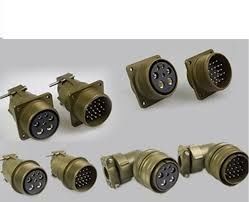
Military circular connectors are commonly used to transmit power, signals, and data between equipment components. Their circular design can provide secure mating, environmental sealing, and efficient use of space.
Why are military fiber optic connectors important?
Military fiber optic connectors support high-speed data transmission while reducing susceptibility to electromagnetic interference. They are frequently used in communication networks, surveillance systems, and advanced defense technologies.
Who are military connector manufacturers and military connector distributors?
Military connector manufacturers design and produce connector products that meet military or aerospace requirements. Military connector distributors help make these products available to organizations that integrate them into equipment and systems.
Conclusion
Military grade connectors are important components in defense, aerospace, communication, and transportation systems. Their designs focus on maintaining reliable electrical and data connections in environments that may involve vibration, moisture, temperature extremes, and other challenges. Developments in fiber optics, miniaturization, advanced materials, and digital networking continue to influence connector technology. Understanding the role of military electrical connectors, aerospace connectors, and military cable assemblies helps explain how modern critical systems maintain dependable connectivity.