Molten Metal Transfer Ladles Insights: Understanding Functions and Usage Methods
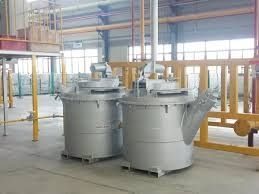
Molten metal transfer ladles are specialized containers used to move and handle liquid metal in industrial environments.
They play an important role in metal production and processing facilities, particularly in foundries, steel plants, and metal casting operations. These ladles are designed to safely contain extremely hot materials such as molten steel and molten iron while allowing controlled transportation and pouring.
The history of molten metal transfer ladles is closely linked to the growth of metalworking industries. As manufacturing processes expanded, industries required reliable methods to move liquid metal between furnaces, refining stations, casting molds, and other production areas. This need led to the development of modern molten metal ladle systems that combine heat resistance, structural strength, and operational control.
Today, industrial transfer ladles are available in different shapes, capacities, and configurations. Some are designed for manual handling in smaller facilities, while others operate as part of automated molten metal transportation systems in large industrial plants. Their design often includes refractory lined ladles that help withstand extreme temperatures and reduce heat loss during transport.
Understanding how these systems function helps explain their importance in modern manufacturing and metal processing operations.
Importance
Molten metal transfer ladles are important because they support the safe movement of liquid metal during production. Without appropriate handling systems, transferring molten metal could create significant operational and safety challenges.
Supporting Industrial Production
Many manufacturing industries depend on molten steel ladles and molten iron transfer ladles to move materials efficiently between different stages of production. These stages may include:
- Melting
- Refining
- Alloying
- Casting
- Pouring
By enabling controlled movement, ladles help maintain production continuity and reduce interruptions.
Improving Safety
Liquid metal can reach temperatures exceeding 1,500°C depending on the material being processed. Ladle safety systems help reduce risks associated with transportation and pouring activities.
Common safety-related features include:
- Heat-resistant linings
- Secure lifting mechanisms
- Controlled tilting systems
- Temperature monitoring equipment
- Protective shields and barriers
These features help protect workers and equipment from accidental spills or exposure to extreme heat.
Supporting Product Quality
Consistent metal handling can influence the quality of finished products. Molten metal pouring equipment is designed to provide controlled flow during casting operations. Accurate pouring may help reduce defects such as air pockets, contamination, and uneven mold filling.
Environmental Considerations
Modern molten metal ladle systems often incorporate technologies that help minimize heat loss and improve energy efficiency. Better insulation and improved refractory materials can contribute to more effective use of energy resources during metal processing.
Recent Updates
Recent developments in molten metal transfer ladles have focused on automation, monitoring technologies, and improved material performance.
Increased Automation
Many industrial facilities are incorporating automated ladle handling equipment into production lines. Automated transport systems can move ladles between locations while reducing direct worker exposure to hazardous environments.
Examples include:
- Automated guided vehicles
- Rail-based transfer systems
- Remote-controlled cranes
- Computer-assisted pouring systems
Advanced Refractory Materials
Refractory lined ladles continue to benefit from improvements in heat-resistant materials. New lining technologies are designed to provide:
- Longer operational life
- Improved thermal insulation
- Reduced maintenance requirements
- Better resistance to thermal shock
These improvements support more stable operations in foundries and steel plants.
Digital Monitoring Systems
Sensors and monitoring equipment are becoming more common in molten metal transportation systems. These technologies may track:
- Metal temperature
- Ladle position
- Structural condition
- Filling levels
- Operational performance
Real-time monitoring can help operators make informed decisions during production processes.
Focus on Workplace Safety
Industrial organizations continue to emphasize safety improvements. Modern ladle safety systems often integrate warning mechanisms, automated controls, and emergency shutdown procedures to help reduce operational risks.
Typical Types of Transfer Ladles
| Ladle Type | Primary Application | Common Features |
|---|---|---|
| Hand Ladle | Small-scale pouring operations | Manual handling |
| Teapot Ladle | Precision pouring | Controlled flow outlet |
| Bottom Pour Ladle | Casting processes | Bottom discharge mechanism |
| Crane Ladle | Large industrial operations | Crane-mounted transport |
| Transfer Ladle | Metal transportation between stations | High-capacity design |
| Treatment Ladle | Metal refining processes | Alloying and treatment functions |
Laws or Policies
The use of molten metal transfer ladles is influenced by workplace safety regulations, industrial standards, and environmental requirements. Specific rules vary by country and region, but several common principles apply.
Workplace Safety Requirements
Industrial facilities handling molten metal are generally required to follow occupational safety regulations. These rules often address:
- Protective equipment usage
- Worker training
- Equipment inspection procedures
- Emergency response planning
- Hazard identification
Regular inspections may help ensure that molten steel ladles and other equipment remain suitable for operational use.
Equipment Standards
Manufacturers and operators frequently follow engineering standards related to ladle construction, lifting systems, and refractory materials. These standards are intended to support reliability and safe operation.
Environmental Regulations
Metal processing facilities may also be subject to environmental requirements related to:
- Energy consumption
- Waste management
- Air emissions
- Material recycling
Proper maintenance of industrial transfer ladles can support compliance with environmental objectives by reducing material waste and improving thermal efficiency.
Training and Operational Procedures
Many industrial regulations emphasize operator training. Personnel responsible for using molten metal pouring equipment and ladle handling equipment are typically expected to understand:
- Safe handling procedures
- Emergency protocols
- Equipment limitations
- Inspection requirements
These practices help maintain safer working environments.
Tools and Resources
Several tools and resources are commonly used alongside molten metal transfer ladles to support operations, monitoring, and maintenance.
Engineering and Design Software
Computer-aided design platforms assist engineers in developing and evaluating ladle structures. These tools help assess factors such as:
- Structural strength
- Thermal performance
- Material selection
- Capacity requirements
Temperature Monitoring Systems
Digital sensors and thermal monitoring devices are widely used in molten metal ladle systems. These instruments help operators track temperature conditions throughout transportation and pouring activities.
Industry Standards Organizations
Organizations that publish engineering and safety standards provide useful technical information related to foundry ladle equipment and metal handling systems.
Examples include:
- International standards organizations
- National safety agencies
- Metallurgical associations
- Engineering institutions
Maintenance Management Platforms
Many facilities use digital maintenance platforms to schedule inspections and record equipment performance data. These systems can assist with tracking:
- Refractory lining condition
- Repair history
- Inspection schedules
- Operational records
Training Resources
Technical manuals, safety guides, and educational materials help operators understand proper usage methods for molten iron transfer ladles and related equipment.
FAQs
What are molten metal transfer ladles used for?
Molten metal transfer ladles are used to transport liquid metal between different stages of industrial production. They help move molten metal from furnaces to treatment stations, casting areas, or molds.
How do refractory lined ladles work?
Refractory lined ladles contain special heat-resistant materials inside the ladle structure. These linings help protect the outer shell from extreme temperatures while reducing heat loss during transportation and pouring.
What industries use molten metal ladle systems?
Molten metal ladle systems are commonly used in steel manufacturing, iron production, foundries, metal casting facilities, and various industrial processing operations that handle liquid metals.
What safety measures are used with steel plant transfer ladles?
Steel plant transfer ladles often utilize ladle safety systems such as temperature monitoring devices, secure lifting mechanisms, protective barriers, emergency controls, and routine inspection procedures.
How are molten metal transportation systems becoming more advanced?
Modern molten metal transportation systems increasingly use automation, remote monitoring, digital sensors, and improved refractory materials. These developments help support operational efficiency and workplace safety.
Conclusion
Molten metal transfer ladles are essential components in modern metal processing and manufacturing operations. They enable the controlled transportation and pouring of liquid metal while helping support safety, production continuity, and product quality. Advances in automation, monitoring technologies, and refractory materials continue to influence how molten metal ladle systems are used across industrial environments. Understanding their functions and usage methods provides valuable insight into the processes behind modern metal production.