Paper Bag Making Machines Overview: Key Insights, Uses, and Industry Facts
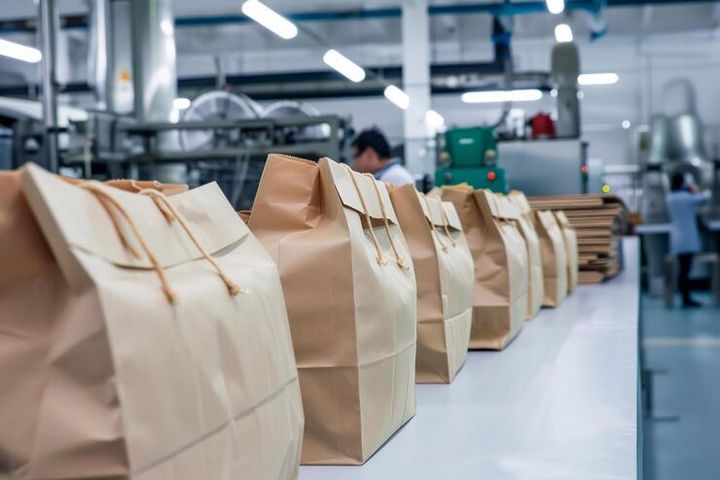
Paper bag making machines are industrial systems designed to produce paper bags in different sizes, shapes, and designs. These machines automate the process of converting paper rolls into finished bags, including cutting, folding, gluing, and printing.
Paper bag making machines have become essential in modern manufacturing due to the increasing demand for efficient, scalable, and environmentally responsible packaging solutions. As global industries expanded, traditional manual packaging methods could no longer meet high-volume production needs. This led to the adoption of automated machinery for consistent and faster output
Paper bags are widely used across multiple industries, including retail, food packaging, pharmaceuticals, and e-commerce. These machines help manufacturers produce large quantities while maintaining uniform quality and reducing manual effort
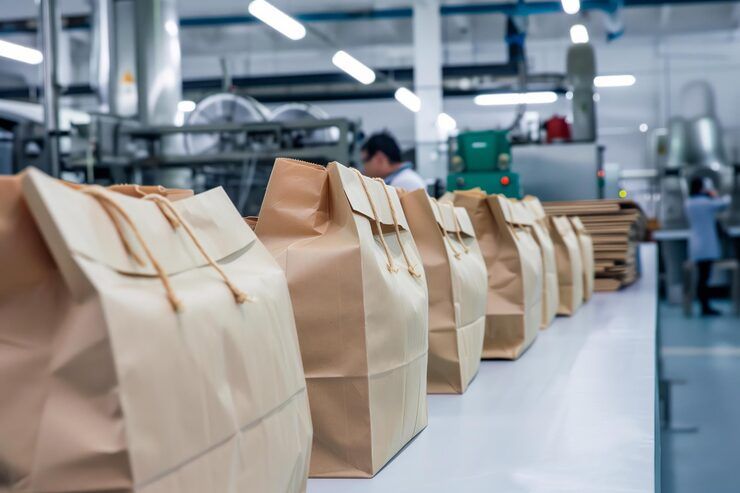
Types of Paper Bag Making Machines
Different machines are designed to meet specific production requirements. Each type serves a unique function depending on the industry.
- Flat-bottom paper bag machines
- V-bottom paper bag machines
- Square-bottom paper bag machines
- Handle-making and attaching machines
Paper Bag Production Workflow
The manufacturing process involves multiple stages, from raw material input to final output. Each step is automated for efficiency and consistency.
| Stage | Process Description |
|---|---|
| Raw Material | Paper roll input |
| Processing | Cutting, folding, shaping |
| Printing | Branding and design application |
| Assembly | Gluing and handle attachment |
| Output | Finished paper bags |
Importance
Paper bag making machines play a significant role in modern packaging industries. Their importance has increased due to rising environmental concerns and changing consumer preferences
The global shift away from plastic packaging has made paper bags a preferred alternative. Governments and organizations are promoting biodegradable materials, which has increased the adoption of these machines.
Key Industry Applications
These machines support a wide range of industries by enabling efficient packaging solutions:
- Retail businesses requiring branded bags
- Food and beverage sectors using takeaway packaging
- E-commerce companies needing durable packaging
- Packaging manufacturers scaling production
Challenges Addressed
Paper bag machines help solve several critical industry challenges:
- Reducing dependency on single-use plastics
- Improving production efficiency
- Supporting large-scale manufacturing
- Maintaining consistent product quality
Environmental Comparison
Paper bags are considered more sustainable compared to plastic bags. Their environmental benefits are significant in reducing long-term waste.
| Material Type | Biodegradability | Environmental Impact |
|---|---|---|
| Plastic Bags | Very Low | High |
| Paper Bags | High | Lower |
Automation also minimizes human error and increases production speed, making these machines vital in industrial environments.
Recent Updates
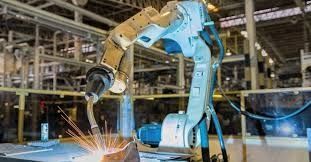
The paper bag manufacturing industry has seen notable advancements in 2025. Automation and digital integration have significantly improved machine performance and efficiency
Modern machines now include advanced features that enhance usability and reduce operational costs.
Key Technological Advancements
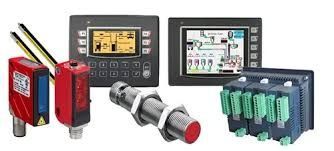
- Touchscreen control panels for easy operation
- Real-time monitoring systems for performance tracking
- Energy-efficient motors to reduce power consumption
- Technologies that minimize material waste
Smart Manufacturing Trends
The integration of Industrial Internet of Things (IIoT) has enabled remote monitoring and predictive maintenance. This helps reduce downtime and improves overall productivity.
Customization is also a growing trend. Machines now support flexible sizing and advanced printing options to meet branding requirements.
Global policy changes, especially in Europe and Asia, have further accelerated the adoption of paper bag production technologies.
Laws or Policies
Environmental regulations play a major role in shaping the use of paper bag making machines. These laws aim to reduce plastic waste and promote sustainable packaging solutions
Policies in India
India has introduced several initiatives to encourage eco-friendly packaging:
- Plastic Waste Management Rules (amended in 2022)
- State-level bans on plastic bags
- Government campaigns promoting sustainable alternatives
These policies have increased demand for paper bags and influenced machine adoption.
Global Regulations
Other regions have also implemented strict measures:
- European Union directives on packaging waste and recycling
- U.S. state-level bans or taxes on plastic bags
Compliance Requirements
Manufacturers must ensure that machines:
- Support recyclable materials
- Minimize waste production
- Meet environmental and safety standards
These regulations directly influence machine design and operational practices.
Tools and Resources
Various tools and resources help businesses operate paper bag making machines more efficiently. These tools improve productivity, design accuracy, and maintenance tracking
Common Tool Categories
- Design software for layouts and branding
- Production calculators for efficiency estimation
- Monitoring systems for performance tracking
- Training resources for operation and maintenance
Examples of Useful Resources
- CAD software for packaging design
- Manufacturing analytics dashboards
- Online tutorials and technical documentation
- Industry associations and publications
Helpful Tools Table
| Tool Type | Purpose |
|---|---|
| Design Software | Create bag layouts and branding designs |
| Production Calculators | Estimate output and efficiency |
| Monitoring Systems | Track machine performance |
| Training Resources | Learn operation and maintenance |
Digital platforms have made these tools more accessible, improving operational efficiency across the industry.
FAQs
What is a paper bag making machine used for?
A paper bag making machine is used to produce paper bags from raw paper rolls. It automates processes such as cutting, folding, gluing, and printing.
What types of paper bags can be produced?
These machines can produce flat bags, square-bottom bags, and bags with handles. The output depends on the machine configuration.
Are paper bag making machines environmentally friendly?
Yes, especially when used with recyclable materials. Modern machines are designed to reduce waste and energy consumption.
Which industries use these machines?
Industries such as retail, food packaging, pharmaceuticals, and e-commerce commonly use paper bag making machines.
What are the key features of modern machines?
Modern machines include automation, digital controls, energy efficiency, and compatibility with advanced printing technologies.
Conclusion
Paper bag making machines are a crucial part of the modern packaging industry. They enable efficient and large-scale production while supporting the growing demand for sustainable alternatives to plastic
With increasing environmental awareness and stricter regulations, their importance continues to grow. Technological advancements have further enhanced their efficiency and adaptability.
Understanding their role, applications, and industry trends provides valuable insight into the future of packaging. As sustainability and automation remain key priorities, these machines will continue to play a vital role in global manufacturing.