Plasma Cutting Machines: Complete Guide to Basics, Uses, and Key Insights
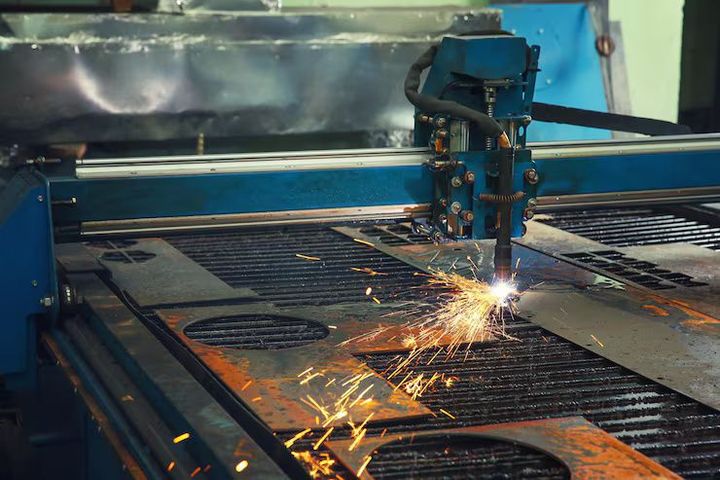
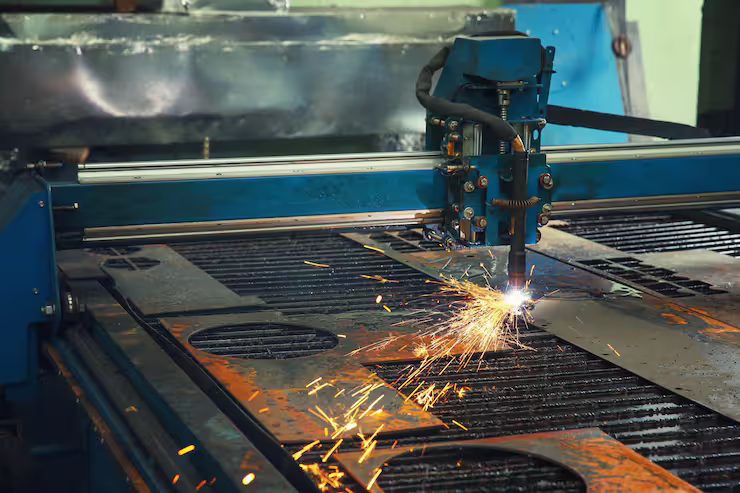
Plasma cutting machines are advanced tools used to cut electrically conductive materials such as steel, aluminum, brass, and copper. These machines use a high-velocity jet of ionized gas, known as plasma, to melt and remove material with precision. The process combines heat and electrical conductivity, making it highly effective for industrial and fabrication tasks.
Plasma is often referred to as the fourth state of matter. When gas is heated to extremely high temperatures, it becomes ionized and capable of conducting electricity. Plasma cutting machines use this principle to generate a high-temperature plasma arc that can exceed 20,000°C for precise cutting.
This technology emerged in the mid-20th century as industries needed faster and more efficient cutting solutions. Today, it is widely used across manufacturing, construction, and metal fabrication sectors.
Importance – Why Plasma Cutting Machines Matter Today
Plasma cutting machines are essential in modern industries because they combine speed, precision, and efficiency. They help businesses improve productivity while reducing operational costs.
Key Benefits
- High precision cutting for complex shapes
- Faster processing compared to traditional methods
- Versatility across different conductive metals
- Reduced material waste and improved efficiency
- Compatibility with CNC systems for automation
Industries That Rely on Plasma Cutting
- Automotive manufacturing and repair
- Aerospace engineering
- Construction and infrastructure
- Shipbuilding and marine industries
- Metal fabrication workshops
Common Problems It Solves
- Inefficient manual cutting processes
- Inconsistent cutting quality
- High labor dependency
- Production delays
Comparison of Cutting Methods
Different cutting technologies serve different industrial needs. Plasma cutting stands out for its balance between speed, precision, and cost.
| Feature | Plasma Cutting | Laser Cutting | Oxy-Fuel Cutting |
|---|---|---|---|
| Material Type | Conductive metals | Metals & non-metals | Steel primarily |
| Speed | High | Very High | Moderate |
| Precision | High | Very High | Medium |
| Thickness Capability | Medium to High | Low to Medium | Very High |
| Automation | Easy (CNC) | Advanced CNC | Limited |
This comparison shows that plasma cutting is ideal for medium to heavy industrial applications where both speed and efficiency are required.
Recent Updates – Trends and Developments (2025–2026)
The plasma cutting industry has evolved rapidly due to advancements in automation and digital technologies. These improvements focus on efficiency, sustainability, and smarter operations.
Key Trends
- Integration with smart manufacturing and IoT systems
- Improved energy-efficient plasma systems
- AI-based cutting optimization for better accuracy
- Growth of portable plasma cutting machines
Efficiency Improvements Over Time
| Year | Average Cutting Speed (mm/min) | Energy Consumption (kWh) |
|---|---|---|
| 2023 | 1200 | 15 |
| 2025 | 1500 | 12 |
| 2026 | 1700 | 10 |
These figures highlight steady improvements in both performance and energy efficiency.
Laws or Policies – Regulations and Compliance
Plasma cutting machines must comply with safety and environmental regulations to protect workers and reduce emissions. These rules vary by country but follow common safety principles.
Regulations in India
- Factories Act, 1948 ensures safe working conditions
- Occupational Safety, Health and Working Conditions Code (2020) sets updated safety standards
- Pollution Control Board guidelines regulate fumes and emissions
International Standards
- ISO 9013 for thermal cutting quality
- OSHA guidelines for workplace safety (USA)
- CE certification for safety and environmental compliance in Europe
Key Compliance Requirements
- Proper ventilation systems
- Use of personal protective equipment (PPE)
- Regular maintenance of machines
- Noise and emission control measures
Tools and Resources – Useful Technologies and Platforms
Various tools and resources support the efficient use of plasma cutting machines. These tools help improve accuracy, automation, and safety.
Software Tools
- CAD (Computer-Aided Design) for creating designs
- CAM (Computer-Aided Manufacturing) for machine instructions
- CNC control software for automation
Online Resources
- Educational platforms with tutorials
- Industry forums for troubleshooting
- Manufacturer documentation
Measurement and Calculation Tools
- Material thickness calculators
- Cutting speed estimators
- Energy consumption trackers
Templates and Guides
- Safety checklists
- Maintenance schedules
- Workflow optimization templates
FAQs – Common Questions About Plasma Cutting Machines
What materials can plasma cutting machines cut?
Plasma cutting machines are designed for conductive materials such as steel, stainless steel, aluminum, brass, and copper.
How is plasma cutting different from laser cutting?
Plasma cutting is faster and better suited for thick metals, while laser cutting provides higher precision and can handle a wider range of materials.
Is plasma cutting safe?
Yes, it is safe when proper precautions are followed. Operators must use protective gear and ensure proper ventilation.
Can plasma cutting be automated?
Yes, plasma cutting machines can be integrated with CNC systems for automated and highly precise operations.
Does plasma cutting produce emissions?
Yes, it produces fumes and noise. Proper filtration and ventilation systems are required to minimize environmental impact.
Conclusion
Plasma cutting machines play a critical role in modern industrial processes by offering speed, precision, and flexibility. Their ability to integrate with advanced technologies makes them highly valuable in today’s manufacturing landscape.
As innovations such as AI optimization and smart manufacturing continue to evolve, plasma cutting will remain a key technology. Understanding its applications, benefits, and regulations helps ensure safe and efficient usage across industries.