Plastic Extrusion Process Overview: Learn Core Concepts and Details
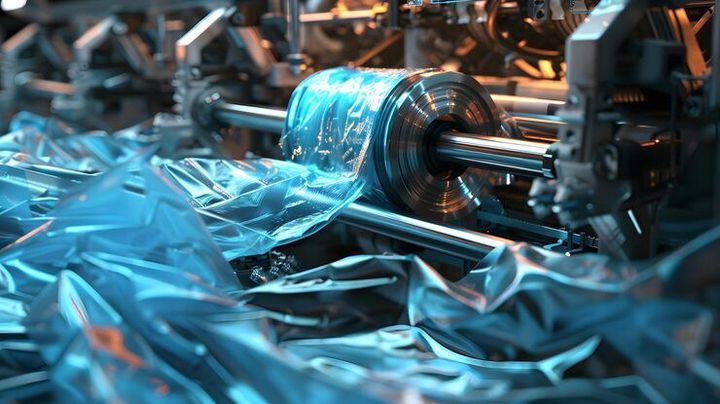
Plastic extrusion is one of the most widely used manufacturing methods for shaping plastic materials into continuous profiles. It plays a vital role in producing everyday items such as pipes, sheets, films, and insulation coatings. The process is valued for its efficiency, consistency, and ability to handle a wide range of materials.
Understanding the core concepts of plastic extrusion helps learners and professionals grasp how raw plastic becomes functional products. This overview explains the process, key components, materials, and practical insights in a clear and structured way.
How Plastic Extrusion Works
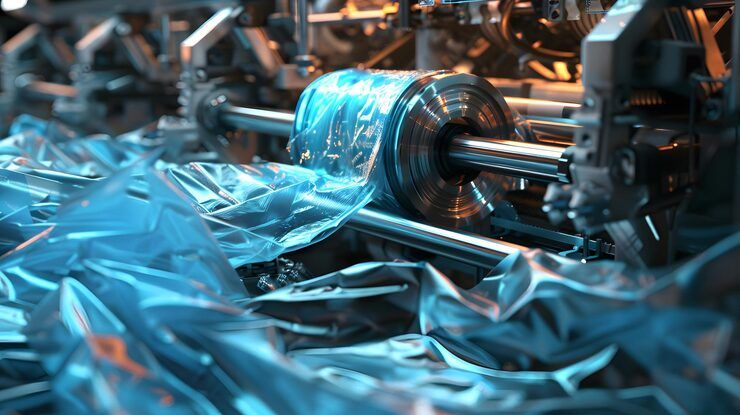
Plastic extrusion is a continuous process where raw plastic material is melted and forced through a shaped die. The output takes the form of a long product with a consistent cross-section.
The basic steps include:
- Feeding raw plastic pellets into a hopper
- Melting the material using heat and friction
- Pushing the molten plastic through a die
- Cooling and solidifying the shaped product
- Cutting or winding the final output
The process is continuous, which makes it highly efficient for large-scale production. Unlike molding methods, extrusion does not produce individual parts but rather long, uniform shapes.
Key Components of an Extrusion System
An extrusion system consists of several essential parts that work together to shape the material. Each component has a specific function that contributes to the final product quality.
Extruder Machine
The extruder is the core machine where melting and mixing occur. It includes a rotating screw inside a heated barrel. The screw moves the material forward while generating heat through friction.
Hopper
The hopper is the entry point where raw plastic pellets are loaded. It feeds material into the barrel at a controlled rate.
Barrel and Heating System
The barrel surrounds the screw and contains heating elements. These heaters gradually raise the temperature of the plastic to its melting point.
Die
The die shapes the molten plastic into the desired profile. Different die designs produce different products such as tubes, sheets, or films.
Cooling System
After exiting the die, the plastic must cool and solidify. Cooling methods include air cooling or water baths depending on the product type.
Puller and Cutter
The puller ensures consistent movement of the extruded product, while the cutter trims it into required lengths.
Types of Plastic Materials Used
Different plastic materials are used in extrusion depending on the application. Each material has unique properties that affect processing and final performance.
Common materials include:
- Polyethylene (PE): Flexible and widely used for films and pipes
- Polypropylene (PP): Known for strength and chemical resistance
- Polyvinyl chloride (PVC): Common in construction products
- Polystyrene (PS): Used for lightweight applications
- Acrylonitrile butadiene styrene (ABS): Durable and impact-resistant
Material selection depends on factors such as strength, flexibility, temperature resistance, and end-use requirements.
Types of Extrusion Processes
Plastic extrusion can be categorized into different types based on the product and method used. Each type serves specific industrial needs.
Pipe Extrusion
Pipe extrusion is used to create hollow tubes for plumbing, drainage, and industrial systems. The process ensures uniform wall thickness and strength.
Film Extrusion
Film extrusion produces thin plastic films used in packaging and wrapping. It includes techniques like blown film extrusion and cast film extrusion.
Sheet Extrusion
Sheet extrusion creates flat plastic sheets used in thermoforming and fabrication. These sheets can vary in thickness depending on the application.
Profile Extrusion
Profile extrusion produces complex shapes such as window frames, seals, and decorative trims. The die design plays a critical role in shaping these profiles.
Process Parameters and Their Importance
Several parameters influence the efficiency and quality of the extrusion process. Controlling these variables ensures consistent results.
Key parameters include:
- Temperature: Must be carefully controlled to avoid overheating or incomplete melting
- Screw speed: Affects material flow and mixing
- Pressure: Ensures proper shaping through the die
- Cooling rate: Impacts product strength and surface finish
Improper control of these factors can lead to defects such as warping, uneven thickness, or surface irregularities.
Advantages of Plastic Extrusion
Plastic extrusion offers several benefits that make it a preferred manufacturing method.
- Continuous production enables high output
- Suitable for complex cross-sectional shapes
- Minimal material waste compared to other processes
- Ability to use recycled materials
- Consistent product quality over long runs
These advantages make extrusion ideal for industries such as construction, packaging, automotive, and consumer goods.
Limitations of the Process
Despite its benefits, plastic extrusion has some limitations that should be considered.
- Limited to products with uniform cross-sections
- Initial setup requires precise die design
- Not suitable for highly intricate 3D shapes
- Cooling variations can affect product consistency
Understanding these limitations helps in selecting the right manufacturing method for specific applications.
Common Applications of Plastic Extrusion
Plastic extrusion is used across many industries due to its versatility and efficiency.
Typical applications include:
- Pipes and tubing for water and gas systems
- Plastic films for packaging and storage
- Sheets for construction and fabrication
- Insulation coatings for electrical wires
- Window frames and structural profiles
These applications highlight the importance of extrusion in modern manufacturing and infrastructure.
Process Flow Summary Table
Below is a simple table summarizing the key stages of the plastic extrusion process:
| Stage | Description |
|---|---|
| Feeding | Raw plastic pellets enter through the hopper |
| Melting | Heat and friction melt the material |
| Mixing | Screw ensures uniform consistency |
| Shaping | Molten plastic passes through the die |
| Cooling | Product solidifies using air or water |
| Finishing | Cutting or winding completes the process |
This structured flow helps in understanding how each stage contributes to the final product.
Tips for Learning Plastic Extrusion
If you are new to plastic extrusion, focusing on the fundamentals will make learning easier.
- Start by understanding material properties
- Study the role of each machine component
- Observe real-world applications and products
- Learn how process parameters affect outcomes
- Practice analyzing defects and their causes
These steps provide a strong foundation for mastering extrusion concepts.
Future Trends in Plastic Extrusion
The plastic extrusion industry continues to evolve with new technologies and innovations. Sustainability and efficiency are becoming key focus areas.
Emerging trends include:
- Increased use of recycled and biodegradable plastics
- Advanced automation and monitoring systems
- Energy-efficient extrusion equipment
- Improved die designs for precision and performance
These developments aim to enhance productivity while reducing environmental impact.
Conclusion
Plastic extrusion is a fundamental manufacturing process that transforms raw plastic into useful products with consistent shapes. Its continuous nature, versatility, and efficiency make it essential across multiple industries.
By understanding the core concepts, components, materials, and process parameters, learners can gain valuable insights into how extrusion works. This knowledge forms a strong base for further exploration and practical application in the field of plastic manufacturing.