Pollution Control Board NOC Guide for Manufacturing Units
A Pollution Control Board No Objection Certificate (NOC) is an environmental approval that manufacturing units often need before establishing or operating industrial activities. The purpose of this approval is to ensure that industrial operations follow environmental standards and do not create excessive pollution that may affect public health, water resources, air quality, or surrounding ecosystems.
Industrial development plays a major role in economic growth, but it can also create environmental challenges if proper safeguards are not followed. Governments establish environmental regulations to balance industrial growth with environmental protection. Pollution Control Boards are responsible for monitoring industrial activities and ensuring compliance with environmental standards.
Manufacturing facilities may generate emissions, wastewater, solid waste, noise, or hazardous by-products during production. The NOC process helps regulatory authorities evaluate these potential impacts before granting permission for industrial operations.
The approval process generally involves reviewing project details, pollution control measures, waste management systems, and environmental protection plans. Depending on the industry category and location, different levels of environmental scrutiny may apply.
Typical Stages in the NOC Process
| Stage | Purpose |
|---|---|
| Application Submission | Providing project and environmental details |
| Document Verification | Reviewing technical and legal documents |
| Site Assessment | Evaluating environmental conditions |
| Compliance Review | Checking pollution control arrangements |
| Approval Decision | Granting environmental clearance or consent |
Why Pollution Control Board NOC Matters Today
Environmental protection has become increasingly important due to rapid industrialization, urban expansion, and growing public awareness about sustainability. Pollution Control Board NOCs help create accountability and encourage responsible industrial practices.
Manufacturing industries are directly affected because environmental approvals often form part of the compliance framework required before operations begin. Communities living near industrial areas also benefit because environmental assessments help reduce risks associated with pollution.
Several challenges can arise when environmental controls are not properly implemented. These include:
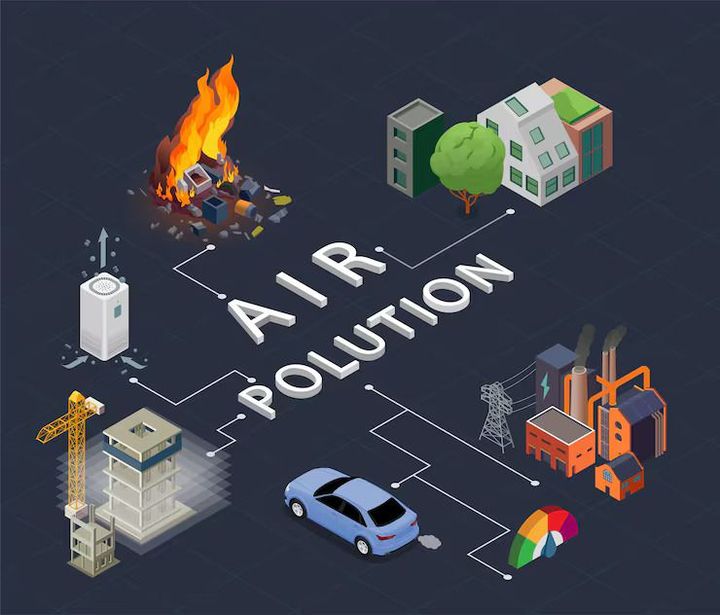
- Air pollution affecting nearby populations
- Water contamination impacting local water sources
- Improper disposal of industrial waste
- Soil degradation
- Noise pollution from manufacturing activities
- Increased environmental and regulatory risks
The NOC framework helps address these issues by encouraging industries to adopt pollution prevention measures rather than reacting after environmental damage occurs.
Benefits of Environmental Compliance
| Area | Positive Impact |
| Air Quality | Reduced emissions |
| Water Resources | Better wastewater management |
| Public Health | Lower exposure to pollutants |
| Ecosystems | Protection of natural habitats |
| Industrial Governance | Improved compliance monitoring |
In today's environmentally conscious business environment, environmental compliance has become a fundamental aspect of responsible manufacturing operations.
Recent Updates and Trends in Environmental Compliance
Over the past year, several trends have influenced environmental regulation and industrial compliance practices.
Increased Digitalization of Applications
Throughout 2025 and into 2026, many regulatory authorities continued expanding online application systems. Digital portals have simplified document submission, status tracking, and communication between industries and environmental authorities.
Greater Focus on Sustainability
Environmental agencies have increasingly emphasized sustainability practices such as:
- Resource efficiency
- Water conservation
- Waste minimization
- Energy management
- Circular economy principles
Manufacturing facilities are paying closer attention to pollution prevention strategies rather than relying solely on corrective measures.
Enhanced Monitoring Technologies
Recent advancements in environmental monitoring systems have improved the ability to track:
- Air emissions
- Wastewater discharge
- Hazardous waste handling
- Environmental performance indicators
Automated monitoring and reporting systems are becoming more common across various industrial sectors.
Stronger Environmental Reporting Requirements
Many industries have experienced increased expectations regarding environmental documentation and reporting. Regulatory bodies continue encouraging transparency and improved record-keeping practices.
Environmental Compliance Trend Overview
| Trend | Growing Importance |
| Digital Applications | High |
| Sustainability Reporting | High |
| Pollution Prevention | High |
| Environmental Monitoring | Very High |
| Waste Management Planning | High |
These developments reflect a broader shift toward proactive environmental management across manufacturing industries.
Laws and Policies Governing Pollution Control Board NOC
Environmental approvals are generally influenced by various national and state-level environmental regulations. While requirements may vary depending on the location and industry type, several key legal frameworks commonly guide pollution control activities.
Water Pollution Regulations
Water pollution laws aim to prevent contamination of rivers, lakes, groundwater, and other water resources. Manufacturing units must demonstrate appropriate wastewater treatment and disposal practices.
Air Pollution Regulations
Air quality regulations focus on controlling industrial emissions that may impact public health and the environment. Industries may need to install emission control systems and maintain prescribed standards.
Environmental Protection Frameworks
Environmental protection regulations often provide overarching authority for environmental monitoring, compliance enforcement, and pollution control measures.
Waste Management Requirements
Industries may be required to follow guidelines related to:
- Hazardous waste management
- Industrial waste disposal
- Recycling and recovery practices
- Storage and transportation procedures
Industry Categorization
Many environmental authorities classify industries into different categories based on pollution potential. This categorization helps determine the level of environmental review and monitoring required.
Common Compliance Areas
| Compliance Area | Purpose |
| Air Emissions | Protect air quality |
| Wastewater Control | Protect water resources |
| Hazardous Waste Management | Reduce environmental risks |
| Noise Control | Minimize community impact |
| Environmental Monitoring | Ensure ongoing compliance |
Understanding applicable regulations helps manufacturing units maintain environmental responsibility and regulatory compliance.
Helpful Tools and Resources for Environmental Compliance
Several resources can help industries better understand environmental obligations and prepare documentation efficiently.
Environmental Compliance Checklists
Compliance checklists help organizations track required documents, permits, and environmental obligations.
Emission Calculation Tools
Emission estimation tools assist in evaluating potential environmental impacts from manufacturing processes.
Waste Management Templates
Documentation templates can support waste tracking, disposal records, and environmental reporting.
Environmental Monitoring Systems
Monitoring solutions help track environmental performance indicators and maintain accurate records.
Geographic Information Systems
Mapping and location-analysis tools help assess environmental conditions around manufacturing sites.
Learning Resources
Industries often benefit from:
- Environmental compliance guides
- Technical manuals
- Regulatory updates
- Industry best-practice documents
- Environmental management training materials
Resource Overview
| Resource Type | Purpose |
| Compliance Checklists | Regulatory tracking |
| Monitoring Systems | Performance measurement |
| Calculation Tools | Environmental assessment |
| Reporting Templates | Documentation support |
| Training Materials | Knowledge development |
Using these resources can improve understanding of environmental responsibilities and support better compliance practices.
Frequently Asked Questions
What is a Pollution Control Board NOC?
A Pollution Control Board NOC is an environmental approval that helps ensure industrial activities comply with environmental regulations related to air pollution, water pollution, waste management, and environmental protection.
Which manufacturing units typically require environmental approval?
Requirements vary depending on industry type, production processes, location, and pollution potential. Manufacturing units that generate emissions, wastewater, or industrial waste often require environmental permissions.
What documents are commonly required during the application process?
Common documents may include project reports, site details, manufacturing process information, environmental management plans, waste management details, and supporting regulatory documents.
How long does the review process usually take?
Processing timelines vary depending on industry category, documentation completeness, regulatory requirements, and project complexity. Authorities may also conduct inspections or request additional information.
Why is environmental compliance important for manufacturing industries?
Environmental compliance helps protect public health, conserve natural resources, reduce pollution risks, and support sustainable industrial development.
Conclusion
Pollution Control Board NOC procedures play an important role in balancing industrial growth with environmental protection. By evaluating potential environmental impacts before manufacturing activities begin, regulatory authorities help ensure responsible industrial development.