Rail Grinding Machines Guide: Basics, Uses, and Key Insights for Beginners
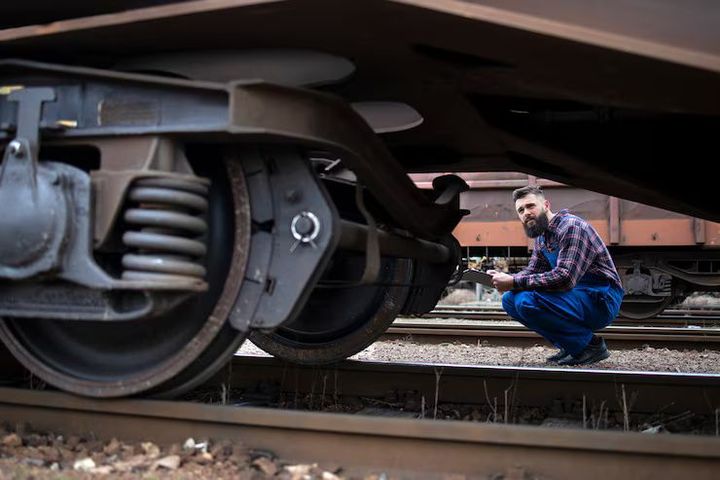
Rail grinding machines are specialized railway maintenance equipment used to restore and maintain the surface of steel rails. Over time, train movement causes wear, deformation, and surface defects such as cracks, corrugation, and uneven profiles. Rail grinding machines exist to correct these issues and extend the lifespan of railway tracks.
Rail grinding machines are specialized equipment used to maintain railway tracks by removing a thin layer of metal from the rail surface. They use rotating grinding stones or abrasive wheels to restore a smooth and uniform rail profile.
This process is essential for ensuring safe and efficient train operations. A properly maintained rail surface reduces wear, improves ride quality, and extends the lifespan of railway infrastructure.
Rail grinding is commonly performed on:
- High-speed rail networks
- Freight railway corridors
- Urban metro systems
- Industrial rail tracks
Types of Rail Grinding Machines
Different types of rail grinding machines are used depending on the scale and purpose of maintenance. Each type is designed to handle specific operational needs.
- Manual handheld grinders for localized repairs
- Self-propelled grinding vehicles for large-scale maintenance
- High-production rail grinders with multiple grinding heads
Modern machines often include automation and digital monitoring systems. These features help ensure consistent grinding quality and improve operational efficiency.
Why Rail Grinding Machines Matter in Modern Railway Systems
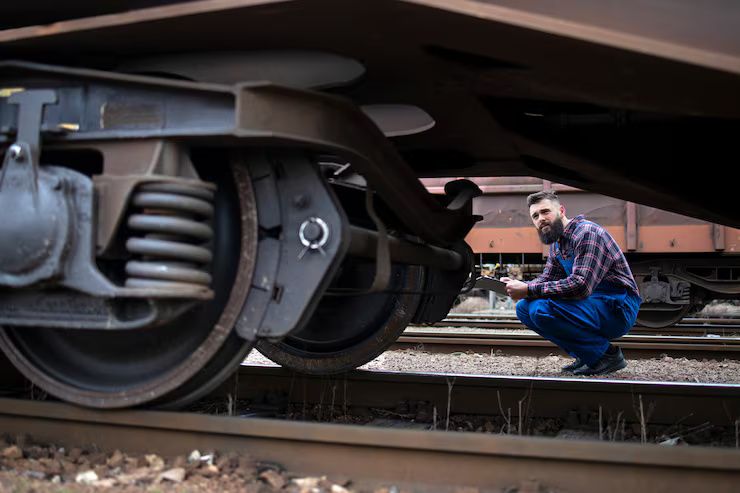
Rail grinding machines play a critical role in maintaining railway safety and reliability. As global rail traffic increases, maintaining track quality becomes more important than ever.
Railways are widely used for both passenger and freight transportation. High-speed and urban transit systems especially require smooth and stable tracks for optimal performance.
Key Importance
- Ensures smooth rail surfaces for high-speed trains
- Supports reliable urban transit operations
- Handles heavy loads in freight corridors
- Reduces long-term maintenance costs
Rail defects can cause several operational issues:
- Increased vibration and noise
- Reduced passenger comfort
- Higher maintenance frequency
- Risk of derailments in extreme cases
How Rail Grinding Helps
Rail grinding addresses these challenges through preventive maintenance techniques.
- Restores the correct rail profile
- Removes surface cracks early
- Reduces wheel-rail friction
- Improves energy efficiency of trains
It also supports predictive maintenance strategies. Operators can schedule grinding before visible damage occurs, reducing unexpected failures.
Recent Developments and Trends in Rail Grinding Technology
Rail grinding technology in 2025 focuses on automation, precision, and sustainability. New systems are designed to improve performance while reducing environmental impact.
Key Trends
- Automated rail grinding systems with real-time monitoring
- Use of artificial intelligence for defect detection
- Energy-efficient machines with lower emissions
- Adoption of digital twin technology for analysis
Many railway authorities have introduced smart maintenance programs. These systems combine grinding data with track monitoring to optimize maintenance schedules.
High-speed grinding trains are also gaining popularity. They allow maintenance of long rail networks with minimal disruption to operations.
Sustainability Focus
- Reduced noise pollution
- Lower material waste
- Improved energy efficiency
Hybrid maintenance strategies are also emerging. These combine grinding with techniques like rail milling and ultrasonic inspection.
Regulations and Policies Affecting Rail Grinding Machines
Rail grinding operations are governed by strict safety and environmental regulations. These rules ensure reliable and secure railway maintenance practices.
Key Regulatory Areas
- Railway safety standards
- Equipment operation guidelines
- Environmental compliance
- Worker safety protocols
In India, railway maintenance follows standards set by Indian Railways. These guidelines ensure safe operations without disrupting train schedules.
Internationally, organizations such as the International Union of Railways (UIC) provide global guidelines. These help maintain consistency across railway systems worldwide.
Environmental and Safety Requirements
- Control of metal dust emissions
- Noise level management
- Proper waste disposal
- Use of protective equipment
- Operator training and machine safety
Tools and Resources for Rail Grinding and Maintenance
Railway maintenance relies on a combination of digital tools and technical systems. These tools improve accuracy, efficiency, and decision-making.
Common Tools
- Rail profile measurement systems
- Track geometry analysis software
- Predictive maintenance platforms
- CNC-based grinding control systems
- Vibration monitoring tools
- Data analytics dashboards
Data and File Systems
- Rail profile data files
- Maintenance scheduling logs
- Sensor-based monitoring reports
Rail Maintenance Methods Comparison
| Maintenance Method | Purpose | Application Area |
|---|---|---|
| Rail Grinding | Surface correction | Routine maintenance |
| Rail Milling | Deep defect removal | Severe rail damage |
| Ultrasonic Testing | Internal crack detection | Safety inspection |
| Lubrication Systems | Reduce friction and wear | Curved track sections |
Basic Workflow
- Inspect rail condition using sensors or manual checks
- Analyze rail profile data
- Plan grinding schedule
- Execute grinding process
- Perform post-grinding inspection
Integrated software platforms are increasingly used. They combine inspection data with maintenance planning for better results.
Frequently Asked Questions
What is the main function of a rail grinding machine?
A rail grinding machine restores the rail surface by removing irregularities. This ensures safe and smooth train operation.
How often is rail grinding performed?
The frequency depends on traffic levels and track conditions. High-traffic routes require more frequent maintenance.
What is the difference between rail grinding and rail milling?
Rail grinding removes a thin surface layer for maintenance. Rail milling removes deeper material to repair significant damage.
Why is rail profile important?
The rail profile affects how train wheels interact with the track. A correct profile ensures smooth movement and reduces wear.
Are rail grinding machines automated?
Many modern machines include automation features. These include sensors, CNC controls, and real-time monitoring systems.
Additional Insights and Technical Overview
Rail grinding machines often include multiple grinding heads. Each head targets a specific part of the rail to ensure uniform material removal.
Key Machine Features
- Adjustable grinding angles
- Automated pressure control
- Onboard diagnostic systems
- GPS-based tracking for maintenance planning
Operational Focus Areas
| Focus Area | Priority Level |
|---|---|
| Rail Surface Precision | High |
| Automation Integration | High |
| Environmental Compliance | Moderate |
| Manual Intervention | Low |
Railway operators increasingly use data-driven strategies. Combining sensor data with grinding operations helps predict wear and optimize maintenance schedules.
Conclusion
Rail grinding machines are essential for modern railway maintenance. They help maintain safe, efficient, and durable tracks under growing transportation demands.
Advancements in automation, artificial intelligence, and sustainability have improved the precision and effectiveness of rail grinding. These technologies make maintenance more proactive and reliable.
As railway networks continue to expand, rail grinding machines will remain a key component of infrastructure management. They ensure long-term performance and support global transportation systems.