Scissor Lift Guide: Discover Basics, Safety, and Industrial Applications Today
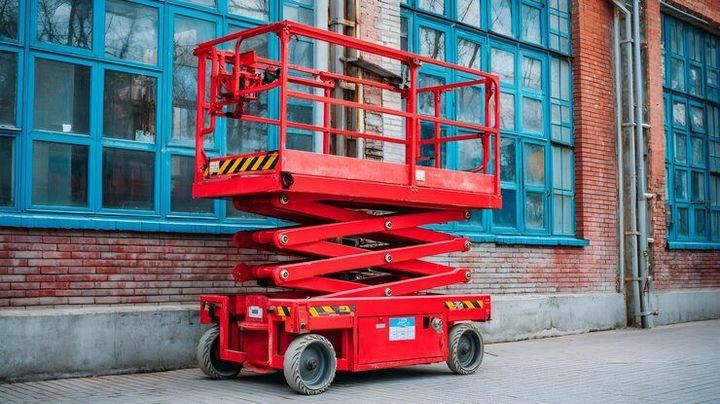
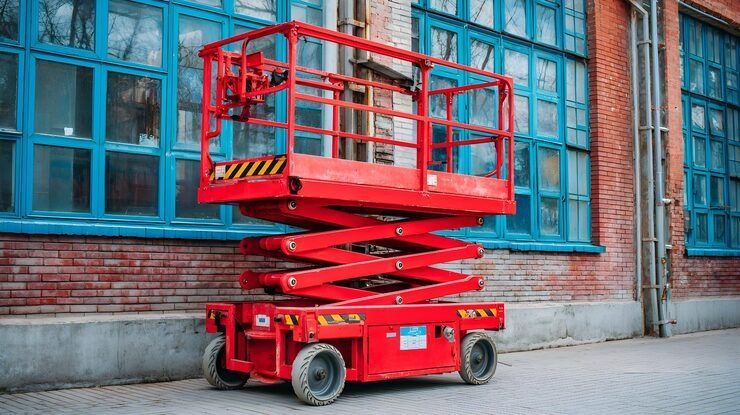
A scissor lift is a type of mechanical platform used to raise workers and materials vertically. It gets its name from the crisscrossing metal supports beneath the platform, which expand and contract like a pair of scissors. These machines are widely used in construction, maintenance, warehousing, and industrial environments where height access is required.
The concept of vertical lifting equipment has existed for decades, evolving from simple hydraulic systems to advanced electric and hybrid models. Today, scissor lifts are designed with improved safety features, better energy efficiency, and greater load capacities.
They typically operate using hydraulic, pneumatic, or electric mechanisms. Electric scissor lifts are often used indoors due to low emissions, while diesel-powered versions are more suitable for outdoor, heavy-duty applications.
Their stable platform and straightforward controls make them a preferred choice for tasks requiring precision and safety at height.
Why Scissor Lifts Are Important Today
Scissor lifts play a critical role in modern infrastructure and industrial development. As urbanization and construction projects continue to grow globally, the demand for safe and efficient vertical access solutions has increased significantly.
Key Benefits
- Provide a safer alternative to ladders and scaffolding
- Reduce fall-related workplace incidents
- Improve task efficiency with stable platforms
- Offer versatility across multiple industries
- Enable access to difficult or elevated areas
Industry Applications
| Industry | Use Case |
|---|---|
| Construction | Installing ceilings, electrical work |
| Warehousing | Stock management at height |
| Facility Management | Cleaning, repairs, maintenance |
| Manufacturing | Assembly line support |
Scissor lifts enhance productivity while addressing safety concerns across various sectors.
Recent Updates and Industry Trends
The scissor lift industry has seen significant advancements in recent years. As of 2025, the focus has shifted toward sustainability, automation, and smart technologies.
Key Trends
-
Electric and Hybrid Models Growth (2024–2025)
Increased adoption due to environmental concerns and stricter emission regulations -
Smart Control Systems
Integration of digital dashboards, remote diagnostics, and IoT-enabled monitoring -
Enhanced Safety Features
Inclusion of automatic braking systems, tilt sensors, and overload protection -
Compact Designs
Development of lightweight models suitable for indoor and confined spaces -
Global Market Expansion
Rising demand in regions like Asia-Pacific, including India
These trends reflect a broader move toward efficiency, safety, and environmental responsibility.
Laws and Policies Affecting Scissor Lifts
The operation of scissor lifts is regulated by workplace safety laws and industrial standards. These regulations ensure safe handling and reduce operational risks.
Key Regulations in India
-
Factories Act, 1948
Ensures safe working conditions in industrial environments -
Occupational Safety, Health and Working Conditions Code, 2020
Focuses on worker safety, including lifting equipment -
Bureau of Indian Standards (BIS)
Provides safety and design guidelines -
Training and Certification Requirements
Operators must be trained for safe usage
Common Safety Guidelines
- Conduct regular equipment inspections
- Use personal protective equipment (PPE)
- Follow load capacity limits
- Operate on stable ground
Global standards like OSHA (USA) and CE certifications (Europe) also influence usage practices.
Tools and Resources for Understanding Scissor Lifts
Various tools and resources help individuals and organizations manage scissor lift operations effectively. These resources support safety, compliance, and operational efficiency.
Digital Tools
- Equipment safety training platforms
- Maintenance tracking software
- Load capacity calculators
- Mobile inspection apps
Educational Resources
- Industry manuals and guidelines
- Online workplace safety courses
- Government safety portals
- Manufacturer technical documentation
Templates and Checklists
- Daily inspection checklists
- Risk assessment templates
- Safety compliance forms
These tools enhance decision-making and ensure adherence to safety standards.
Key Features of Scissor Lifts
Understanding the main components helps users operate scissor lifts effectively. Each feature contributes to safety, stability, and usability.
| Feature | Description |
|---|---|
| Platform | Area where workers stand |
| Scissor Mechanism | Crisscross structure for lifting |
| Power Source | Electric, hydraulic, or diesel |
| Control Panel | Operates lift movement |
| Safety Rails | Prevents falls from the platform |
Frequently Asked Questions (FAQs)
What is the main purpose of a scissor lift?
A scissor lift provides safe vertical access for workers and materials at elevated heights. It is widely used in construction, maintenance, and warehousing.
How is a scissor lift different from other lifts?
Unlike boom lifts, scissor lifts move strictly vertically. This makes them more stable and suitable for tasks requiring straight upward reach.
Are scissor lifts safe to use?
Yes, when operated correctly and in compliance with safety guidelines. Modern models include guardrails, emergency stop buttons, and overload protection.
What types of scissor lifts are available?
Common types include electric lifts for indoor use, diesel-powered lifts for outdoor work, and hybrid models.
Do operators need training?
Yes, proper training is essential to understand controls, safety procedures, and load limits.
Conclusion
Scissor lifts are essential tools in modern industries, offering safe and efficient solutions for working at height. Their design and technological improvements make them indispensable in construction, maintenance, and logistics.
As industries continue to prioritize safety and sustainability, scissor lifts are evolving with smarter and more eco-friendly features. Understanding their functionality and regulations ensures responsible use.
With the right knowledge and adherence to safety practices, scissor lifts can significantly enhance productivity while maintaining a secure working environment.