Smart Farming Tools Guide: Essential Equipment and Technology for Modern Agriculture
Agriculture has changed significantly over the past few decades as digital technologies have become more common in farming operations.
Traditional farming methods often rely on manual observation and experience, while modern agriculture increasingly uses data, sensors, automation, and connected devices to support decision-making. These developments have contributed to the growth of smart farming tools that help farmers monitor crops, manage resources, and improve operational efficiency.
The concept of smart farming emerged from the combination of agriculture and information technology. Advances in satellite positioning, wireless communication, cloud computing, and data analytics created opportunities to collect and analyze information directly from fields and farming environments. As a result, farmers can access detailed information about soil conditions, weather patterns, crop health, and equipment performance.
Many modern farms now use precision agriculture technology to apply resources more accurately. Rather than treating an entire field the same way, farmers can identify differences within specific areas and respond accordingly. This approach aims to support more efficient use of water, fertilizer, and other inputs.
Smart farming equipment includes a wide range of technologies, from automated tractors and irrigation controls to sensors and aerial monitoring devices. These tools are designed to support farming activities across different types of agricultural operations, including crop production, greenhouse cultivation, and livestock management.
As technology continues to develop, precision farming tools are becoming part of everyday agricultural practices in many regions. Their role is not limited to large-scale farms, as some technologies are also being adapted for smaller agricultural operations.
Importance
Addressing Resource Management Challenges
Agriculture depends heavily on natural resources such as water, soil, and energy. Efficient resource management has become increasingly important due to changing environmental conditions and growing demand for food production.
Smart irrigation systems help farmers monitor soil moisture and weather conditions to determine when irrigation is needed. This approach can reduce unnecessary water use while supporting crop growth. By applying water based on actual field conditions, farmers can better manage available resources.
Supporting Crop Health Monitoring
Monitoring crop health across large areas can be challenging when relying solely on visual inspections. Crop monitoring technology provides additional information through sensors, cameras, and aerial imaging systems.
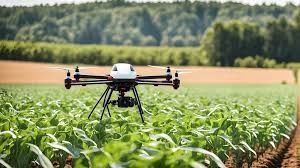
Drone farming technology allows farmers to observe field conditions from above. Images collected by drones can help identify variations in plant growth, irrigation issues, or areas affected by pests and diseases. This information supports more informed decision-making during the growing season.
Improving Operational Efficiency
Agricultural automation systems are designed to reduce repetitive manual tasks and improve consistency in farm operations. Examples include automated irrigation controls, robotic harvesting equipment, and self-guided machinery.
Automated farming equipment can perform specific tasks with a high level of accuracy. By automating routine activities, farmers may spend more time analyzing field conditions and planning future operations.
Enhancing Data-Driven Agriculture
Modern farms generate large amounts of information from weather stations, sensors, machinery, and satellite systems. Agricultural monitoring systems collect and organize this information for analysis.
Data gathered from smart farm sensors can help farmers understand changing field conditions and identify potential issues before they become larger problems. Access to reliable information supports more informed agricultural management practices.
Recent Updates
Increased Use of Artificial Intelligence
Recent developments in agriculture have included greater use of artificial intelligence and machine learning technologies. These systems can analyze large datasets from sensors, drones, and farm equipment to identify patterns and provide insights about crop performance.
Artificial intelligence tools are increasingly being integrated into precision agriculture technology platforms, helping farmers interpret complex information more efficiently.
Expansion of Connected Sensor Networks
The use of smart farm sensors has continued to expand across agricultural environments. Wireless sensor networks can monitor soil moisture, temperature, humidity, nutrient levels, and environmental conditions in real time.
Improved connectivity allows sensor data to be transmitted more quickly to agricultural management platforms, supporting faster responses to changing field conditions.
Growth of Smart Greenhouse Technology
Smart greenhouse technology has become more sophisticated through the integration of automated climate controls, environmental sensors, and remote monitoring systems.
Greenhouse operators can use technology to track temperature, humidity, lighting, and ventilation conditions. Automated systems can adjust environmental settings based on predefined parameters, supporting stable growing conditions.
Advances in Drone Applications
Drone farming technology continues to evolve with improvements in imaging capabilities and data analysis software. Modern agricultural drones can capture detailed aerial imagery that supports crop assessment and field mapping.
Some drone systems are also being used for targeted agricultural applications such as crop spraying and field surveying, depending on local regulations and operational requirements.
Integration of Multiple Farming Technologies
Many agricultural platforms now combine data from multiple sources, including sensors, drones, machinery, and weather stations. This integration creates a more comprehensive view of farm operations.
The trend toward connected farming systems has increased interest in agricultural automation systems that can communicate across different devices and platforms.
Laws or Policies
Agricultural technology adoption is often influenced by government policies, agricultural development programs, and environmental regulations.
Many countries support digital agriculture initiatives through research programs, training activities, and technology demonstration projects. These initiatives aim to improve agricultural productivity while encouraging responsible resource management.
Drone farming technology is generally subject to aviation regulations. Operators may need to follow rules related to flight permissions, altitude restrictions, and safety requirements. Regulations vary by country and region.
Water management policies can also influence the use of smart irrigation systems. In areas where water conservation is a priority, technology that supports efficient irrigation practices may align with broader environmental objectives.
Data privacy and cybersecurity considerations are becoming increasingly relevant as agricultural monitoring systems collect and store digital information. Some regions have established guidelines regarding data handling, information security, and digital infrastructure.
Environmental regulations may affect the use of automated farming equipment and precision agriculture technology, particularly when these tools are used to manage fertilizers, pesticides, or water resources. Compliance requirements depend on local agricultural and environmental laws.
Tools and Resources
Several tools and resources support the implementation and management of smart farming tools.
| Tool Category | Purpose |
|---|---|
| GPS Mapping Systems | Field mapping and location tracking |
| Farm Management Software | Planning, record keeping, and data analysis |
| Weather Monitoring Platforms | Weather forecasting and environmental monitoring |
| Soil Analysis Tools | Soil condition assessment |
| Irrigation Scheduling Calculators | Water management planning |
| Drone Imaging Platforms | Aerial crop observation and mapping |
| Sensor Management Dashboards | Monitoring data from connected sensors |
| Greenhouse Control Systems | Environmental control and automation |
Farm Management Platforms
Farm management software helps organize information related to crop planning, field activities, equipment tracking, and resource management. Many platforms combine data from multiple sources into a single dashboard.
Weather and Climate Resources
Weather forecasting platforms provide information about rainfall, temperature, wind conditions, and other environmental factors. These resources help farmers plan irrigation, planting, and harvesting activities.
Soil and Crop Monitoring Tools
Crop monitoring technology often works alongside soil analysis tools to provide a more complete understanding of field conditions. These tools help identify trends that may influence crop development.
Agricultural Mapping Applications
Mapping platforms use satellite imagery, drone data, and GPS information to create detailed field maps. These applications support precision farming tools by identifying variations across agricultural land.
Educational Resources
Agricultural universities, government agencies, and research organizations frequently publish guides, reports, and training materials related to smart farming equipment and digital agriculture practices.
FAQs
What are smart farming tools?
Smart farming tools are technologies used to monitor, manage, and automate agricultural activities. Examples include sensors, drones, automated machinery, software platforms, and connected monitoring systems.
How does precision agriculture technology help farmers?
Precision agriculture technology helps farmers collect and analyze field data so resources can be applied more accurately. This may support improved management of water, nutrients, and crop health across different areas of a field.
What are common examples of smart farming equipment?
Common examples include GPS-guided tractors, smart irrigation systems, agricultural monitoring systems, drone-based imaging platforms, and environmental sensors used for field monitoring.
How does drone farming technology support crop management?
Drone farming technology provides aerial images and field data that help identify crop growth patterns, irrigation issues, and areas that may require closer inspection. This information supports agricultural planning and monitoring activities.
What role do smart farm sensors play in agriculture?
Smart farm sensors measure environmental conditions such as soil moisture, temperature, humidity, and nutrient levels. The collected information helps farmers monitor conditions and make data-informed decisions.
Conclusion
Smart farming tools have become an important part of modern agriculture by combining digital technologies with traditional farming practices. Precision agriculture technology, smart farm sensors, agricultural monitoring systems, and automated farming equipment help farmers gather information and manage resources more effectively. Recent developments in connectivity, artificial intelligence, and drone farming technology continue to expand the capabilities of modern agricultural systems. As agriculture evolves, technology is expected to remain an important component of crop production, environmental management, and operational planning.