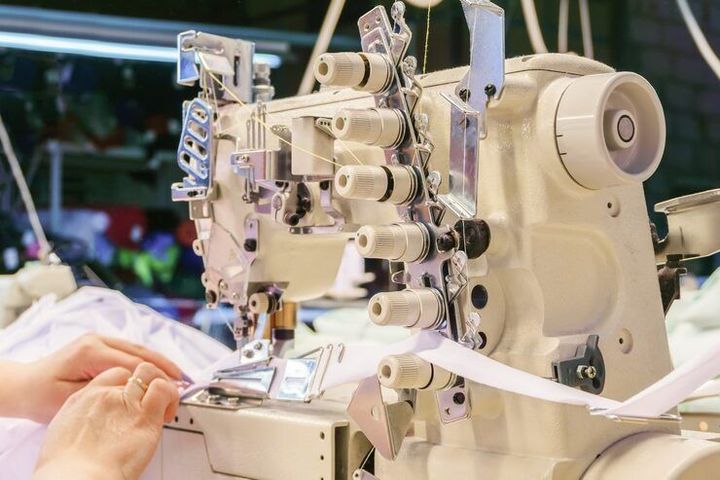
Air Jet Spinning Machines: Modern Textile Technology Guide & Insights
Air jet spinning machines are advanced systems used in textile manufacturing to produce yarn quickly and efficiently. Unlike traditional spinning methods such as ring spinning or rotor spinning, air jet spinning uses compressed air to twist fibers into yarn. This technology was developed to improve speed, consistency, and automation in yarn production.
The basic principle involves drafting fibers and then using high-speed air streams to wrap fibers around a core, forming yarn. This method reduces mechanical contact, which helps in minimizing wear and improving production stability. As the global textile industry continues to modernize, air jet spinning has become an important innovation in high-speed yarn manufacturing.
This technology exists to address the need for faster production cycles, reduced labor dependency, and consistent yarn quality. It is widely used in industries producing apparel, home textiles, and industrial fabrics.
Importance
Air jet spinning machines play a key role in modern textile production due to their efficiency and scalability. The growing demand for high-quality fabrics and rapid production has made this technology highly relevant today.
Key reasons why this technology matters include:
- High production speed: Air jet spinning can produce yarn significantly faster than conventional methods.
- Consistent yarn quality: Reduced mechanical friction ensures uniform yarn structure.
- Lower maintenance needs: Fewer moving parts lead to reduced machine wear.
- Energy efficiency improvements: Modern systems are designed to optimize compressed air usage.
- Automation compatibility: Easily integrates with digital manufacturing systems.
This technology affects a wide range of stakeholders:
- Textile manufacturers aiming to increase productivity
- Engineers and technicians working in industrial automation
- Export-oriented textile sectors focusing on quality standards
- Research institutions studying advanced manufacturing methods
Air jet spinning helps solve common industry challenges such as inconsistent yarn quality, high labor costs, and slower production speeds. It also supports the shift toward smart manufacturing and Industry 4.0.
Working Principle Overview
| Step | Process Description |
|---|---|
| Fiber Feeding | Raw fibers are fed into the drafting system |
| Drafting | Fibers are aligned and stretched |
| Air Jet Twisting | Compressed air wraps fibers around the core |
| Yarn Formation | Continuous yarn is formed and wound |
Comparison of Spinning Technologies
| Feature | Air Jet Spinning | Ring Spinning | Rotor Spinning |
|---|---|---|---|
| Speed | Very High | Low | Medium |
| Yarn Strength | Moderate | High | Moderate |
| Energy Use | Optimized | Higher | Medium |
| Maintenance | Low | High | Medium |
| Automation | High | Low | Medium |
Recent Updates
In the past year, air jet spinning technology has seen several advancements focused on efficiency, sustainability, and digital integration.
- 2025 Developments: Manufacturers introduced improved nozzle designs that enhance airflow efficiency and reduce energy consumption.
- Smart Monitoring Systems: Integration of IoT sensors allows real-time monitoring of yarn quality and machine performance.
- Sustainability Focus: New models are designed to reduce compressed air waste and carbon emissions.
- AI-Based Quality Control: Machine learning tools are increasingly used to detect yarn defects during production.
- April 2026 Trend: Increased adoption of hybrid spinning systems combining air jet and other technologies for specialized fabrics.
These updates reflect a broader shift toward intelligent manufacturing systems where machines are connected, data-driven, and optimized for performance.
Production Efficiency Trend (Illustrative Graph)
Efficiency Level
│
│        ── Air Jet Spinning
│       /
│      /
│     /   ── Rotor Spinning
│    /
│   /
│  /   ── Ring Spinning
│ /
└────────────────────────
        Time & Innovation
Air jet spinning machines are influenced by various regulations and policies, especially in countries with strong textile industries like India.
Key regulatory aspects include:
-
Environmental Regulations:
Governments enforce emission standards and energy efficiency norms for textile machinery to reduce environmental impact. -
Industrial Safety Standards:
Machines must comply with safety guidelines to protect workers from high-speed components and compressed air systems. -
Make in India Initiative:
Encourages domestic manufacturing of advanced textile machinery and supports modernization of textile units. -
Textile Policy 2025 (India):
Focuses on technology upgrades, sustainability, and export competitiveness in the textile sector. -
Energy Efficiency Programs:
Promote the adoption of energy-saving machinery, including advanced spinning technologies.
These policies aim to ensure that textile production remains sustainable, safe, and globally competitive.
Tools and Resources
Several tools and platforms support the use and understanding of air jet spinning technology.
Design and Simulation Tools:
- Textile CAD software for yarn and fabric design
- Fiber simulation tools for analyzing airflow and twist formation
Monitoring and Analytics:
- IoT-based machine monitoring systems
- Data dashboards for production tracking
Educational Resources:
- Textile engineering courses and online learning platforms
- Research journals on advanced spinning technologies
Calculation Tools:
- Yarn count calculators
- Production efficiency calculators
- Energy consumption analysis tools
Technical Documentation:
- Machine manuals and operation guides
- Industry standards documentation
These resources help engineers, students, and manufacturers better understand and optimize air jet spinning processes.
FAQs
What is air jet spinning used for?
Air jet spinning is used to produce yarn for textiles such as clothing, home furnishings, and industrial fabrics. It is especially suitable for high-speed production environments.
How is air jet spinning different from ring spinning?
Air jet spinning uses compressed air to twist fibers, while ring spinning uses mechanical rotation. Air jet spinning is faster but may produce slightly less strong yarn compared to ring spinning.
Is air jet spinning energy efficient?
Modern air jet spinning machines are designed to optimize compressed air usage, making them more energy-efficient compared to older systems.
What types of fibers can be used?
Common fibers include cotton, polyester, and blends. The technology works best with medium to short staple fibers.
Why is this technology important in modern manufacturing?
It supports high-speed production, automation, and consistent quality, which are essential for meeting global textile demand.
Conclusion
Air jet spinning machines represent a significant advancement in textile manufacturing technology. By using compressed air to produce yarn, they offer high speed, consistent quality, and compatibility with modern automation systems. As the textile industry continues to evolve, this technology plays a crucial role in improving efficiency and supporting sustainable production practices.
Recent developments in smart monitoring, energy optimization, and AI-based quality control highlight the growing importance of innovation in this field. Supported by government policies and industry standards, air jet spinning is becoming an essential component of modern textile production systems.