Brick Making Machines Overview: Technology, Production Process, and Industry Uses
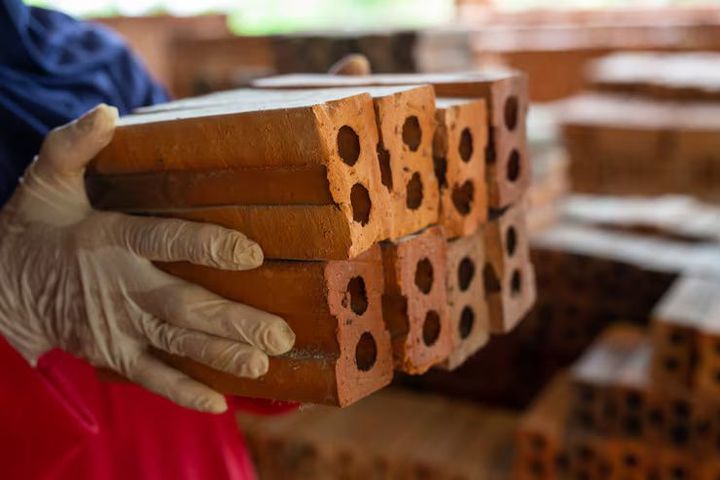
Brick making machines are industrial systems designed to produce bricks using controlled mechanical processes. These machines compress raw materials such as clay, sand, cement, or fly ash into uniform shapes that are later hardened through curing or firing. The goal of brick manufacturing technology is to produce consistent, durable building materials efficiently and with minimal material waste.
Bricks have been used in construction for thousands of years. Traditionally, they were shaped by hand and fired in kilns. Today, modern brick production relies on automated or semi-automated machines that improve accuracy and increase output capacity.
Brick making machines are designed to meet the growing global demand for construction materials. Rapid urbanization and infrastructure expansion require large volumes of uniform and durable bricks. These machines help ensure consistent quality across residential, commercial, and industrial projects.
Types of Brick Making Machines
Different machines are used depending on the raw materials and production methods. Each type serves a specific function in the manufacturing process.
Common Machine Types
- Hydraulic brick making machines
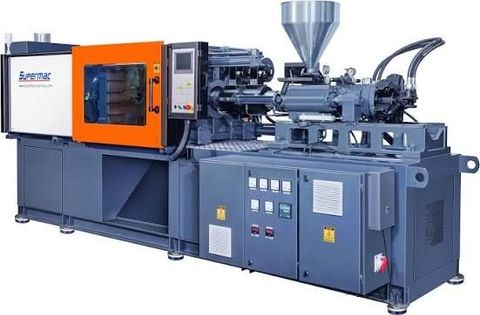
- Automatic brick molding machines
- Fly ash brick manufacturing machines
- Concrete block machines
- Clay brick extrusion machines
These machines are widely used in construction material manufacturing plants worldwide.
Brick Manufacturing Workflow
The brick production process involves several key stages. Each stage ensures that the final product meets strength and durability requirements.
Production Stages
| Production Stage | Description |
|---|---|
| Raw Material Preparation | Mixing clay, cement, sand, or fly ash |
| Molding Process | Compressing material into brick shapes |
| Curing or Drying | Strengthening bricks using heat or moisture control |
| Quality Inspection | Checking dimensions and durability |
Why Brick Making Technology Matters Today
Brick making machines play a critical role in modern construction. As cities expand, the need for durable and standardized materials continues to rise. These machines help meet that demand efficiently.
Key Importance Areas
- Urban development: Supports growing housing and commercial needs
- Infrastructure expansion: Used in roads, schools, and public facilities
- Sustainable construction: Enables eco-friendly materials like fly ash bricks
- Industrial efficiency: Improves production speed and quality control
One major advantage is consistency. Manual brick production often results in uneven shapes, while machines ensure uniform size and density for stronger structures.
Traditional vs Machine-Based Production
| Feature | Traditional Brick Making | Machine-Based Production |
|---|---|---|
| Production Speed | Low | High |
| Shape Consistency | Variable | Highly Consistent |
| Labor Requirement | High | Moderate |
| Quality Control | Limited | Controlled |
Recent Developments in Brick Manufacturing Technology
Recent trends in 2024 and early 2025 have significantly improved brick manufacturing processes. Automation and sustainability are key focus areas.
Key Technological Trends
- Hydraulic systems for stronger compression and higher density
- Eco-friendly materials like fly ash and compressed earth blocks
- AI-assisted quality monitoring using sensors
- Energy-efficient motors in machinery
- Automated stacking and palletizing systems
- Integration with smart factory platforms
Technology Impact Overview
| Technology Trend | Industry Impact |
|---|---|
| Hydraulic compression | Higher brick density |
| Eco-friendly materials | Lower environmental footprint |
| AI monitoring | Improved manufacturing accuracy |
| Automation systems | Faster production cycles |
These innovations are shaping the future of construction material production.
Regulations and Policies Affecting Brick Manufacturing
Brick manufacturing is regulated by environmental and industrial standards. These rules aim to reduce pollution and ensure product quality.
Key Regulatory Areas
- Industrial emission standards
- Workplace safety regulations
- Environmental protection laws
- Construction material quality standards
In India, policies promote the use of fly ash bricks to reduce environmental damage. Dust control systems and proper waste management are also required in manufacturing facilities.
Quality standards ensure that bricks meet engineering requirements such as strength, durability, and water absorption.
Tools and Digital Resources for Brick Manufacturing
Modern brick manufacturing relies on digital tools for efficiency and precision. These tools support both production and construction planning.
Common Tools
- CAD software for design
- Manufacturing monitoring dashboards
- Industrial automation systems
- Construction project planning software
- Environmental compliance tracking platforms
Digital Resource Comparison
| Tool Type | Purpose |
|---|---|
| CAD software | Design construction components |
| BIM platforms | Manage building project data |
| Production monitoring | Track manufacturing performance |
| Engineering calculators | Estimate material requirements |
These tools help engineers and construction professionals maintain accuracy and efficiency.
Frequently Asked Questions
What is a brick making machine used for?
A brick making machine is used to produce bricks by compressing materials like clay, cement, sand, or fly ash into specific shapes. The bricks are then cured or fired to achieve strength and durability.
What materials are commonly used in brick production?
Common materials include:
- Clay
- Cement
- Sand
- Fly ash
- Water
How do automatic brick making machines work?
Automatic machines mix raw materials, compress them into molds, and release formed bricks. Many systems also include automated curing and stacking processes.
Why are fly ash bricks becoming more common?
Fly ash bricks reuse industrial waste from thermal power plants. This reduces environmental impact and supports sustainable construction.
What industries rely on brick manufacturing technology?
- Residential construction
- Commercial building projects
- Infrastructure development
- Industrial construction
Conclusion
Brick making machines are essential in modern construction and infrastructure development. They automate the process of shaping and compressing materials, producing uniform and durable bricks at scale.
Advancements such as hydraulic systems, AI monitoring, and eco-friendly materials are driving the industry forward. At the same time, regulations ensure environmental safety and product quality.
As global construction demand continues to grow, efficient brick manufacturing technology will remain a key component of sustainable and reliable infrastructure development.