Carbon Steel Sheets Insights: Types, Properties, Uses & Industry Applications
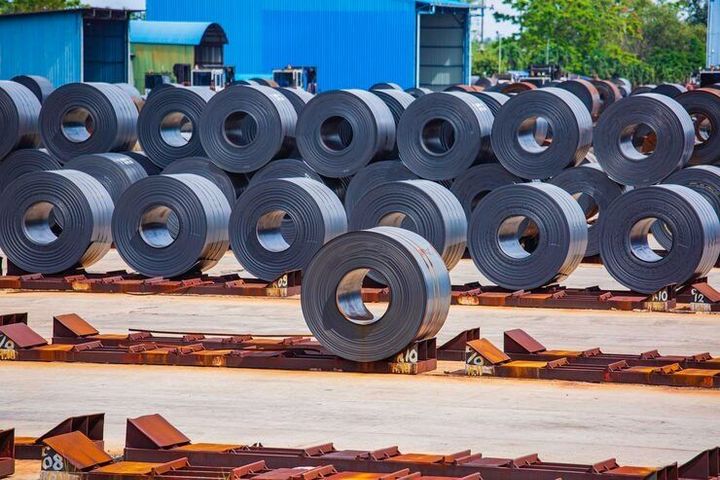
Carbon steel sheets are flat metal products manufactured primarily from iron and carbon. They are among the most widely used engineering materials in the world because they offer a practical combination of strength, durability, versatility, and ease of fabrication.
The amount of carbon present in steel influences its mechanical properties. Lower carbon levels generally improve flexibility and weldability, while higher carbon levels increase hardness and strength. Because of these characteristics, carbon steel sheets have become a foundational material across numerous industries.
The development of carbon steel dates back centuries, but modern manufacturing processes have significantly improved quality, consistency, and performance. Today, carbon steel sheets are produced using advanced rolling, finishing, and quality-control techniques that help meet the requirements of modern infrastructure, transportation, energy, and manufacturing sectors.
Carbon steel sheets exist because industries need a material that can be formed, cut, welded, and shaped into countless products while maintaining structural integrity. From construction frameworks to industrial equipment, these sheets continue to support essential economic activities around the world.
Main Types of Carbon Steel Sheets
Carbon steel sheets are commonly categorized according to their carbon content.
| Type | Carbon Content | Key Characteristics |
|---|---|---|
| Low Carbon Steel | Up to 0.30% | Flexible, weldable, easy to form |
| Medium Carbon Steel | 0.30%–0.60% | Stronger and more durable |
| High Carbon Steel | Above 0.60% | Harder, wear-resistant, less flexible |
Low carbon steel sheets are frequently used in construction components, automotive panels, and fabricated products due to their excellent workability.
Medium carbon steel sheets provide a balance between strength and machinability, making them useful for machinery and structural applications.
High carbon steel sheets are selected for applications requiring enhanced hardness and resistance to wear.
Important Properties of Carbon Steel Sheets
Several physical and mechanical characteristics make carbon steel sheets valuable across industries.
Strength
Carbon steel offers substantial load-bearing capability, making it suitable for structural applications.
Durability
The material can withstand demanding operating environments when properly maintained.
Machinability
Many grades can be cut, drilled, bent, and shaped efficiently.
Weldability
Low-carbon variants are particularly suitable for welding and fabrication.
Recyclability
Carbon steel is highly recyclable, supporting resource efficiency and circular manufacturing practices.
Thermal Conductivity
The material transfers heat effectively, which can be beneficial in certain industrial applications.
Why Carbon Steel Sheets Matter Today
Carbon steel sheets remain important because they form the foundation of many modern industries and infrastructure projects.
Rapid urbanization, transportation expansion, renewable energy development, and industrial modernization continue to increase demand for durable materials. Carbon steel sheets help address these requirements by providing reliable structural support and manufacturing flexibility.
The material affects a wide range of stakeholders, including:
- Construction professionals
- Manufacturing companies
- Infrastructure developers
- Transportation sectors
- Energy producers
- Engineering institutions
- Research organizations
Carbon steel sheets help solve several practical challenges.
They provide structural strength for buildings and bridges, support machinery manufacturing, contribute to transportation safety, and enable efficient production of industrial equipment.
In many cases, carbon steel sheets also help organizations balance performance requirements with long-term durability objectives. Their adaptability makes them suitable for projects ranging from small fabricated components to large-scale infrastructure developments.
Common Industry Applications
Carbon steel sheets are used across numerous sectors because of their versatility.
| Industry | Typical Applications |
| Construction | Structural panels, roofing, framing |
| Automotive | Body panels, chassis components |
| Manufacturing | Machinery, equipment housings |
| Energy | Storage tanks, pipelines |
| Agriculture | Equipment parts, storage systems |
| Transportation | Rail components, vehicle structures |
Construction remains one of the largest users of carbon steel sheets. Buildings, warehouses, industrial facilities, and public infrastructure projects frequently rely on carbon steel for strength and reliability.
In manufacturing environments, carbon steel sheets are transformed into machine parts, enclosures, production equipment, and industrial systems.
The transportation sector also depends heavily on carbon steel components to maintain safety and durability standards.
Recent Industry Updates and Trends
The carbon steel industry experienced several notable developments during 2025 and early 2026.
One significant trend has been the increased adoption of advanced manufacturing technologies. Digital quality monitoring systems and automated production processes have improved consistency and production efficiency.
Another important development involves sustainability initiatives. Steel producers have continued investing in cleaner manufacturing methods, energy-efficient operations, and recycling programs to reduce environmental impact.
Growing investments in renewable energy infrastructure have also increased demand for steel products used in solar, wind, and energy storage projects.
Throughout 2025, many regions reported increased focus on supply-chain resilience. Manufacturers worked to diversify sourcing strategies and improve material availability to reduce operational disruptions.
Additionally, researchers continued exploring advanced steel grades that provide improved strength-to-weight ratios while maintaining durability and performance.
Carbon Steel Sheet Market Direction
The industry is increasingly influenced by several long-term factors:
- Infrastructure modernization projects
- Sustainable manufacturing practices
- Digital production technologies
- Circular economy initiatives
- Renewable energy expansion
- Industrial automation growth
The graph below illustrates the general direction of industry priorities.
Environmental Sustainability ↑
Digital Manufacturing ↑
Infrastructure Demand ↑
Material Innovation ↑
Recycling Adoption ↑
These factors are expected to shape future material selection and production strategies across many sectors.
Laws and Regulatory Frameworks
Carbon steel sheet production and usage are influenced by various regulations and standards.
In India, manufacturing activities generally operate under frameworks related to quality standards, environmental protection, workplace safety, and industrial compliance.
Key regulatory areas include:
- Product quality standards
- Environmental emission controls
- Waste management requirements
- Occupational safety regulations
- Industrial energy-efficiency guidelines
National standards organizations establish specifications that help ensure material consistency and safety across applications.
Environmental regulations increasingly encourage manufacturers to reduce emissions, improve resource efficiency, and expand recycling efforts.
Construction projects may also require compliance with engineering standards that define acceptable material properties for structural applications.
International trade policies, import regulations, and industry certification requirements can further influence how carbon steel sheets are produced and distributed globally.
As sustainability objectives become more important, regulatory frameworks continue evolving to support cleaner industrial processes and responsible resource management.
Helpful Tools and Resources
Several resources can help professionals, students, and researchers better understand carbon steel sheets and related applications.
Material Property Calculators
These tools estimate strength, density, weight, and engineering characteristics.
Thickness and Weight Calculators
Useful for determining material quantities for fabrication and construction planning.
Engineering Design Templates
Templates assist with project documentation and material specifications.
Technical Standards Documents
Standards provide guidance on testing methods, material classifications, and quality requirements.
Educational Learning Platforms
Online learning resources explain metallurgy, manufacturing processes, and industrial applications.
Industry Research Reports
Reports help users track emerging trends, production developments, and market changes.
Manufacturing Simulation Software
Simulation tools support design validation and production planning.
Frequently Asked Questions
What is a carbon steel sheet?
A carbon steel sheet is a flat steel product made primarily from iron and carbon. It is widely used in construction, manufacturing, transportation, and industrial applications.
What are the main types of carbon steel sheets?
The primary categories are low carbon steel, medium carbon steel, and high carbon steel. Each type offers different levels of strength, hardness, and flexibility.
Why are carbon steel sheets commonly used?
They provide a strong combination of durability, versatility, machinability, and structural performance, making them suitable for many industries.
Are carbon steel sheets recyclable?
Yes. Carbon steel is highly recyclable and can be processed repeatedly without significant loss of quality, supporting sustainable manufacturing practices.
What industries use carbon steel sheets the most?
Construction, automotive manufacturing, transportation, energy, agriculture, and industrial equipment manufacturing are among the largest users of carbon steel sheets.
Conclusion
Carbon steel sheets continue to play a vital role in modern industry due to their strength, adaptability, and wide range of applications. From construction and transportation to energy and manufacturing, these materials support essential infrastructure and industrial operations worldwide.