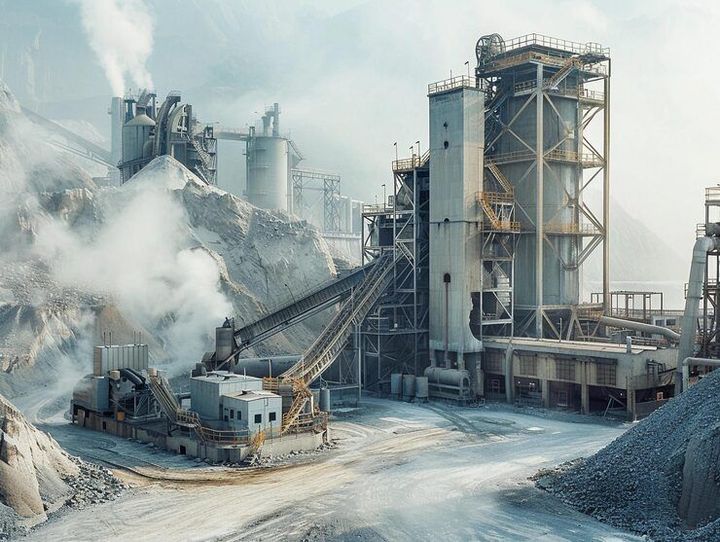
Cement Production Machinery: Informative Guide to Modern Equipment and Manufacturing Systems
Cement production machinery refers to the industrial equipment used to manufacture cement from raw materials such as limestone, clay, shale, and gypsum. These machines are designed to process, heat, grind, and blend materials to produce cement powder used in construction.
Cement is a critical component in concrete, forming the backbone of roads, bridges, buildings, and large infrastructure projects worldwide. Due to its importance, specialized machinery is required to produce cement efficiently and consistently at scale.
Modern cement plants rely on interconnected machines that operate in a continuous production system. These systems handle everything from raw material processing to final grinding and packaging, ensuring high-quality output.
Key Equipment Used in Cement Production
Cement manufacturing involves multiple machines working together in a coordinated process. Each piece of equipment plays a specific role in ensuring smooth production.
- Crushers and raw material grinders
- Rotary kilns for high-temperature processing
- Preheaters and precalciners
- Clinker coolers
- Cement mills and vertical roller mills
- Conveyors and automated material handling systems
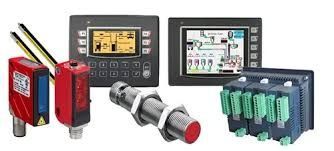
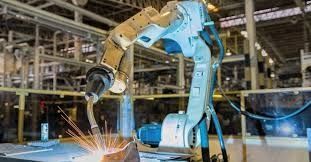
These machines are often integrated with digital monitoring and automation systems. This helps improve efficiency, reduce waste, and optimize energy usage across the plant.
Why Cement Production Machinery Matters in Modern Infrastructure
Cement production machinery is essential for supporting global infrastructure development. It enables large-scale manufacturing required for urban expansion, transportation systems, and industrial projects.
With increasing population and urbanization, demand for cement continues to grow. Efficient machinery ensures that production keeps pace with these demands while maintaining consistent material quality.
Industries That Depend on Cement Machinery
Several industries rely heavily on cement production systems for their operations:
- Construction and civil engineering
- Transportation infrastructure
- Energy and power generation
- Real estate development
- Government infrastructure projects
Efficient systems help address supply chain challenges and improve productivity. They also contribute to better resource management and reduced operational costs.
Cement Production Process Overview
The cement manufacturing process involves several stages, each supported by specialized machinery.
| Production Stage | Key Machinery Used | Purpose |
|---|---|---|
| Raw Material Processing | Crushers, Raw Mills | Reduce and blend limestone and clay |
| Preheating | Cyclone Preheaters | Prepare materials before kiln heating |
| Clinker Formation | Rotary Kiln | Heat materials at high temperatures |
| Cooling | Clinker Cooler | Stabilize clinker for further processing |
| Grinding | Cement Mill | Convert clinker into fine cement powder |
By combining these systems, cement plants can produce large volumes of cement efficiently.
Recent Developments and Industry Trends
Cement production machinery has evolved significantly with advancements in technology. Recent trends highlight a strong focus on sustainability, automation, and energy efficiency.
In 2025, many manufacturers adopted digital monitoring systems that track machine performance and energy usage in real time. These systems use sensors and analytics to improve reliability and reduce downtime.
Emerging Technology Trends
Several key innovations are shaping the future of cement manufacturing:
- AI-based predictive maintenance systems
- Waste heat recovery technologies
- High-efficiency vertical roller mills
- Alternative fuel systems for kilns
- Carbon capture pilot solutions
Digital twin technology is also gaining popularity. It allows engineers to simulate plant operations and optimize performance before implementing real-world changes.
Automation systems now manage entire production lines with minimal manual intervention. This improves consistency, safety, and operational efficiency.
Laws, Environmental Regulations, and Industry Policies
Cement production operates under strict environmental and industrial regulations. These rules aim to reduce emissions and ensure safe working conditions in manufacturing plants.
Governments worldwide enforce standards to control pollution and improve sustainability in cement manufacturing.
Key Regulatory Areas
Regulations typically focus on the following areas:
- Carbon dioxide emissions
- Dust and particulate control
- Nitrogen and sulfur oxide emissions
- Waste management and resource efficiency
Since 2024, stricter emission monitoring requirements have encouraged companies to adopt cleaner technologies. Advanced filtration systems and energy-efficient machinery are now widely used.
Industry Standards and Compliance
Cement plants must also follow international standards and safety guidelines:
- ISO 9001 for quality management
- ISO 14001 for environmental management
- Industrial safety regulations for machinery
- Emission monitoring standards
Workplace safety is equally important. Plants must implement safety systems such as machine guarding, worker training, and automated shutdown mechanisms.
Tools and Resources for Cement Manufacturing Systems
Modern cement plants use various digital tools to monitor and optimize production processes. These tools help engineers manage complex systems efficiently and improve decision-making.
They are widely used for simulation, monitoring, and predictive maintenance.
Common Tools Used in Cement Plants
- Process simulation software
- Industrial automation dashboards
- Energy monitoring systems
- Emission tracking platforms
- Engineering calculation software
These tools allow operators to track performance metrics and improve overall plant efficiency.
Digital Tools in Cement Manufacturing
| Tool Type | Purpose |
|---|---|
| Process Simulation Software | Model production workflows |
| Industrial IoT Platforms | Monitor machinery performance |
| Energy Monitoring Systems | Track fuel and electricity usage |
| Predictive Maintenance Tools | Detect potential equipment failures |
Key Monitoring Metrics
Plant operators rely on real-time data to maintain efficiency and performance.
| Production Metric | Monitoring Goal |
|---|---|
| Kiln Temperature | Maintain stable clinker formation |
| Grinding Efficiency | Achieve optimal cement particle size |
| Energy Consumption | Reduce power usage per ton of cement |
| Equipment Vibration | Detect early signs of mechanical stress |
These monitoring systems help ensure smooth operations and reduce unexpected downtime.
Frequently Asked Questions
What is cement production machinery used for?
Cement production machinery processes raw materials into cement through crushing, heating, grinding, and blending operations. It ensures consistent quality and large-scale production.
What is the role of a rotary kiln?
A rotary kiln heats raw materials at very high temperatures to produce clinker. This clinker is then ground into cement powder.
Why is automation important in cement plants?
Automation improves efficiency, reduces human error, and helps maintain consistent product quality. It also allows real-time monitoring of machinery.
What materials are used to produce cement?
Common raw materials include limestone, clay, shale, and gypsum. These are processed through multiple stages using industrial equipment.
How is machinery performance monitored?
Modern plants use sensors, automation systems, and digital dashboards. These tools track temperature, vibration, and production output in real time.
Conclusion
Cement production machinery plays a vital role in modern industrial development. It enables the efficient transformation of raw materials into cement used in construction worldwide.
As demand for infrastructure grows, advanced machinery and automation systems are becoming increasingly important. They help improve efficiency, reduce environmental impact, and maintain production quality.
Technological advancements such as predictive maintenance, digital twins, and energy-efficient systems are shaping the future of cement manufacturing. At the same time, regulations ensure safe and sustainable operations.
Understanding cement production machinery provides valuable insight into one of the most essential processes supporting global infrastructure.