Commercial Food Machinery Guide for Modern Kitchen Equipment Planning
Commercial food machinery refers to equipment used in food preparation, handling, cooking, packaging, and storage within restaurants, bakeries, food factories, and institutional kitchens.
These systems range from simple mixers and ovens to advanced automatic food processing machines designed for large-scale food production. Over time, the food industry has moved from manual preparation methods to more automated operations to improve consistency, reduce physical labor, and support higher production volumes.
The development of food processing machinery is closely linked to urban growth, industrial food production, and changing eating habits. As cities expanded and packaged food became more common, commercial kitchen equipment evolved to support faster preparation and standardized food handling. Today, food machinery manufacturers produce equipment for many sectors, including bakeries, frozen foods, dairy processing, beverage production, and ready-to-eat meals.
Commercial food machinery is used in several environments, such as:
- Restaurants and hotels
- Bakery and confectionery facilities
- Food packaging centers
- School and hospital kitchens
- Food production plants
- Small-scale food businesses
Modern food production machinery often combines mechanical systems, digital controls, and safety features. Some machines process ingredients, while others package or preserve finished products. In bakery operations, bakery food machinery equipment may include dough mixers, proofing cabinets, slicers, and conveyor ovens. Food packaging machinery can include sealing machines, labeling systems, and vacuum packaging units.
The structure and size of equipment usually depend on the production scale. Food machinery for small business operations is generally compact and easier to operate, while industrial food processing equipment is designed for continuous production in larger facilities.
Importance
Commercial food machinery plays an important role in maintaining food quality, kitchen organization, and production efficiency. As food demand increases in urban and industrial areas, kitchens and processing facilities rely on machinery to manage preparation tasks more consistently.
Supporting Food Safety
One important reason for using commercial kitchen equipment is hygiene control. Machines designed for food handling are usually made from stainless steel or food-grade materials that are easier to clean and maintain. This helps reduce contamination risks during preparation and packaging.
Temperature-controlled food processing machinery also supports safer storage and cooking conditions. Refrigeration systems, automated cooking units, and packaging lines help maintain stable food conditions during production.
Managing Production Volume
Industrial food processing equipment allows facilities to handle larger amounts of food in less time. In many food production settings, manual preparation alone may not meet daily demand. Equipment such as automated mixers, slicing systems, and conveyor processing units can support continuous operation.
The table below shows common machinery types and their general uses.
| Machinery Type | Main Function | Common Industry Use |
|---|---|---|
| Dough Mixer | Combines ingredients evenly | Bakeries |
| Conveyor Oven | Continuous baking or cooking | Fast-food kitchens |
| Vacuum Packaging Machine | Removes air from packaging | Packaged food production |
| Industrial Blender | Mixes sauces and liquids | Beverage and sauce production |
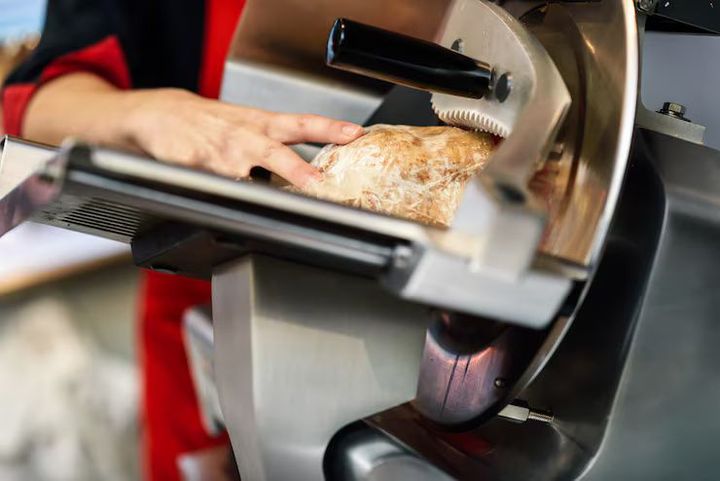
| Food Slicer | Cuts food into uniform sizes | Delicatessens and restaurants |
| Refrigeration Unit | Preserves ingredients | Commercial kitchens |
| Automatic Filling Machine | Fills containers with products | Beverage and dairy facilities |
Reducing Physical Workload
Automatic food processing machines can reduce repetitive manual tasks. Activities such as slicing vegetables, mixing dough, or filling containers often require long periods of physical effort. Machinery helps reduce strain on workers and supports more organized workflows.
Supporting Small Businesses
Food machinery for small business operations has become more accessible in compact formats. Small cafés, bakery kitchens, and local food producers often use smaller mixers, sealers, or preparation systems that fit limited spaces while supporting daily production needs.
Recent Updates
Commercial food machinery has continued to evolve between 2024 and 2026 due to changes in food production methods, energy management, and automation technology.
Increased Use of Smart Controls
Many food machinery manufacturers now integrate digital monitoring systems into commercial kitchen equipment. Touchscreen controls, temperature tracking, and automated timing systems are becoming more common in ovens, refrigeration units, and packaging machines.
Some industrial food processing equipment can also connect to internal monitoring software. These systems help operators track machine performance, maintenance schedules, and production output.
Focus on Energy Efficiency
Energy use has become a major consideration in food production environments. Newer commercial food machinery models often include insulated heating systems, variable-speed motors, and energy-saving refrigeration technology. These features may help reduce electricity consumption during long operating hours.
Growth of Compact Equipment
Smaller kitchens and urban food facilities have increased demand for compact food processing machinery. Equipment designed for limited spaces now includes multifunction systems that combine mixing, cooking, and processing functions into a single unit.
This trend is especially visible in food machinery for small business environments where kitchen space may be limited.
Expansion of Automation
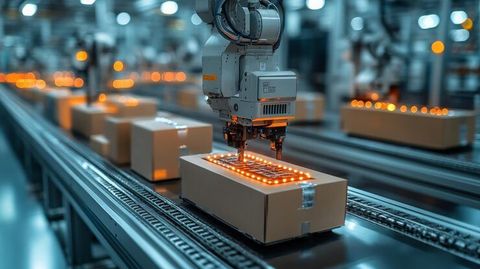
Automation continues to expand across industrial food processing equipment. Automated conveyor systems, robotic handling arms, and sensor-controlled packaging lines are becoming more common in large food production plants.
Food packaging machinery has also changed significantly. Modern packaging systems may include:
- Automatic labeling systems
- Barcode tracking functions
- Portion control mechanisms
- Vacuum sealing technology
- Tamper-evident packaging systems
Greater Attention to Sustainability
Food facilities are increasingly examining waste reduction and environmental impact. Some newer food production machinery systems are designed to reduce water use, improve ingredient accuracy, and minimize packaging waste during processing.
Laws or Policies
Commercial food machinery is influenced by health, safety, and manufacturing regulations in many countries. Rules may vary depending on whether equipment is used in restaurants, food factories, or packaging facilities.
Food Safety Standards
Government agencies often require commercial kitchen equipment to meet sanitation and food safety standards. Equipment surfaces that contact food must usually be resistant to corrosion and easy to clean.
In many regions, food businesses follow guidelines related to:
- Safe food temperatures
- Cleaning procedures
- Equipment maintenance
- Cross-contamination prevention
- Worker safety requirements
Electrical and Mechanical Safety
Industrial food processing equipment is commonly subject to electrical safety regulations. Machines with motors, heating systems, or automated moving parts may require protective guards and emergency shut-off systems.
Commercial food machinery installation may also need to follow building and fire safety regulations, especially in large kitchens or processing plants.
Packaging and Labeling Rules
Food packaging machinery often supports compliance with labeling laws. Packaging systems may include features that help print ingredient information, batch numbers, expiration dates, and barcode labels.
Some countries also regulate packaging materials to reduce environmental impact or improve recycling practices.
Worker Protection Policies
Automatic food processing machines must usually include safety protections for operators. These protections may involve:
- Emergency stop buttons
- Safety shields
- Heat-resistant surfaces
- Lockout systems during maintenance
- Noise reduction measures
Facilities that use food production machinery are often required to train workers on proper machine operation and sanitation procedures.
Tools and Resources
Several tools and resources are commonly used when planning commercial food machinery layouts or evaluating equipment requirements.
Planning and Design Software
Kitchen planning software helps businesses organize equipment placement and workflow patterns. These tools may assist with ventilation planning, utility connections, and storage arrangements before commercial food machinery installation begins.
Examples of planning features include:
- Floor layout mapping
- Equipment spacing analysis
- Utility connection planning
- Ventilation calculations
- Workflow simulations
Industry Standards Organizations
Organizations related to food equipment safety and manufacturing provide technical guidelines and inspection standards. These resources often explain sanitation requirements, machine materials, and operational safety practices.
Equipment Documentation
Food machinery manufacturers usually provide technical manuals, maintenance schedules, and operational instructions. These documents help operators understand cleaning procedures, temperature controls, and machine safety requirements.
Training Platforms
Some educational institutions and industry groups provide online learning materials related to food processing machinery operation. Topics may include hygiene practices, machine maintenance, and packaging system management.
Monitoring and Maintenance Tools
Digital maintenance systems are increasingly used with industrial food processing equipment. These systems can track operational hours, identify maintenance intervals, and record machine inspections.
FAQs
What is commercial food machinery used for?
Commercial food machinery is used for preparing, processing, cooking, packaging, and storing food in restaurants, bakeries, food factories, and institutional kitchens. Equipment types vary depending on production volume and food category.
What is the difference between food processing machinery and commercial kitchen equipment?
Food processing machinery is often associated with large-scale food production activities such as mixing, packaging, or filling. Commercial kitchen equipment is more commonly used in restaurants and food preparation kitchens for cooking, refrigeration, and serving operations.
How does food packaging machinery support food safety?
Food packaging machinery helps protect food from contamination during storage and transportation. Vacuum sealing, automated labeling, and portion control systems can support hygiene and traceability requirements.
What should be considered during commercial food machinery installation?
Commercial food machinery installation may involve electrical planning, ventilation systems, drainage access, equipment spacing, and worker safety requirements. Facilities also need to follow local building and food safety regulations.
Is food machinery for small business different from industrial food processing equipment?
Food machinery for small business operations is usually smaller in size and designed for lower production volumes. Industrial food processing equipment is typically larger and intended for continuous operation in manufacturing facilities.
Conclusion
Commercial food machinery has become an important part of modern food preparation and production systems. From bakery food machinery equipment to automated packaging lines, these technologies support food handling, organization, and operational consistency across many industries. Recent developments in automation, energy management, and digital monitoring continue to influence how food processing machinery is designed and used. Regulations related to sanitation, worker safety, and packaging also shape the operation of commercial kitchen equipment in different regions.