Explore Paint Protection Coating Guides for Modern Vehicle Owners
Modern vehicles are designed with advanced paint systems that enhance appearance, improve durability, and contribute to long-term resale value.
However, daily exposure to sunlight, road debris, environmental contaminants, bird droppings, tree sap, and harsh weather conditions can gradually damage a vehicle's exterior finish.
Paint protection coatings have become increasingly popular among vehicle owners seeking to preserve their investment while maintaining a showroom-quality appearance. Whether you drive a luxury sedan, sports car, SUV, electric vehicle, or family car, understanding paint protection options can help you make informed decisions about vehicle maintenance and care.
This guide provides practical knowledge and information about paint protection coatings, their benefits, available options, costs, and maintenance requirements for modern vehicle owners.
What Is Paint Protection Coating?
Paint protection coating is a protective layer applied to a vehicle's exterior surface to shield it from environmental damage and maintain its appearance.
The primary purpose of these coatings is to:
- Protect against UV rays
- Reduce oxidation and fading
- Minimize contamination buildup
- Improve gloss and shine
- Simplify cleaning and maintenance
- Preserve vehicle value
Modern paint protection technologies have evolved significantly, offering stronger and longer-lasting protection than traditional wax products.
Why Paint Protection Matters
A vehicle's paintwork is constantly exposed to harmful elements that can deteriorate its appearance over time.
Common threats include:
UV Radiation
Prolonged sun exposure can cause paint fading, oxidation, and loss of gloss.
Road Debris
Small stones, gravel, and road particles can create chips and scratches.
Chemical Contaminants
Pollution, industrial fallout, acid rain, and road salts may damage clear coats and paint surfaces.
Organic Contaminants
Bird droppings, insect remains, and tree sap contain acids that can permanently stain vehicle paint if not removed quickly.
Paint protection coatings act as a defensive barrier against these everyday hazards.
Types of Paint Protection Solutions
Traditional Car Wax
Wax has been used for decades to provide temporary paint protection.
Benefits include:
- Affordable application
- Enhanced shine
- Water repellency
Limitations:
- Short lifespan
- Frequent reapplication required
- Limited protection against environmental contaminants
Most wax products last only a few weeks to several months.
Paint Sealants
Paint sealants are synthetic products designed to provide stronger protection than traditional wax.
Advantages include:
- Longer durability
- Better chemical resistance
- Improved gloss retention
Most sealants last between six and twelve months depending on driving conditions and maintenance practices.
Ceramic Coatings
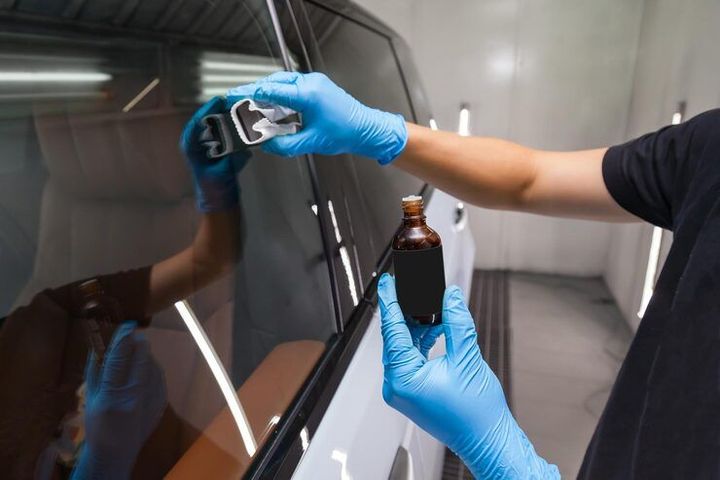
Ceramic coatings have become one of the most sought-after vehicle protection solutions.
These coatings use nanotechnology to create a durable protective layer bonded to the vehicle's clear coat.
Benefits include:
- Exceptional gloss enhancement
- UV protection
- Chemical resistance
- Hydrophobic properties
- Easier cleaning
- Long-lasting durability
Professional ceramic coatings can last several years when properly maintained.
Paint Protection Film (PPF)
Paint Protection Film is a transparent urethane film applied directly to vulnerable areas of a vehicle.
Common coverage areas include:
- Front bumper
- Hood
- Side mirrors
- Fender panels
- Door edges
Benefits include:
- Impact resistance
- Scratch protection
- Stone chip protection
- Self-healing technology on premium films
PPF is often considered one of the most comprehensive paint protection solutions available.
Understanding Ceramic Coating Technology
Ceramic coatings create a semi-permanent bond with a vehicle's paint surface.
Once cured, the coating forms a durable layer that helps repel:
- Water
- Dirt
- Dust
- Oils
- Road contaminants
Vehicle owners often appreciate ceramic coatings because water beads and rolls off the surface, reducing the likelihood of contamination buildup.
Professional-grade ceramic coatings generally outperform consumer-grade products in terms of longevity and durability.
Benefits of Paint Protection Coatings
Enhanced Appearance
One of the most noticeable advantages is the deep gloss and reflective finish created by quality coatings.
Vehicles often appear cleaner and more vibrant for longer periods.
Easier Maintenance
Protected surfaces accumulate less dirt and are easier to wash.
This reduces cleaning time and helps maintain a polished appearance.
Long-Term Cost Savings
Although initial application costs can be significant, coatings may reduce future expenses associated with:
- Paint correction
- Detailing services
- Repainting
- Surface restoration
Improved Resale Value
Well-maintained paintwork can positively influence resale and trade-in values.
Potential buyers frequently associate clean, protected exteriors with responsible vehicle ownership.
Ceramic Coating vs. Paint Protection Film
Vehicle owners often compare ceramic coatings and Paint Protection Film when evaluating protection options.
Ceramic Coating
Best for:
- Gloss enhancement
- UV protection
- Easier maintenance
- Chemical resistance
Limitations:
- Limited impact protection
- Cannot prevent all scratches
Paint Protection Film
Best for:
- Stone chip resistance
- Scratch protection
- Physical impact defense
Limitations:
- Higher installation costs
- More complex application process
Many premium vehicle owners combine both solutions for maximum protection.
Factors Affecting Coating Performance
Several factors influence the effectiveness and lifespan of paint protection coatings.
Surface Preparation
Proper paint correction and decontamination are critical before applying any coating.
Product Quality
Professional-grade products typically offer superior durability and performance.
Environmental Conditions
Extreme weather, heavy pollution, and frequent outdoor parking may affect coating longevity.
Maintenance Habits
Regular washing using proper techniques helps maximize coating effectiveness.
Common Myths About Paint Protection Coatings
Myth 1: Coatings Make Vehicles Scratch-Proof
While coatings improve resistance to minor scratches, they do not make paint completely immune to damage.
Myth 2: Coatings Eliminate Washing Requirements
Protected vehicles still require regular cleaning and maintenance.
Myth 3: Every Coating Lasts Forever
Even premium coatings experience wear and require periodic inspection and maintenance.
Maintenance Tips for Coated Vehicles
To maximize protection:
- Use pH-neutral car shampoos
- Avoid abrasive brushes
- Wash vehicles regularly
- Remove contaminants promptly
- Follow manufacturer maintenance guidelines
- Schedule periodic inspections
Proper care can significantly extend coating performance and appearance.
Choosing a Professional Paint Protection Provider
Before selecting a service provider, evaluate:
Experience
Look for technicians with proven expertise in ceramic coatings and Paint Protection Film installations.
Product Selection
Reputable providers often offer multiple coating options tailored to different vehicle types and budgets.
Warranty Coverage
Review warranty terms carefully to understand coverage limitations and maintenance requirements.
Customer Reviews
Verified customer feedback can provide valuable insight into service quality and reliability.
Future Trends in Vehicle Paint Protection
The automotive protection industry continues to evolve.
Emerging innovations include:
- Self-healing coatings
- Advanced nano-coatings
- Graphene-based protection systems
- Smart hydrophobic technologies
- Environmentally friendly formulations
These advancements aim to improve durability, appearance retention, and ease of maintenance.
Conclusion
Paint protection coatings have become an essential component of modern vehicle care. From traditional wax products to advanced ceramic coatings and Paint Protection Film, vehicle owners now have access to a wide range of solutions designed to preserve appearance, simplify maintenance, and protect long-term value.
Understanding the strengths, limitations, and maintenance requirements of each option allows vehicle owners to make informed decisions based on their driving habits, environmental conditions, and budget. With proper protection and regular care, modern vehicles can maintain their showroom-quality finish for years while providing lasting pride of ownership and enhanced resale potential.