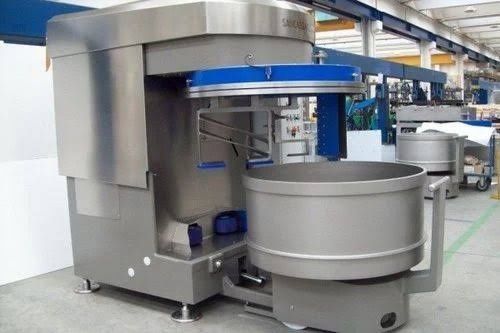
Food Mixing Machines: Guide to Understanding Types and Everyday Applications
Food mixing machines are mechanical devices designed to combine, blend, knead, or mix ingredients used in food preparation and manufacturing.
These machines range from small units used in bakeries and restaurants to large industrial systems used in food processing facilities. The development of food mixing machines is closely connected to the growth of commercial food production, where consistent mixing and efficient processing became increasingly important.
Today, food mixing machines play a role in producing a wide variety of foods, including bread, cakes, sauces, dairy products, beverages, snacks, and ready-to-eat meals. Different industries use different types of equipment depending on the ingredients, batch size, and production requirements.
Many modern industrial food mixers are designed to handle large volumes of ingredients while maintaining consistency. Food mixer manufacturers continue to develop equipment that can support changing production needs, food safety standards, and automation requirements.
Understanding How Food Mixing Machines Work
Food mixing machines operate by moving ingredients through rotating blades, paddles, ribbons, spirals, or planetary mixing systems. The purpose is to distribute ingredients evenly and create a uniform mixture.
Depending on the product being prepared, the mixing process may involve:
- Combining dry ingredients
- Blending liquids and solids
- Kneading dough
- Emulsifying ingredients
- Mixing powders
- Creating food pastes or batters
Food blending machines are commonly used when ingredients need to be thoroughly combined without changing their texture significantly, while industrial dough mixers focus on developing the structure of dough through controlled kneading.
Common Types of Food Mixing Machines
Several categories of food mixing equipment are used across the food industry.
| Type of Machine | Primary Use | Common Applications |
|---|---|---|
| Planetary Mixer | Multi-purpose mixing | Cakes, creams, batters |
| Spiral Mixer | Dough preparation | Bread and pizza dough |
| Ribbon Blender | Dry ingredient blending | Powders, spices, seasonings |
| Paddle Mixer | Gentle mixing | Prepared foods and fillings |
| High-Shear Mixer | Intensive blending | Sauces, emulsions, dairy products |
| Vacuum Mixer | Air-controlled mixing | Processed meats and specialty foods |
| Continuous Mixer | Ongoing production | Large-scale manufacturing |
Commercial dough mixing machines are particularly common in bakeries, while food production mixers are frequently found in factories producing packaged foods.
Importance
Food mixing machines are important because they help maintain consistency in food preparation and manufacturing. Whether producing a small batch of dough or processing large quantities of ingredients, proper mixing contributes to uniform texture, flavor, and appearance.
Supporting Food Production Efficiency
As food demand grows, producers often need equipment capable of processing larger volumes. High capacity food mixers can handle substantial ingredient quantities, helping facilities manage production requirements more effectively.
Consistent mixing also reduces variability between batches. This is especially important for products such as bread, sauces, dairy items, and confectionery products where ingredient distribution affects the final result.
Improving Workplace Operations
Mixing large quantities of ingredients manually can be physically demanding and time-consuming. Commercial food mixing equipment helps reduce repetitive manual tasks while allowing operators to monitor and manage production processes more efficiently.
Automatic food mixing systems can further simplify workflows by controlling mixing times, speeds, and ingredient sequences through programmable settings.
Supporting Food Safety
Properly designed stainless steel food mixers are commonly used because stainless steel surfaces are durable and easier to clean. Cleanability is an important factor in food processing environments where contamination prevention is a priority.
Food manufacturers often select equipment that can be cleaned thoroughly and inspected easily to support hygiene practices throughout production.
Everyday Products Made with Food Mixing Machines
Many products found in supermarkets and restaurants are prepared using food mixing equipment, including:
- Bread and bakery products
- Cake batters and frostings
- Sauces and dressings
- Dairy products
- Snack foods
- Processed meats
- Beverage concentrates
- Ready-to-cook meals
These machines help create products with consistent quality and ingredient distribution.
Recent Updates
Growing Use of Automation
From 2024 through 2026, one of the most noticeable developments in food processing has been the increasing adoption of automation. Automatic food mixing systems are becoming more common in production environments where manufacturers seek improved consistency and process monitoring.
Modern systems may include programmable controls, recipe management functions, and digital monitoring capabilities that help operators track production parameters.
Focus on Energy Efficiency
Equipment manufacturers are increasingly designing food production mixers with energy-efficient motors and optimized mixing mechanisms. These developments aim to reduce energy consumption while maintaining effective mixing performance.
Energy management has become an important consideration for facilities seeking to improve operational efficiency and reduce environmental impact.
Improved Cleaning and Sanitation Features
Food safety remains a major priority across the industry. As a result, many stainless steel food mixers now include features that simplify cleaning and maintenance.
Examples include:
- Smooth interior surfaces
- Reduced crevices and hard-to-reach areas
- Quick-release components
- Automated cleaning support systems
These features can help support sanitation practices and routine inspections.
Data Monitoring and Smart Controls
Digital technology continues to influence food manufacturing equipment. Some industrial food mixers now incorporate sensors and monitoring systems that track factors such as:
- Mixing speed
- Batch duration
- Temperature
- Motor performance
- Ingredient processing consistency
These capabilities can provide additional information for production management and quality control activities.
Flexible Equipment Design
Food manufacturers often produce multiple products using the same facility. To accommodate changing production needs, some food mixer manufacturers are developing more flexible systems that can handle different recipes and ingredient types with minimal adjustments.
Laws or Policies
Food mixing machines used in commercial production are generally subject to food safety, equipment safety, and workplace regulations. The specific requirements vary by country.
Food Safety Standards
Many countries require food processing equipment to be designed and maintained in a way that supports hygienic operation. Regulatory agencies often establish guidelines regarding materials, cleaning procedures, and contamination prevention.
Stainless steel is commonly used because it is resistant to corrosion and suitable for food-contact applications.
Workplace Safety Requirements
Industrial machinery typically falls under workplace safety regulations that address operator protection and equipment operation.
Common requirements may include:
- Emergency stop systems
- Protective guards
- Operator training
- Maintenance procedures
- Hazard identification measures
These requirements help reduce the risk of workplace incidents.
Equipment Certification
Certain jurisdictions require machinery to meet specific engineering and safety standards before installation or operation. Certification requirements may vary depending on the type of equipment and intended application.
Food processors often review applicable regulations before selecting commercial food mixing equipment for production environments.
Environmental Considerations
Environmental regulations may affect equipment operation through energy efficiency requirements, waste management rules, and sustainability initiatives. Manufacturers increasingly consider these factors when designing industrial food mixers and related processing equipment.
Tools and Resources
Several resources can help individuals and organizations learn more about food mixing machines and food processing technology.
Industry Associations
Food processing associations often publish educational materials, technical guidance, and industry reports related to food manufacturing equipment and production practices.
Regulatory Agency Websites
Government agencies responsible for food safety and workplace safety frequently provide guidance documents covering equipment sanitation, maintenance, and operational requirements.
Examples include national food safety authorities and occupational safety organizations.
Equipment Specification Sheets
Technical specification documents help users understand machine capacity, dimensions, mixing methods, power requirements, and maintenance considerations.
These resources are commonly used when comparing different types of food blending machines and industrial dough mixers.
Production Planning Software
Many food manufacturers use software tools that assist with:
- Recipe management
- Batch tracking
- Production scheduling
- Inventory management
- Quality monitoring
Such tools often work alongside automatic food mixing systems to support production operations.
Educational Resources
Training programs, technical publications, and manufacturing courses provide information about food processing equipment, mixing technologies, and food safety practices.
FAQs
What are food mixing machines used for?
Food mixing machines are used to combine ingredients, prepare dough, blend powders, create batters, and process food products. They are commonly found in bakeries, restaurants, and food manufacturing facilities.
What is the difference between industrial food mixers and commercial food mixing equipment?
Industrial food mixers are generally designed for large-scale manufacturing and continuous production environments. Commercial food mixing equipment is often used in bakeries, kitchens, and smaller production settings where batch sizes are typically smaller.
Why are stainless steel food mixers commonly used?
Stainless steel food mixers are widely used because stainless steel is durable, resistant to corrosion, and suitable for food-contact applications. It also supports cleaning and sanitation processes.
How do industrial dough mixers differ from other food mixers?
Industrial dough mixers are specifically designed to knead and develop dough structures for products such as bread, pizza, and pastries. Other food mixing machines may focus on blending liquids, powders, or prepared food ingredients.
What factors influence the selection of high capacity food mixers?
Important considerations may include batch size, ingredient type, mixing method, production volume, cleaning requirements, available space, and regulatory compliance needs.
Conclusion
Food mixing machines are an important part of modern food preparation and manufacturing. They support consistent ingredient blending, efficient production processes, and food safety practices across a wide range of applications. Different machine types are designed to handle specific tasks, from dough preparation to large-scale ingredient blending. As automation, sanitation, and digital monitoring continue to develop, food mixing technology remains an important component of food production systems.