Gearbox Assembly Equipment Guide: Complete Overview and Essential Basics Explained
Gearbox assembly equipment refers to specialized machines, tools, and automated systems used to assemble gearboxes in manufacturing environments. A gearbox is a mechanical device that transfers power from a motor or engine to a driven component by adjusting speed and torque through gears. Because gearboxes are essential in many industries—including automotive manufacturing, industrial automation, renewable energy, and heavy machinery—accurate and efficient assembly processes are critical.
Gearbox assembly equipment ensures precision, repeatability, and reliability in modern manufacturing processes. These systems are designed to align gears, shafts, bearings, seals, and housings while maintaining strict tolerances.
Modern machines use automated positioning, torque-controlled tools, and digital inspection technologies. This helps manufacturers achieve consistent and high-quality assembly results across production lines.
Key Components in Gearbox Assembly
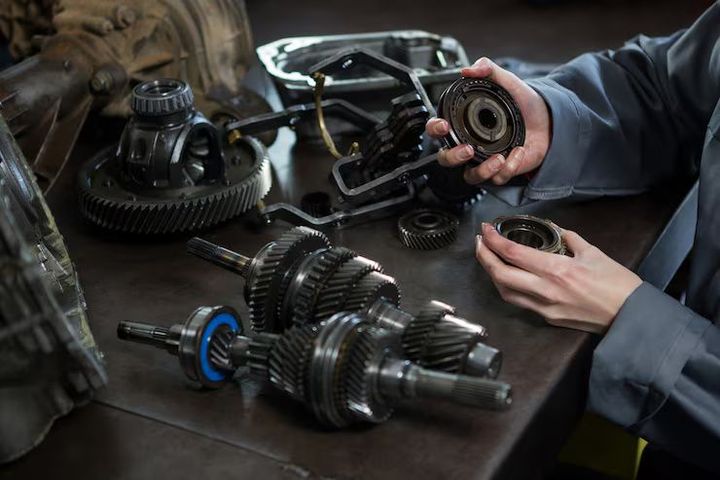
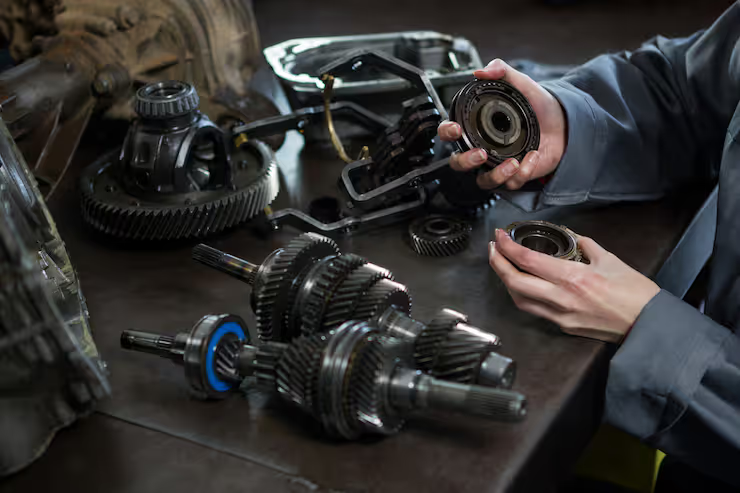
Common components involved in gearbox assembly include:
- Gear wheels
- Shafts and bearings
- Seals and gaskets
- Housing structures
- Lubrication systems
Assembly equipment supports multiple stages, including alignment, pressing, fastening, and final inspection.
Importance of Gearbox Assembly Equipment
Gearboxes are essential for power transmission in mechanical systems. They help control speed, torque, and efficiency in applications such as vehicles, turbines, and industrial machines.
Accurate assembly is critical to ensure durability and long operational life. Even minor errors can lead to inefficiencies or mechanical failures.
Key Factors Driving Importance
- Growth of electric and hybrid vehicles
- Expansion of automation and robotics
- Rising demand for precision manufacturing
- Development of renewable energy systems
Production Challenges Addressed
Modern equipment helps manufacturers:
- Maintain consistent torque during fastening
- Ensure precise gear alignment
- Reduce vibration and operational noise
- Improve overall product reliability
Industry Applications
| Industry Sector | Typical Gearbox Applications |
|---|---|
| Automotive Manufacturing | Vehicle transmissions and differential systems |
| Renewable Energy | Wind turbine gearboxes |
| Industrial Automation | Robotic drive systems |
| Construction Equipment | Excavators and heavy machinery |
| Aerospace Engineering | Specialized mechanical systems |
Recent Trends in Gearbox Assembly Technology
Technological advancements have significantly improved gearbox assembly processes. Smart manufacturing and digital systems are now widely used to enhance precision and monitoring.
In 2025, many companies adopted Industry 4.0 technologies. These include smart sensors and real-time monitoring systems for torque, alignment, and positioning.
Key Technological Trends
- Integration of collaborative robots
- Automated torque control systems
- Digital twin simulation for process testing
- Predictive maintenance technologies
Machine vision systems are also widely used to detect alignment issues and missing components. These systems improve quality inspection and reduce errors during assembly.
Technology Impact Table
| Technology Trend | Industry Impact |
|---|---|
| Smart Sensors | Improved process monitoring |
| Machine Vision Systems | Enhanced quality inspection |
| Robotics Integration | Increased automation efficiency |
| Digital Twin Simulation | Process optimization and testing |
Regulations and Standards
Gearbox assembly equipment must comply with various safety and quality standards. These regulations ensure reliable operation and environmental responsibility.
Manufacturers follow international standards and regional policies to maintain compliance.
Common Regulatory Considerations
- Workplace safety standards
- Mechanical reliability testing
- Environmental manufacturing policies
- Product quality certifications
Key Standards and Guidelines
- ISO 9001 for quality management systems
- EU Machinery Directive and CE certification
- OSHA safety guidelines in the United States
Government programs also promote advanced manufacturing technologies and smart factory adoption.
Tools and Resources for Gearbox Assembly
Various digital tools support efficient gearbox assembly processes. These tools help engineers design, test, and monitor mechanical systems.
Engineering and Design Tools
- CAD software for mechanical design
- 3D modeling tools for components
- Simulation software for stress and load analysis
Manufacturing and Planning Systems
- CAM platforms for production planning
- Scheduling and workflow management tools
Monitoring and Inspection Technologies
- Torque measurement systems
- Machine vision inspection tools
- Industrial IoT dashboards
Software Tools Table
| Tool Category | Purpose |
|---|---|
| CAD Software | Design of gears, shafts, and housings |
| Simulation Tools | Testing stress, vibration, and load |
| CAM Systems | Planning machining and assembly |
| Inspection Systems | Verifying alignment and accuracy |
Frequently Asked Questions
What is gearbox assembly equipment used for?
It is used to assemble mechanical gear systems that control power transmission and speed in machines and vehicles.
Why is precision important in gearbox assembly?
Precision prevents vibration, noise, wear, and inefficiency in mechanical systems.
Which industries use gearbox assembly equipment?
Industries include automotive, renewable energy, aerospace, heavy machinery, and robotics.
How does automation improve assembly?
Automation increases consistency, reduces errors, and enables real-time monitoring of assembly parameters.
What technologies are shaping the future?
Key technologies include robotics, machine vision, smart sensors, and digital twin simulations.
Assembly Efficiency Comparison
Automation significantly improves efficiency and quality consistency in gearbox assembly processes.
| Assembly Method | Typical Efficiency Level | Quality Consistency |
|---|---|---|
| Manual Assembly | Moderate | Variable |
| Semi-Automated Systems | High | Consistent |
| Fully Automated Lines | Very High | Highly Consistent |
Conclusion
Gearbox assembly equipment plays a critical role in modern industrial manufacturing. It enables the precise assembly of complex systems used in vehicles, machinery, and energy applications.
With the rise of smart manufacturing, these systems are increasingly integrated with robotics, digital monitoring, and advanced inspection tools. This helps improve efficiency, quality, and reliability across production environments.
As technology evolves, gearbox assembly equipment will continue to support innovation and precision in mechanical engineering.