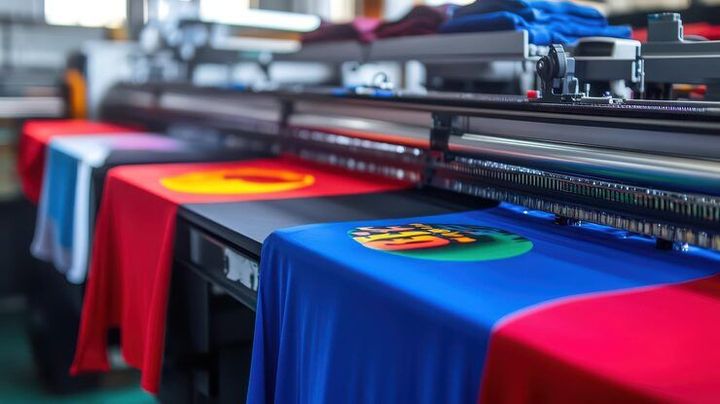
Heat Transfer Printing Machines Guide for Fabric and Custom Design Basics
Heat transfer printing machines are used to apply designs, logos, patterns, and text onto fabrics and other materials through heat and pressure. These systems are commonly seen in clothing decoration, sportswear production, promotional products, and textile manufacturing.
A heat press printing machine typically works by transferring ink or vinyl from a prepared sheet onto a surface using controlled temperature and pressure.
The development of heat transfer printing machines is closely linked to the growth of custom apparel and textile printing. Earlier methods relied heavily on manual screen printing, which often required multiple setup stages. As digital printing technologies expanded, heat press systems became more common because they allowed shorter production cycles and easier customization.
Several machine types exist for different applications. A heat press machine for t shirts is often used for garment decoration, while an industrial heat transfer printing machine may support large-scale textile production. Some systems are designed for sublimation printing, where heat converts solid dye into gas that bonds with polyester fabrics and coated materials.
Modern heat transfer printing equipment ranges from compact manual devices to automatic heat press machine systems with programmable settings. In commercial environments, heat press automation systems are increasingly integrated into textile workflows to improve consistency and reduce repetitive manual handling.
Importance
Heat transfer printing technology plays a significant role in modern textile and product customization. Small businesses, educational institutions, sports organizations, and manufacturing facilities use these systems for fabric printing and branded materials.
One reason these machines matter today is the growing demand for short-run and customized production. Consumers often prefer personalized clothing, limited-edition apparel, or branded uniforms. Heat transfer printing machines make it possible to create smaller batches without the extensive preparation associated with some traditional printing methods.
Another important factor is production flexibility. Different machine formats support a wide variety of materials, including:
- Cotton fabrics
- Polyester textiles
- Blended garments
- Ceramic-coated products
- Metal plates
- Tote bags and caps
Commercial heat transfer machines are also used in industries outside fashion. Sports equipment suppliers, event organizers, educational institutions, and packaging companies sometimes use transfer printing for labels, branding, and decorative applications.
The textile industry has also experienced changes in production expectations. Faster turnaround times and more customized output have encouraged wider use of heat press machine for textile industry operations. Automated systems can help maintain consistent temperature and pressure during repeated production cycles.
The following table outlines common machine categories and their typical applications.
| Machine Type | Common Application | Typical Material |
|---|---|---|
| Manual heat press printing machine | Small-batch garment printing | Cotton, polyester |
| Sublimation heat press machine | Dye sublimation transfer | Polyester fabrics |
| Automatic heat press machine | Repetitive production tasks | Apparel and textiles |
| Industrial heat transfer printing machine | Large-scale textile operations | Fabric rolls |
| Clamshell heat press | T-shirt decoration | Garments |
| Swing-away heat press | Flat surface transfers | Fabric and coated items |
Heat transfer systems also support educational and creative environments. Schools, hobby groups, and training centers sometimes use entry-level equipment to teach design preparation and textile decoration techniques.
Recent Updates
Between 2024 and 2026, several developments have influenced the heat transfer printing industry. Automation and digital integration remain major trends across both small-scale and industrial environments.
Growth of Smart Control Systems
Many newer heat press printing machine models include touchscreen interfaces and programmable controls. These systems help operators manage temperature, pressure, and timing with greater precision. Some industrial systems now include remote monitoring and production tracking features.
Expansion of Heat Press Automation Systems
Heat press automation systems are becoming more common in textile production environments. Automatic loading mechanisms, conveyor-based presses, and multi-station configurations are increasingly used for repetitive printing processes.
Automation developments focus on:
- Consistent pressure application
- Reduced manual handling
- Faster cycle transitions
- Improved workflow management
- Better temperature stability
Increased Use of Sublimation Printing
The sublimation heat press machine segment has expanded alongside the popularity of polyester sportswear and customized merchandise. Sublimation printing is widely used for athletic apparel because the dye becomes part of the fabric rather than remaining on the surface.
This printing method is also used for mugs, phone accessories, banners, and promotional products with polymer coatings.
Focus on Energy Efficiency
Machine manufacturers have introduced systems with improved insulation and energy management features. Some newer equipment includes automatic shutoff functions and standby modes designed to reduce unnecessary power usage during idle periods.
Hybrid Printing Workflows
Some businesses now combine direct-to-film (DTF), digital printing, and heat transfer methods within the same production setup. This hybrid approach allows different printing techniques to be used depending on the material and design requirements.
Heat transfer printing machine manufacturers have also adapted equipment to support wider compatibility with digital printing workflows.
Laws or Policies
Heat transfer printing equipment is affected by various manufacturing, workplace safety, and environmental regulations. These rules differ by country and region, but several common themes apply internationally.
Workplace Safety Standards
Industrial heat transfer printing machine operations often involve high temperatures and pressure systems. Workplace regulations may require:
- Heat-resistant protective equipment
- Machine guarding systems
- Emergency stop controls
- Electrical safety inspections
- Ventilation systems in enclosed workspaces
In many countries, occupational safety agencies publish guidelines related to industrial machinery operation and thermal equipment handling.
Electrical Compliance Requirements
Commercial heat transfer machines generally must comply with electrical standards for industrial equipment. Certification systems such as CE marking in Europe or UL certification in North America help confirm that equipment meets safety requirements for electrical performance.
Environmental Regulations
Some regions regulate the use of inks, transfer papers, adhesives, and coatings associated with textile printing. Environmental policies may address:
- Chemical emissions
- Waste disposal
- Energy consumption
- Textile recycling
- Air quality management
Water-based inks and lower-emission materials have become more common due to environmental concerns and manufacturing guidelines.
Textile Labeling Rules
Garments produced with heat transfer techniques may still need to comply with textile labeling laws. These regulations can include information about fabric composition, care instructions, and country of origin.
Import and Manufacturing Standards
Heat transfer printing machine manufacturers operating internationally may need to follow import regulations and manufacturing compliance standards. These standards can influence machine design, electrical compatibility, and documentation requirements.
Tools and Resources
Several digital tools and platforms support the use of heat transfer printing equipment and textile design preparation.
Design Software
Graphic design programs are widely used to prepare transfer artwork. Common platforms include:
These programs help users prepare vector graphics, text layouts, and print-ready artwork.
Color Management Resources
Color matching tools assist with maintaining design consistency across different fabrics and printing methods. Pantone color references and ICC profile systems are commonly used in textile printing workflows.
Temperature and Pressure Guides
Many machine operators use digital reference charts for temperature and pressing duration settings. These charts vary depending on fabric type, transfer material, and printing method.
Typical variables include:
- Fabric composition
- Heat level
- Pressure intensity
- Press duration
- Cooling method
Production Workflow Platforms
Some commercial environments use workflow software to organize production scheduling, artwork approvals, and machine monitoring. Heat press automation systems may connect with centralized production management platforms.
Training and Technical Resources
Industry organizations and textile education platforms publish guides about:
- Sublimation printing basics
- Fabric compatibility
- Equipment maintenance
- Heat transfer troubleshooting
- Workplace safety procedures
These resources are commonly used for educational and operational reference purposes.
FAQs
What is a heat transfer printing machine used for?
A heat transfer printing machine applies graphics, text, or images onto fabrics and coated materials using heat and pressure. These systems are commonly used for apparel decoration, sportswear, and customized products.
How does a sublimation heat press machine work?
A sublimation heat press machine uses heat to convert special dye into gas, which bonds with polyester fibers or coated surfaces. This process creates durable prints that become embedded within the material.
What is the difference between a manual and automatic heat press machine?
A manual machine requires the operator to control pressure and opening functions directly. An automatic heat press machine uses programmed settings and automated mechanisms to manage parts of the pressing cycle.
Are industrial heat transfer printing machines only used for clothing?
No. Industrial heat transfer printing machine systems are also used for banners, labels, promotional products, ceramic-coated items, and textile roll printing applications.
What factors are important when using heat transfer printing equipment?
Important factors include temperature control, pressure consistency, fabric compatibility, transfer material quality, and proper timing. Different materials require different heat settings and handling methods.
Conclusion
Heat transfer printing machines are widely used in textile decoration and custom printing applications. These systems range from small manual devices to advanced industrial heat transfer printing machine setups with automated controls. Recent developments have focused on automation, energy efficiency, and compatibility with digital printing workflows. Regulations related to workplace safety, electrical compliance, and environmental standards continue to shape how heat transfer printing equipment is designed and used across industries.