Industrial Elevators: Complete Guide to Uses, Benefits, and Modern Systems
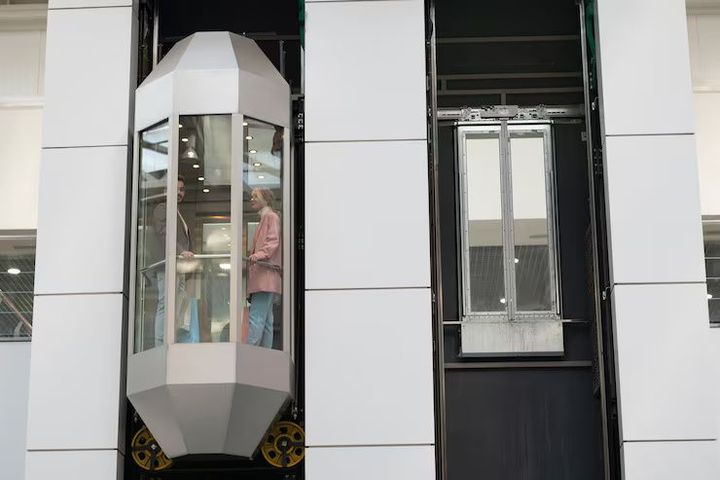
Industrial elevators are specialized vertical transportation systems designed to move heavy materials, equipment, and personnel within industrial environments. Unlike standard passenger elevators found in office buildings, industrial elevators are engineered to handle larger loads, operate in demanding environments, and support manufacturing, logistics, construction, and warehouse operations.
Industrial elevators are essential systems designed to move heavy materials and equipment across multiple levels in industrial environments. These elevators are commonly found in factories, warehouses, and processing plants where vertical transportation is critical for operations.
They help reduce manual labor and improve efficiency by enabling quick and safe movement of goods. Without them, industries would require more time, workforce, and infrastructure to manage vertical logistics.
Common Industrial Applications
Industrial elevators are widely used in several sectors where heavy lifting is required:
- Manufacturing plants
- Distribution warehouses
- Automotive assembly lines
- Construction sites
- Mining and energy facilities
- Food processing factories
Types of Industrial Elevators
Different types of industrial elevators are designed to meet specific operational needs:
- Freight elevators
- Hydraulic industrial lifts
- Traction-based elevators
- Rack-and-pinion elevators
- Construction material hoists
Why Industrial Elevators Matter in Modern Industry
Industrial elevators play a crucial role in maintaining efficiency in modern manufacturing and logistics. As industries adopt automation and expand vertically, these systems ensure smooth material flow between floors.
They also improve workplace safety by reducing physical strain on workers and minimizing manual handling of heavy loads.
Key Benefits
Industrial elevators help solve multiple operational challenges:
- Safe transportation of heavy equipment
- Reduced worker fatigue and injury risk
- Efficient use of vertical storage space
- Faster movement of goods
- Improved coordination in automated systems
Industry Usage Table
| Industry | Elevator Usage |
|---|---|
| Manufacturing | Moving machinery components and raw materials |
| Warehousing | Transporting pallets and storage containers |
| Construction | Lifting materials to elevated work areas |
| Mining | Moving equipment and workers underground |
| Logistics | Supporting high-volume distribution centers |
Recent Developments and Industry Trends
Industrial elevator technology has evolved significantly, especially with the rise of automation and smart systems. In 2025, several innovations have improved performance and efficiency.
Modern systems now integrate sensors and IoT-based monitoring to track real-time performance and detect issues early.
Key Trends
- Smart sensors for predictive maintenance
- Industrial IoT (IIoT) monitoring systems
- Energy-efficient motor technologies
- Automated freight elevators in logistics hubs
Automation and Sustainability
Automation has enabled elevators to integrate with robotic systems in warehouses, allowing seamless vertical movement without human intervention. This improves speed and reduces operational errors.
Sustainability is also a focus, with regenerative drive systems helping recover energy during operation. These innovations contribute to reduced energy consumption in large facilities.
Regulations, Safety Standards, and Government Policies
Industrial elevators must comply with strict safety and engineering standards to ensure reliable operation. These regulations vary by country but generally focus on worker safety and equipment performance.
They also include requirements for inspection, maintenance, and operator training.
Key Safety Frameworks
- International Organization for Standardization (ISO) guidelines
- Occupational safety regulations
- Building safety codes
- Electrical safety standards
Regional Regulations
- United States: OSHA regulations for workplace safety
- Europe: Machinery safety directives
- India: State-level lift and escalator acts
Tools and Resources Related to Industrial Elevators
Various tools support the design, monitoring, and maintenance of industrial elevators. These tools help engineers and facility managers ensure optimal performance.
They also assist in maintaining compliance with safety standards and improving operational efficiency.
Useful Tools
- Load capacity calculators
- Structural engineering software
- Industrial automation platforms
- Predictive maintenance dashboards
- Digital inspection checklists
- Safety compliance systems
Common Monitoring Metrics
| Monitoring Parameter | Purpose |
|---|---|
| Load weight tracking | Prevents overloading |
| Motor temperature | Protects drive components |
| Vibration detection | Identifies mechanical wear |
| Operational cycle count | Supports maintenance scheduling |
| Door alignment sensors | Ensures safe loading operations |
Frequently Asked Questions
What is the difference between industrial and passenger elevators?
Industrial elevators are built for transporting heavy goods and equipment, while passenger elevators are designed for people. They differ in load capacity, structure, and control systems.
Where are industrial elevators used?
They are commonly used in factories, warehouses, construction sites, mining operations, and logistics centers.
How much weight can industrial elevators handle?
Load capacity varies depending on the design. Some systems can handle several tons, while smaller ones are designed for lighter loads.
What technologies are used in modern systems?
Modern elevators use automation, sensors, predictive maintenance software, and energy-efficient drives to enhance performance.
How do they support warehouse automation?
Industrial elevators integrate with robotics and conveyor systems to transport goods automatically between levels.
Industrial Elevator System Performance Overview
Industrial elevator systems are designed to prioritize safety, efficiency, and reliability. These factors are essential in high-demand environments.
Operational Priorities Table
| Operational Factor | Priority Level |
|---|---|
| Load Capacity | Very High |
| Safety Compliance | Very High |
| Automation Integration | High |
| Energy Efficiency | Moderate |
| Speed Optimization | High |
Conclusion
Industrial elevators are a key component of modern industrial infrastructure. They enable efficient movement of materials and support large-scale operations in multi-level environments.
With advancements in automation, smart monitoring, and energy efficiency, these systems continue to evolve. Understanding their role helps industries improve productivity, safety, and operational performance.