Industrial Metrology Machines Guide: Understanding Precision Measurement Systems
Industrial metrology machines are specialized tools used to measure the size, shape, position, and quality of manufactured parts.
These systems play an important role in modern production environments where accuracy and consistency are necessary. From automotive components to aerospace parts, many industries rely on industrial metrology machines to verify that products meet required specifications.
The field of metrology refers to the science of measurement. Industrial metrology developed as manufacturing processes became more advanced and required tighter tolerances. As products became more complex, traditional measuring tools were no longer sufficient for many applications. This led to the development of industrial metrology equipment capable of collecting highly detailed measurements.
Today, precision measurement systems are used throughout manufacturing and engineering environments. These systems help organizations evaluate product dimensions, monitor production quality, and identify deviations before products reach end users.
A common example is the coordinate measuring machine, often called a CMM. This machine uses probes or sensors to measure physical characteristics of an object. Alongside coordinate measuring machines, manufacturers also use laser metrology systems, optical scanners, and automated inspection systems to support dimensional analysis and quality verification.
Industrial quality control systems often combine multiple measurement technologies. This integration helps improve consistency while reducing manual measurement tasks. As manufacturing processes continue to evolve, dimensional measurement equipment remains an essential part of quality assurance activities.
Importance
Supporting Product Accuracy
Many products contain parts that must fit together precisely. Small dimensional variations can affect performance, reliability, and safety. Precision inspection machines help identify these variations before products move further through production.
For example, engine components, medical devices, and electronic assemblies often require exact measurements. Industrial inspection equipment helps confirm that these parts meet design requirements.
Improving Manufacturing Consistency
Manufacturing processes can experience variation due to machine wear, temperature changes, material differences, and other factors. Industrial quality control systems help detect these variations early.
By regularly measuring parts during production, organizations can identify trends and make adjustments when necessary. This process supports more consistent manufacturing outcomes.
Reducing Material Waste
When measurement issues are detected late, large numbers of products may require rework or disposal. Precision measurement systems help identify problems earlier in the production cycle.
Benefits include:
- Reduced material waste
- Better process monitoring
- Improved production efficiency
- More consistent product dimensions
- Better documentation of measurement results
Supporting Regulatory Compliance
Many industries operate under strict quality requirements. Aerospace, medical technology, automotive manufacturing, and energy production often require detailed inspection records.
Industrial metrology equipment helps organizations document measurements and demonstrate compliance with industry standards and regulatory requirements.
Helping Everyday Consumers
Although consumers rarely see metrology equipment directly, its impact is widespread. Accurate measurements contribute to:
- Safer vehicles
- Reliable household appliances
- Better-performing electronics
- Consistent medical products
- Improved infrastructure components
As a result, dimensional measurement equipment indirectly affects many products used in daily life.
Recent Updates
Growth of Automated Inspection Systems
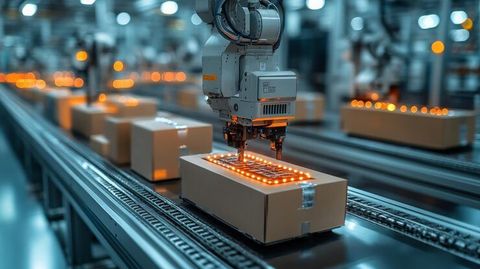
One major trend is the increasing use of automated inspection systems. Modern factories are integrating measurement technologies directly into production lines.
Instead of removing parts for separate inspection, measurements can often occur during manufacturing. This approach supports faster feedback and quicker identification of production issues.
Expansion of Laser Metrology Systems
Laser metrology systems continue to gain attention due to their ability to measure complex surfaces without physical contact.
These systems are particularly useful for:
- Large industrial components
- Complex geometric shapes
- Sensitive materials
- High-speed inspection processes
Advancements in laser scanning technology have improved measurement speed and data collection capabilities.
Integration with Digital Manufacturing
Industrial metrology machines are increasingly connected to digital manufacturing environments. Measurement data can be shared across production systems, engineering software, and quality management platforms.
This integration allows organizations to compare measured results with digital design models more efficiently.
Increased Use of Artificial Intelligence
Artificial intelligence and machine learning technologies are being incorporated into inspection workflows. These tools help analyze measurement data, identify patterns, and detect potential quality issues.
While human oversight remains important, data-driven analysis is becoming more common within industrial quality control systems.
Portable Measurement Solutions
Portable metrology equipment has become more widely available. These systems allow measurements to be performed directly on factory floors, construction sites, and maintenance locations.
Examples include portable coordinate measuring machine devices, handheld scanners, and mobile laser measurement systems.
Common Industrial Metrology Technologies
| Technology | Primary Function | Typical Application |
|---|---|---|
| Coordinate Measuring Machine | Contact-based dimensional measurement | Precision component inspection |
| Laser Metrology Systems | Non-contact surface measurement | Large and complex parts |
| Optical Scanners | Digital surface capture | Reverse engineering |
| Vision Inspection Systems | Image-based inspection | High-volume production |
| Portable Measuring Arms | On-site measurement | Maintenance and field inspections |
Laws or Policies
Measurement Standards and Traceability
Industrial measurement activities are often guided by national and international standards. These standards help ensure measurement consistency across industries and regions.
Many countries maintain national metrology institutes responsible for establishing measurement references and traceability systems.
Quality Management Requirements
Organizations operating in regulated industries frequently follow quality management frameworks. Standards such as ISO-based quality systems often include requirements related to measurement accuracy and equipment calibration.
Industrial metrology equipment is commonly calibrated against recognized reference standards to maintain measurement reliability.
Product Safety Regulations
Many products must comply with safety regulations before entering the market. Accurate dimensional verification helps demonstrate that products meet design and performance requirements.
Industries commonly affected include:
- Automotive manufacturing
- Aerospace production
- Medical device manufacturing
- Electrical equipment production
- Infrastructure development
Government Support for Advanced Manufacturing
Many governments support advanced manufacturing initiatives that encourage modernization of production facilities. These programs often promote digital inspection technologies, automated inspection systems, and precision measurement systems as part of broader industrial development goals.
Tools and Resources
Several tools and resources help professionals understand and manage measurement activities.
CAD and Measurement Software
Computer-aided design software allows engineers to create digital product models. Measurement software compares inspection results against these models to identify dimensional differences.
Examples include:
- CAD modeling platforms
- Inspection analysis software
- Statistical process control tools
- Quality management platforms
Calibration Resources
Calibration laboratories provide measurement verification and traceability support. These resources help maintain the accuracy of industrial metrology equipment over time.
Technical Standards Libraries
Industry standards organizations publish technical documents related to measurement procedures, tolerances, and quality requirements.
These resources help organizations establish consistent inspection practices.
Training Platforms
Educational platforms and technical institutes provide learning materials related to metrology principles, coordinate measuring machine operation, geometric dimensioning, and quality control methods.
Digital Reporting Systems
Modern reporting platforms allow measurement data to be stored, analyzed, and shared across departments. These systems support documentation and long-term quality tracking.
Understanding Metrology Equipment Manufacturers
Metrology equipment manufacturers develop a wide range of measurement technologies. Their products may include coordinate measuring machines, laser metrology systems, optical scanners, portable measurement devices, and automated inspection systems.
When evaluating measurement technologies, organizations typically consider application requirements, measurement range, accuracy needs, environmental conditions, and integration capabilities.
FAQs
What are industrial metrology machines?
Industrial metrology machines are specialized systems used to measure and verify the dimensions, geometry, and quality of manufactured parts. They help ensure products meet specified requirements.
What is a coordinate measuring machine?
A coordinate measuring machine is a precision measurement device that uses probes or sensors to determine the physical dimensions and geometric characteristics of an object.
How do laser metrology systems work?
Laser metrology systems use laser beams to collect measurement data without physically touching the object being measured. They are commonly used for large or complex components.
Why is industrial inspection equipment important?
Industrial inspection equipment helps identify manufacturing variations, verify product dimensions, support quality control activities, and maintain consistent production standards.
What is the difference between precision measurement systems and automated inspection systems?
Precision measurement systems focus on collecting accurate dimensional data, while automated inspection systems use automated processes to perform measurements and quality checks with limited manual intervention.
Conclusion
Industrial metrology machines form an essential part of modern manufacturing and quality assurance processes. These technologies help verify product dimensions, support industrial quality control systems, and improve consistency across production environments. From coordinate measuring machine technology to advanced laser metrology systems, measurement solutions continue to evolve alongside digital manufacturing trends. As industries seek greater accuracy and efficiency, precision measurement systems remain important tools for evaluating and maintaining product quality.