Industrial Park Overview Guide to Planning, Growth, and Development Insights
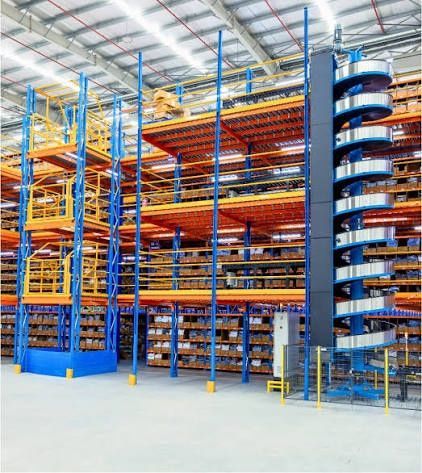
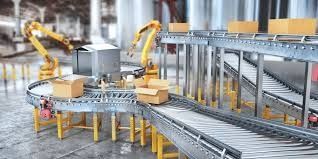
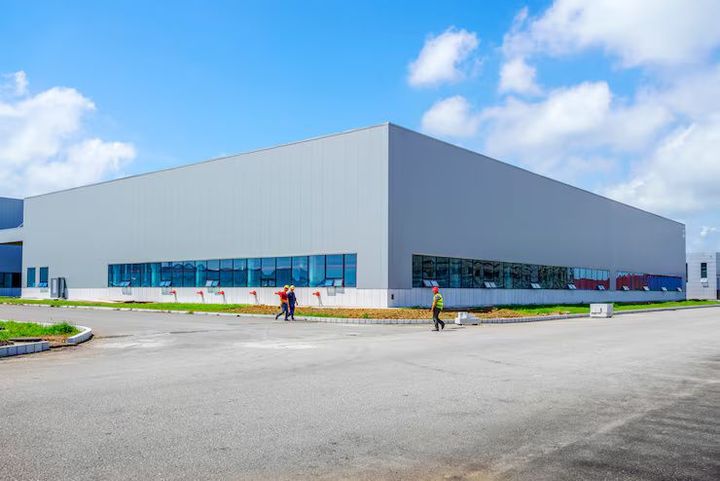
An industrial park is a designated area developed specifically for industrial and commercial activities such as manufacturing, warehousing, logistics, and research.
These zones are planned with infrastructure like roads, utilities, and transportation access to support efficient business operations.
Industrial parks exist to organize industrial activities in one place rather than spreading them across cities. This helps reduce environmental impact, improve efficiency, and simplify infrastructure planning. Governments and urban planners often design these parks to support economic growth while maintaining organized land use.
Industrial parks can vary in size and purpose. Some focus on heavy manufacturing, while others specialize in technology, pharmaceuticals, or export-oriented industries. Their structured design allows businesses to operate in a coordinated and efficient environment.
Importance: Why Industrial Parks Matter Today
Industrial parks play a major role in modern economies by supporting production, logistics, and innovation. As industries grow, the need for organized industrial zones becomes increasingly important.
They matter because they:
- Improve infrastructure efficiency by centralizing utilities and transportation
- Reduce environmental pressure on residential areas
- Encourage regional economic development
- Support supply chain optimization
- Provide a structured environment for industrial expansion
Industrial parks also affect multiple groups:
- Businesses benefit from shared infrastructure and proximity to suppliers
- Governments use them to boost industrial output and exports
- Communities experience improved employment ecosystems and urban planning
A key problem they solve is urban congestion caused by scattered industrial activities. By grouping industries together, industrial parks create better zoning and reduce conflicts between residential and industrial land use.
Recent Updates: Trends and Developments (2024–2025)
Industrial parks have evolved significantly in recent years, with several global trends shaping their development.
- In 2024, many countries introduced smart industrial parks integrating IoT systems for energy monitoring and logistics optimization
- Sustainability became a major focus, with green industrial parks adopting renewable energy and waste management systems
- Digital transformation increased, with automation and AI-driven operations becoming more common
- In 2025, governments expanded infrastructure investments in industrial corridors and logistics hubs
- Growth in e-commerce led to increased demand for warehousing and distribution-focused parks
A notable shift is the rise of mixed-use industrial zones, combining manufacturing with research, innovation centers, and office spaces. This approach supports collaboration and technological advancement.
Laws or Policies: Regulatory Framework and Government Role
Industrial parks are influenced by various laws and policies that guide their development and operation. These regulations ensure proper land use, environmental protection, and economic planning.
Key policy areas include:
- Zoning regulations that define where industrial parks can be established
- Environmental laws that control emissions, waste management, and resource use
- Infrastructure policies that support roads, power supply, and water systems
- Industrial development programs that encourage investment and regional growth
In countries like India, initiatives such as industrial corridors and special economic zones (SEZs) are closely related to industrial park development. These programs aim to improve manufacturing capacity and global competitiveness.
Regulations also ensure that industrial parks follow safety standards and maintain compliance with environmental guidelines. This helps balance economic growth with sustainability.
Tools and Resources: Helpful Platforms and Practical Aids
Understanding and planning industrial parks can involve several tools and resources that provide data, mapping, and analysis.
Mapping and Planning Tools
- Geographic Information Systems (GIS) for land analysis
- Urban planning software for layout design
- Infrastructure modeling tools
Data and Research Resources
- Government industrial development reports
- Economic data platforms
- Industry trend analysis websites
Operational Tools
- Energy management systems
- Logistics tracking platforms
- Environmental monitoring dashboards
These tools help planners, researchers, and policymakers make informed decisions about industrial park development and management.
Industrial Park Structure and Features
Below is a simplified overview of common components found in industrial parks:
| Component | Description |
|---|---|
| Infrastructure | Roads, electricity, water supply, and communication networks |
| Zoning Areas | Separate zones for manufacturing, warehousing, and administration |
| Logistics Access | Connectivity to highways, ports, and railways |
| Utilities Management | Centralized systems for waste, energy, and water |
| Support Facilities | Offices, research centers, and service buildings |
This structure ensures efficient operations and supports long-term industrial growth.
FAQs
What is the main purpose of an industrial park?
The main purpose is to centralize industrial activities in a planned area with proper infrastructure, improving efficiency and reducing environmental impact.
How do industrial parks support economic growth?
They attract industries, improve production efficiency, and create a structured environment for business expansion, which contributes to regional development.
Are industrial parks environmentally sustainable?
Modern industrial parks increasingly focus on sustainability by using renewable energy, waste management systems, and green infrastructure.
What types of industries are located in industrial parks?
They can include manufacturing, logistics, technology, pharmaceuticals, and research-based industries depending on the park’s design.
How are industrial parks different from regular industrial areas?
Industrial parks are planned and organized with dedicated infrastructure and zoning, while regular industrial areas may develop without structured planning.
Conclusion
Industrial parks are an essential part of modern industrial and economic systems. They provide a structured and efficient environment for industries to operate while supporting sustainable development and urban planning.
With recent advancements in technology and sustainability, industrial parks are evolving into smarter and more integrated ecosystems. Their role in supporting logistics, manufacturing, and innovation continues to grow, making them a key element in global economic development.
Understanding their structure, importance, and regulatory framework helps individuals and organizations better appreciate how industrial parks contribute to organized growth and long-term planning.