Metal Coating & Plating Equipment Guide: Basics, Uses, and Industry Insights
Metal coating and plating equipment refers to industrial systems used to apply protective or decorative layers of metal onto the surface of another material. These coatings improve durability, corrosion resistance, electrical conductivity, and appearance. The process is widely used across manufacturing industries including electronics, automotive production, aerospace engineering, and industrial machinery fabrication.
Metal plating involves applying a thin metal layer to a surface using chemical or electrochemical methods. Electroplating is one of the most widely used techniques, where electric current deposits metals like nickel, chromium, copper, or zinc onto a base material.
Other coating methods include electroless plating, powder coating preparation systems, and vapor deposition processes. These techniques are essential in improving surface properties without altering the core material.
Key Equipment Used
The plating process relies on specialized equipment to ensure precision and consistency. These components help maintain stable chemical conditions and uniform coating thickness.
- Plating tanks
- Filtration systems
- Rectifiers
- Chemical circulation units
- Automated control panels
Common Types of Coating Equipment
Different coating methods require specific systems designed for particular applications. These systems are built to control temperature, chemistry, and deposition quality.
- Electroplating tanks and rectifiers
- Electroless plating systems
- Anodizing equipment
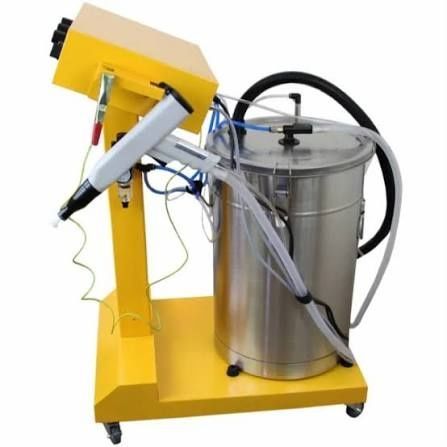
- Powder coating preparation systems
- Vacuum deposition chambers
Why Metal Coating and Plating Equipment Matters Today
Metal coating technology plays a crucial role in modern manufacturing. It allows industries to produce stronger, lighter, and more durable components without significantly increasing weight.
Coated materials also last longer, reducing the need for frequent replacements and minimizing material waste. This makes plating an important part of sustainable manufacturing practices.
Key Industry Applications
Many industries depend on plating technologies to enhance performance and durability. These coatings help components withstand environmental stress and mechanical wear.
- Automotive manufacturing for corrosion protection
- Electronics production for conductivity
- Aerospace engineering for high-performance coatings
- Construction for protective metal layers
- Renewable energy systems like wind turbines
Functional and Aesthetic Benefits
Metal coatings improve both functionality and appearance. In electronics, thin coatings ensure reliable connections, while in automotive systems, they enhance durability under extreme conditions.
Decorative finishes such as chrome or nickel plating also improve product aesthetics. These are commonly used in appliances, consumer goods, and hardware.
Recent Updates in Metal Coating Technology
Recent advancements have significantly transformed the plating equipment industry. Automation and digital monitoring are now widely used to improve precision and efficiency.
Smart systems track parameters such as temperature, bath composition, and electrical current to maintain consistent coating quality. Robotics are also being introduced to handle components safely and efficiently.
Emerging Trends
New developments focus on sustainability and high-performance applications. These trends are shaping the future of metal coating processes.
- Eco-friendly plating chemicals
- Advanced filtration systems
- Nano-coating technologies
- High-performance coatings for electric vehicles
- Increased automation and robotics
Industry Technology Trends Table
| Technology Focus | Industry Trend |
|---|---|
| Automated plating lines | Rapid growth |
| Smart monitoring sensors | High adoption |
| Eco-friendly chemicals | Increasing research |
| Precision nano-coatings | Expanding use |
Regulations and Policies Affecting Metal Plating
Metal plating operations are governed by strict environmental and safety regulations. These rules ensure proper handling of chemicals and minimize environmental impact.
Many countries regulate the use of metals such as chromium, nickel, and cadmium due to their potential risks. Facilities must follow guidelines for emissions control and wastewater management.
Key Regulatory Frameworks
Several global policies influence plating operations and promote safer alternatives. These frameworks encourage responsible manufacturing practices.
- Environmental Protection Agency (EPA) regulations
- REACH framework in the European Union
- Restriction of Hazardous Substances (RoHS) directive
- Workplace safety and ventilation standards
Sustainability Initiatives
Governments and organizations promote cleaner technologies in plating processes. These initiatives help reduce environmental impact while maintaining efficiency.
- Closed-loop chemical recycling
- Energy-efficient equipment
- Advanced filtration systems
- Reduced water consumption
Tools and Resources for Metal Coating Processes
Professionals use various tools to maintain precision in metal coating operations. These tools help design systems, monitor processes, and ensure quality control.
Common Tools Used
- CAD software for equipment layout
- Electroplating simulation software
- Chemical monitoring systems
- Industrial IoT dashboards
- Surface thickness measurement instruments
- Laboratory testing tools
Process Monitoring Parameters
Modern plating systems rely on real-time data to maintain efficiency. Monitoring key parameters ensures consistent coating results.
| Process Parameter | Purpose |
|---|---|
| Temperature | Maintains chemical stability |
| Current density | Ensures uniform deposition |
| Bath chemistry | Controls plating quality |
| Filtration levels | Removes contaminants |
Frequently Asked Questions
What is metal plating used for?
Metal plating is used to improve durability, corrosion resistance, electrical conductivity, and appearance by applying a thin metal layer.
What metals are commonly used?
Common metals include nickel, chromium, copper, zinc, gold, and silver, depending on the application.
What is the difference between electroplating and electroless plating?
Electroplating uses electrical current, while electroless plating relies on chemical reactions without electricity.
Which industries use metal coating technology?
Industries such as automotive, electronics, aerospace, construction, and renewable energy rely heavily on these processes.
How is coating thickness measured?
It is measured using tools like X-ray fluorescence analyzers, magnetic gauges, or ultrasonic devices.
Additional Insights into Surface Finishing Technology
Surface finishing is essential for protecting metal components from corrosion and wear. Without proper coatings, materials may fail under environmental or mechanical stress.
Modern technologies aim to enhance performance while maintaining efficiency. These coatings are widely used across various industries for multiple benefits.
Key Benefits of Surface Finishing
- Increased lifespan of components
- Better resistance to environmental exposure
- Improved electrical conductivity
- Enhanced mechanical strength
- Consistent surface appearance
Emerging Innovations
Nano-coating technologies are gaining attention for their advanced capabilities. These ultra-thin coatings improve performance in electronics, medical devices, and aerospace applications.
Manufacturers are also integrating automation with traditional plating methods to maintain quality at scale. This combination ensures consistent production and improved efficiency.
Conclusion
Metal coating and plating equipment are essential in modern manufacturing. They improve durability, functionality, and reliability across various industries, from electronics to automotive engineering.
Recent advancements in automation, sustainability, and smart manufacturing continue to shape the future of plating technologies. At the same time, regulatory frameworks ensure safe and environmentally responsible operations.
Understanding these technologies helps industry professionals adapt to evolving manufacturing demands. As innovation continues, metal coating processes will remain vital for producing high-performance and long-lasting products.