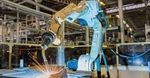
The concept of optical sorting emerged to improve efficiency and accuracy in industries handling large volumes of materials. Manual sorting is often slow and prone to errors, especially when dealing with small or visually similar items. Optical sorting machines solve this by using automated, data-driven processes for consistent results .
These machines are widely used across multiple industries due to their ability to streamline operations and maintain quality standards.
Key Industries Using Optical Sorting
-
Food processing (grains, fruits, vegetables)
-
Recycling and waste management
-
Mining and mineral processing
-
Pharmaceuticals and manufacturing
Basic Working Process
-
Materials are fed onto a conveyor system
-
Sensors scan and capture data
-
Software analyzes characteristics in real time
-
Air jets or mechanical systems separate items
Why Optical Sorting Machines Matter Today
Optical sorting technology plays a vital role in modern industrial automation. It supports efficiency, quality control, and sustainability, which are essential in today’s competitive industries .
In food processing, these machines help remove defective or contaminated items, ensuring compliance with safety standards. They also reduce manual labor and increase production capacity.
Key Benefits
-
Improved accuracy and consistency
-
Faster processing speeds
-
Reduced material waste
-
Enhanced safety and hygiene
-
Support for circular economy initiatives
Industries such as agriculture, waste management, and manufacturing rely heavily on these systems to meet global demand efficiently.
Recent Trends and Developments in 2025
Optical sorting technology continues to evolve with advancements in artificial intelligence, machine learning, and sensor technologies. These innovations are improving sorting accuracy and operational efficiency.
AI-powered image recognition systems can now analyze complex patterns and improve performance over time. Hyperspectral imaging is another major advancement, enabling detection of material composition beyond visible light .
Key Developments
-
Increased use of AI-driven sorting algorithms
-
Expansion of hyperspectral and near-infrared (NIR) technologies
-
Improved energy efficiency in machines
-
Integration with Industry 4.0 and IoT systems
Smart factories now connect sorting machines to centralized systems for real-time monitoring, predictive maintenance, and performance optimization.
Regulatory Environment and Compliance Considerations
Optical sorting machines are subject to various regulations, especially in food processing, recycling, and manufacturing industries. Compliance ensures safety, quality, and environmental responsibility .
In India, guidelines from regulatory bodies such as FSSAI emphasize hygiene, contamination control, and traceability in food processing systems. Environmental policies also encourage advanced sorting technologies to improve recycling rates.
Key Regulatory Areas
-
Food safety and hygiene standards
-
Environmental regulations for waste management
-
Occupational safety requirements
-
Product quality and certification standards
Adhering to these regulations helps industries maintain consistent product quality and safe operations.
Tools and Resources for Optical Sorting Systems
Various tools and technologies support the operation and optimization of optical sorting machines. These tools enhance performance, monitoring, and system integration.
Common Tools
-
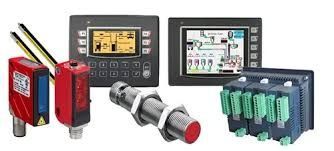
Machine vision software for image analysis
-
AI-based data processing platforms
-
Industrial automation systems
-
Sensor calibration tools
-
Performance monitoring dashboards
Sensor Technology Comparison
| Sensor Type | Functionality | Typical Application |
|---|
| RGB Cameras | Detect color and shape | Food sorting |
| Near-Infrared (NIR) | Identify material composition | Recycling and plastics |
| Hyperspectral Imaging | Advanced chemical analysis | Mining and precision tasks |
| Laser Sensors | Detect size and structure | Industrial manufacturing |
Useful Digital Resources
-
CAD tools for system design
-
Simulation software for workflow optimization
-
Industrial IoT platforms for real-time monitoring
-
Data analytics tools for performance evaluation
Frequently Asked Questions
What is an optical sorting machine used for?
It is used to separate materials based on properties like color, size, shape, and composition.
How does optical sorting improve efficiency?
It automates sorting, reduces human error, and increases processing speed.
Which industries benefit the most?
Food processing, recycling, mining, pharmaceuticals, and manufacturing industries benefit significantly.
What is hyperspectral imaging?
It captures data across multiple wavelengths, allowing detection of material composition beyond visible light.
Are optical sorting machines environmentally beneficial?
Yes, they improve recycling efficiency, reduce waste, and support sustainable practices.
Additional Insights and Industry Data
Optical sorting machines are a key component of Industry 4.0, where automation and data-driven systems are interconnected. These systems help industries improve efficiency and maintain high-quality standards .
Industry Priorities
| Focus Area | Importance Level |
|---|
| Automation Integration | High |
| AI and Machine Learning | High |
| Energy Efficiency | Moderate |
| Sustainability | High |
Modern systems often include predictive maintenance features that detect potential issues before failures occur. Data analytics further supports continuous improvement in sorting accuracy and operational efficiency.
Conclusion
Optical sorting machines have become essential in modern industrial processes. They combine advanced sensors, artificial intelligence, and automation to deliver accurate and efficient sorting solutions .
Their importance continues to grow as industries prioritize quality control, sustainability, and efficiency. Innovations such as AI integration and hyperspectral imaging have further enhanced their capabilities.
With increasing global demand and continuous technological advancements, optical sorting machines are expected to remain a critical part of industrial automation in the future.