Paper Sheeting Machines Overview for Modern Packaging and Cutting Processes
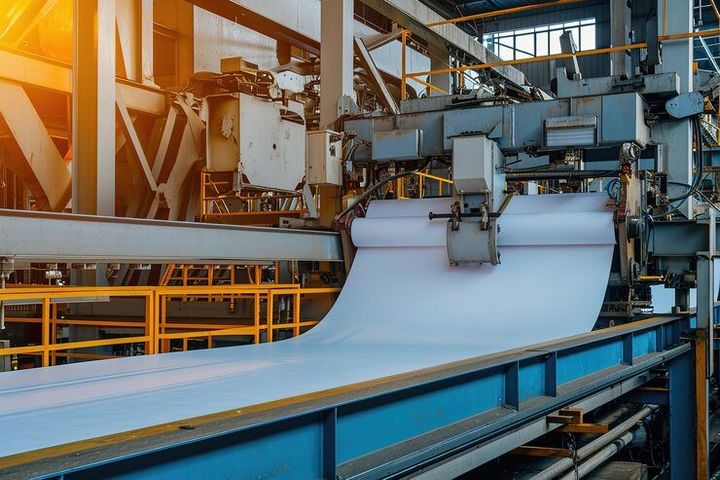
Paper sheeting machines are industrial systems designed to cut large paper rolls into flat sheets of specific sizes. These machines are commonly used in packaging, printing, publishing, labeling, and paper processing industries.
The purpose of paper sheeting equipment is to improve accuracy, maintain consistent sheet dimensions, and support faster production workflows.
The history of paper cutting and sheeting machine technology developed alongside the growth of commercial printing and paper packaging. Earlier paper processing methods relied heavily on manual cutting tools, which often created uneven results and slower output. As paper demand increased in factories and printing facilities, industrial paper sheeting machines became more advanced and automated.
Today, automatic paper sheeting machine systems can process many paper grades, including coated paper, kraft paper, duplex board, cardboard, and specialty packaging paper. Modern equipment may include digital controls, tension adjustment systems, roll feeding units, and stacking mechanisms.
Many paper sheeting machine manufacturers now produce systems tailored for different industries. A paper sheeting machine for packaging industry applications may focus on heavy paperboard and carton stock, while a paper sheeting machine for printing industry operations often prioritizes precision and smooth finishing for books, magazines, and commercial printing materials.
Common Machine Types
Different machine designs are used depending on the material and production needs:
| Machine Type | Main Application | Typical Material |
|---|---|---|
| Automatic paper sheeting machine | Continuous industrial production | Printing paper, packaging paper |
| Duplex paper sheeting machines | Duplex board processing | Carton board, packaging board |
| High speed paper sheeting machine | Large-volume output | Commercial paper rolls |
| Paper sheeting production line | Integrated processing systems | Mixed industrial paper grades |
| Paper cutting and sheeting machine | Combined cutting operations | Printing and office paper |
Main Components of Paper Sheeting Equipment
Most paper sheeting equipment contains several core sections working together:
- Roll feeding unit controls paper input from large rolls.
- Slitting section trims paper width when needed.
- Rotary cutting system cuts paper into sheets.
- Conveyor system moves sheets smoothly after cutting.
- Stacking section arranges finished sheets into organized piles.
- Control panel allows operators to monitor speed and dimensions.
These systems are often integrated into larger paper handling and packaging environments.
Importance
Paper sheeting machines play an important role in modern manufacturing because many industries depend on accurately cut paper sheets. Packaging plants, printing facilities, paper converters, and publishing operations all rely on consistent sheet sizing to maintain efficient production.
A high speed paper sheeting machine can help reduce material waste by improving cutting precision. In large-scale industrial environments, uneven paper dimensions may create alignment problems during printing, folding, or packaging stages. Accurate sheeting helps reduce interruptions and improves workflow consistency.
Importance in Packaging
The paper sheeting machine for packaging industry applications has become increasingly important as paper-based packaging continues expanding in food packaging, retail shipping, and consumer goods. Packaging materials often require exact sheet sizes for carton production and folding operations.
Duplex paper sheeting machines are especially common in carton manufacturing because duplex board materials are widely used for packaging boxes and display products. These machines are designed to handle thicker paperboard materials without damaging the surface.
Importance in Printing
The paper sheeting machine for printing industry operations supports commercial printing processes by preparing sheets with precise dimensions and smooth edges. Printing facilities use cut sheets for books, brochures, newspapers, labels, and marketing materials.
Printing quality can be affected if sheets are inconsistent in size or improperly aligned. Industrial paper sheeting machines help maintain uniformity across large production batches.
Workplace Efficiency and Automation
Automation has become a major factor in modern paper processing. Automatic paper sheeting machine systems reduce manual handling and support continuous operation. Many systems now include programmable controls that allow operators to change sheet sizes and production settings more efficiently.
Some facilities use complete paper sheeting production line systems where sheeting equipment works alongside printing, coating, or packaging machines. This integrated approach helps manufacturers manage high production volumes while maintaining consistency.
Recent Updates
From 2024 to 2026, paper processing industries have continued focusing on automation, digital monitoring, and sustainability. Many paper sheeting machine manufacturers are developing systems that improve operational accuracy while reducing paper waste.
Digital Monitoring Systems
Modern industrial paper sheeting machines increasingly include touchscreen interfaces and digital sensors. These systems monitor paper tension, cutting alignment, and production speed in real time.
Some machines now support remote diagnostics and maintenance tracking. Operators can identify mechanical issues earlier, helping reduce unexpected production interruptions.
Growth of Sustainable Packaging
The increased use of recyclable paper packaging has influenced paper sheeting equipment development. More facilities are processing kraft paper, recycled board, and lightweight packaging materials.
As paper packaging usage grows across retail and shipping industries, demand for paper sheeting machine for packaging industry applications has also increased. Machines are being designed to handle a wider range of environmentally focused materials.
Faster Production Speeds
High speed paper sheeting machine systems have continued evolving to support larger industrial workloads. Improvements in rotary cutting mechanisms and feeding controls allow some production lines to process material more smoothly at higher operating speeds.
At the same time, manufacturers are focusing on reducing vibration and improving cut accuracy during faster operations.
Integrated Production Systems
The use of full paper sheeting production line systems has expanded in larger manufacturing facilities. Instead of operating individual machines separately, some factories now integrate sheeting, stacking, wrapping, and inspection systems into connected production environments.
This trend supports more consistent material handling and production planning.
Laws or Policies
Paper sheeting machines are influenced by industrial safety rules, environmental regulations, and manufacturing standards in many countries. Regulations may vary depending on the region and type of paper processing operation.
Workplace Safety Regulations
Industrial machinery typically falls under workplace safety guidelines related to machine guarding, operator protection, emergency stop systems, and electrical safety.
In countries such as the United States, industrial paper sheeting machines may be regulated under workplace safety frameworks administered by agencies like the Occupational Safety and Health Administration (OSHA). Similar workplace safety authorities exist in Europe, India, Japan, and other manufacturing regions.
Common safety requirements may include:
- Emergency shutdown controls
- Protective covers around cutting systems
- Operator training procedures
- Noise reduction measures
- Electrical protection standards
Environmental Policies
Environmental regulations affecting paper industries also influence paper sheeting equipment operations. Many regions encourage reduced paper waste, improved recycling practices, and lower industrial emissions.
Factories processing recycled paper materials may need to follow local environmental handling requirements. Some governments also promote energy-efficient industrial machinery as part of sustainability programs.
International Manufacturing Standards
Many paper sheeting machine manufacturers design equipment according to international standards related to industrial machinery and electrical systems. These standards may help improve compatibility, safety, and operational consistency across global markets.
In export-oriented industries, packaging and printing facilities may also follow quality management systems such as ISO manufacturing standards.
Tools and Resources
Several digital tools and industrial resources are commonly used alongside paper sheeting machines to support production planning and equipment management.
Production Planning Software
Manufacturing facilities often use production management platforms to organize paper inventory, cutting schedules, and workflow planning. These systems help track sheet dimensions, paper grades, and machine utilization.
Examples include:
- Enterprise resource planning software
- Manufacturing execution systems
- Inventory management platforms
- Production scheduling dashboards
Machine Monitoring Systems
Modern paper sheeting equipment may include monitoring tools that display production statistics and maintenance alerts. These systems help operators review machine performance and identify irregularities.
Common monitoring features include:
- Roll tension indicators
- Speed tracking systems
- Error detection alerts
- Output counting systems
- Maintenance scheduling tools
Design and Layout Software
Packaging and printing industries often use layout software to determine sheet dimensions before production begins. These tools help optimize paper usage and reduce trimming waste.
Examples include:
- Packaging layout design software
- Print imposition tools
- CAD-based industrial planning systems
Training and Technical Documentation
Machine operators and technicians often rely on digital manuals, instructional videos, and technical diagrams for equipment operation and maintenance guidance. Many industrial equipment providers now supply electronic documentation systems alongside machine installations.
FAQs
What are paper sheeting machines used for?
Paper sheeting machines are used to cut large rolls of paper into flat sheets of specific sizes. They are commonly used in packaging, printing, publishing, and industrial paper processing.
How does an automatic paper sheeting machine work?
An automatic paper sheeting machine feeds paper from large rolls through cutting sections that create uniform sheet sizes. The machine then stacks or transfers the sheets for further processing.
What is the difference between duplex paper sheeting machines and standard machines?
Duplex paper sheeting machines are designed to process thicker duplex board materials commonly used in packaging cartons and display boxes. Standard machines may focus on lighter printing or office paper grades.
Why are industrial paper sheeting machines important in packaging?
Industrial paper sheeting machines help maintain accurate sheet sizes for carton production, folding operations, and packaging assembly. Consistent sheet dimensions support smoother packaging workflows.
What industries use paper cutting and sheeting machine systems?
Paper cutting and sheeting machine systems are widely used in printing, packaging, publishing, labeling, paper conversion, and commercial manufacturing industries.
Conclusion
Paper sheeting machines are an important part of modern paper processing and packaging operations. These systems support accurate cutting, organized material handling, and efficient production across printing and industrial environments. Developments in automation, digital controls, and sustainable material processing continue shaping the evolution of paper sheeting equipment. As packaging and printing industries expand, paper sheeting production line systems remain closely connected to large-scale manufacturing workflows.