Sheet Metal Bending Machines Insights: Technology Trends & Industry Guide
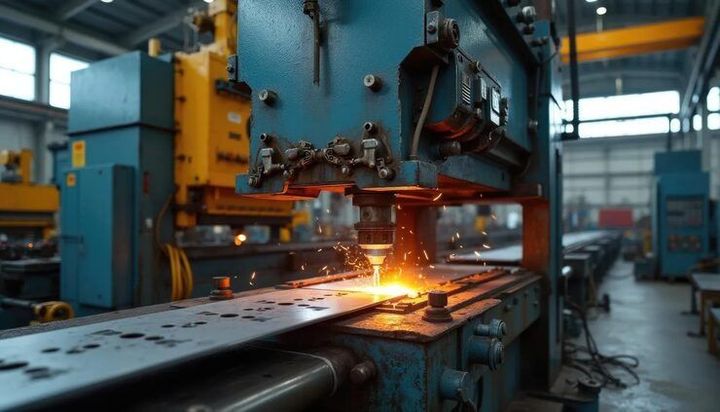
Sheet metal bending machines are industrial tools designed to shape flat metal sheets into desired angles and forms. These machines are widely used in manufacturing industries such as automotive, construction, aerospace, and electronics. Their primary purpose is to transform raw sheet metal into functional components like panels, brackets, enclosures, and frames.
The process of bending involves applying force to a metal sheet along a straight axis to create a permanent angle. Over time, these machines have evolved from manual and mechanical systems to advanced computer-controlled equipment. Modern machines now integrate automation, precision engineering, and digital interfaces, making them more efficient and reliable.
Common types of sheet metal bending machines include:
- Press brakes (mechanical, hydraulic, and CNC)
- Folding machines
- Panel benders
- Roll bending machines
Each type is suited for specific applications depending on material thickness, complexity, and production volume.
Importance – Why This Technology Matters Today
Sheet metal bending machines play a crucial role in modern manufacturing. As industries demand higher precision, faster production, and consistent quality, these machines help meet those expectations efficiently.
Their importance can be understood across several key areas:
- Manufacturing Efficiency: Automated bending systems reduce manual labor and improve production speed, allowing industries to handle large-scale operations.
- Precision Engineering: CNC-based machines ensure accurate angles and repeatability, which is essential in industries like aerospace and electronics.
- Material Optimization: Advanced bending techniques minimize waste, helping industries use raw materials more effectively.
- Customization Capabilities: Modern machines can handle complex designs, supporting industries that require custom fabrication.
Industries that benefit significantly include:
- Automotive manufacturing for body panels and structural parts
- Construction for metal frameworks and roofing components
- Electrical and electronics for enclosures and cabinets
- HVAC systems for ductwork and fittings
By solving challenges related to accuracy, productivity, and scalability, sheet metal bending machines remain essential in industrial growth.
Recent Updates – Trends and Developments in the Past Year
The past year has seen notable advancements in sheet metal bending technology, driven by automation, digital transformation, and sustainability goals.
Automation and Smart Manufacturing (2025–2026)
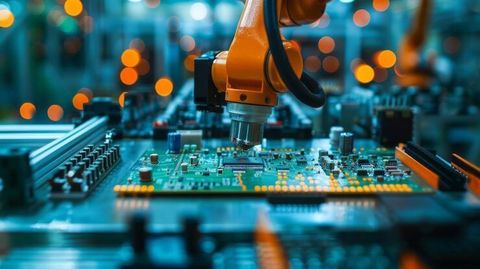
Many manufacturers are adopting smart factory concepts. Machines now feature sensors, IoT connectivity, and real-time monitoring systems. These improvements help track performance, reduce downtime, and improve operational efficiency.
Integration of Artificial Intelligence
AI-driven software is being used to optimize bending sequences and reduce errors. These systems analyze material properties and automatically adjust parameters for better accuracy.
Energy-Efficient Machines
There is a growing focus on reducing energy consumption. New hydraulic systems and electric press brakes are designed to consume less power while maintaining high performance.
Advanced CNC Controls
Modern CNC systems now include touchscreen interfaces, 3D simulation, and automated tool setup. These features improve usability and reduce setup time.
Sustainable Manufacturing Practices
Industries are focusing on eco-friendly production. Machines are being designed to reduce waste, improve recyclability, and support green manufacturing standards.
Lightweight Material Handling
With increased use of aluminum and composite materials, machines are being adapted to handle lighter but more sensitive materials without damage.
Laws or Policies – Regulations and Compliance in India
Sheet metal bending operations in India are influenced by several industrial regulations and safety standards. These policies aim to ensure worker safety, environmental protection, and operational efficiency.
Industrial Safety Regulations
Factories must follow guidelines under the Factories Act, which includes:
- Proper machine guarding
- Operator safety training
- Regular equipment maintenance
Environmental Compliance
Manufacturing units must adhere to pollution control norms set by regulatory authorities. This includes:
- Managing metal waste and scrap
- Controlling emissions and noise levels
- Following recycling guidelines
Make in India Initiative
Government programs encourage domestic manufacturing and the adoption of modern machinery. This initiative promotes:
- Technological upgrades
- Increased productivity
- Global competitiveness
Energy Efficiency Standards
Industries are encouraged to adopt energy-efficient machines to reduce power consumption and environmental impact.
These regulations ensure that sheet metal bending operations remain safe, compliant, and aligned with national industrial goals.
Tools and Resources – Useful Platforms and Solutions
Professionals working with sheet metal bending machines can benefit from a variety of tools and resources that improve productivity and accuracy.
Software Tools
- CAD (Computer-Aided Design) software for designing metal components
- CAM (Computer-Aided Manufacturing) systems for programming machines
- CNC simulation software for testing bending sequences
Online Calculators
- Bend allowance calculators
- Material thickness and force calculation tools
- Angle and radius estimation tools
Learning Resources
- Industry blogs and technical guides
- Online courses on CNC machining and metal fabrication
- Video tutorials for machine operation and maintenance
Templates and Documentation
- Standard operating procedures (SOPs)
- Maintenance checklists
- Quality control templates
Monitoring and Analytics Tools
- Machine performance tracking systems
- Predictive maintenance software
- Production analytics dashboards
These tools help operators, engineers, and manufacturers improve workflow efficiency and maintain consistent quality.
Sample Comparison Table – Types of Bending Machines
| Machine Type | Key Feature | Best Use Case | Precision Level |
|---|---|---|---|
| Mechanical Press | Fast operation | High-volume production | Medium |
| Hydraulic Press | Strong force control | Thick materials | High |
| CNC Press Brake | Automated precision | Complex designs | Very High |
| Panel Bender | Flexible bending | Large panels | High |
Simple Process Flow Diagram
Raw Material → Machine Setup → Bending Operation → Quality Check → Final Output
This basic flow shows how sheet metal is transformed into finished components using bending machines.
FAQs – Common Questions Answered
What is the main function of a sheet metal bending machine?
It is used to bend flat metal sheets into specific shapes and angles required for industrial applications.
What materials can be used in bending machines?
Common materials include steel, aluminum, copper, and stainless steel. The choice depends on the application and machine capability.
How does CNC technology improve bending accuracy?
CNC systems use programmed instructions to control movement and force, ensuring consistent and precise results.
Are modern bending machines energy efficient?
Yes, many newer machines are designed with energy-saving features, including electric drives and optimized hydraulic systems.
What skills are required to operate these machines?
Basic technical knowledge, understanding of machine controls, and familiarity with safety procedures are essential.
Conclusion – Key Takeaways
Sheet metal bending machines are a fundamental part of modern manufacturing, enabling industries to produce precise and durable components. With advancements in automation, AI, and energy efficiency, these machines are becoming smarter and more adaptable.
Their importance continues to grow as industries demand higher productivity and sustainability. By understanding current trends, regulations, and available tools, professionals can better utilize these machines and stay aligned with industry developments.