Small Construction Equipment Guide: Essential Uses, Features, and Practical Knowledge
Small construction equipment plays an important role in modern building, landscaping, road maintenance, and property improvement projects.
These machines are designed to perform construction tasks in locations where larger machinery may be difficult to use. From residential developments to small commercial projects, compact equipment helps workers complete tasks with greater precision in limited spaces.
The development of compact construction equipment began as a response to the growing need for machinery that could operate efficiently in urban areas, residential neighborhoods, and sites with restricted access. Over time, manufacturers introduced smaller versions of excavators, loaders, trenchers, and other machines to meet these requirements.
Today, mini construction machinery is widely used across many industries. Construction crews, landscapers, utility contractors, and property managers often rely on these machines for excavation, grading, material handling, and site preparation. Small construction tools and machinery have become common because they provide practical solutions for projects that do not require large-scale equipment.
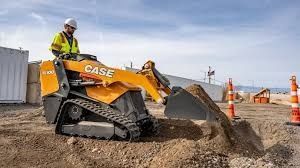
Common examples include mini excavators, compact track loaders, skid steer loaders, mini dumpers, compact rollers, and small earth moving equipment. Each machine is designed for specific tasks while maintaining a relatively small footprint compared to larger construction vehicles.
Common Categories of Small Construction Equipment
Several categories of equipment are frequently used in construction and landscaping projects:
- Mini excavators for digging trenches, foundations, and drainage channels.
- Skid steer loaders for moving materials and handling attachments.
- Compact track loaders for operating on uneven or soft ground.
- Mini dumpers for transporting soil, gravel, and debris.
- Plate compactors and rollers for soil and surface compaction.
- Trenchers for creating narrow utility trenches.
- Concrete mixers and cutters for small construction applications.
Typical Applications
Small construction equipment can be found in many project types, including:
- Residential construction
- Landscaping projects
- Utility installation
- Road and sidewalk maintenance
- Agricultural infrastructure
- Property improvement work
These machines are often selected when site accessibility, maneuverability, and reduced ground disturbance are important considerations.
Importance
Small construction equipment has become increasingly important because many construction projects take place in densely populated areas or locations with limited access. Large machinery may be difficult to transport or operate in such environments.
Supporting Urban Development
As cities expand, construction frequently occurs in confined spaces. Compact construction equipment allows operators to work in narrow streets, small lots, and areas surrounded by existing buildings. This helps reduce disruption while maintaining productivity.
Improving Site Accessibility
Many residential and landscaping projects involve gates, pathways, or tight working areas. Landscaping construction equipment such as mini excavators and compact loaders can often access spaces that larger machines cannot reach easily.
Enhancing Efficiency
Using appropriately sized equipment can improve workflow by matching machine capabilities to project requirements. Small earth moving equipment is often suitable for excavation, grading, and material movement on projects where large volumes of material are not involved.
Supporting Safety
Smaller machines generally provide operators with improved visibility in confined environments. Modern equipment also includes safety features such as rollover protection systems, backup alarms, cameras, and stability controls.
Flexible Equipment Access
Many contractors and property owners use small construction equipment rental arrangements when equipment is needed for a limited period. This approach allows temporary access to specialized machinery for specific projects without long-term ownership responsibilities.
Recent Updates
The small construction equipment sector has experienced several notable developments between 2024 and 2026. These changes focus primarily on technology integration, environmental considerations, and operator convenience.
Growth of Smart Construction Equipment
Smart construction equipment has become more common across various machine categories. New systems use sensors, telematics, and digital monitoring tools to track machine performance and maintenance requirements.
Features increasingly found in compact machines include:
- GPS-assisted positioning
- Remote equipment monitoring
- Digital maintenance alerts
- Fuel consumption tracking
- Machine diagnostics systems
These technologies help operators and fleet managers better understand equipment performance and operational status.
Expansion of Electric Equipment
Electric mini construction machinery continues to gain attention, particularly in urban environments. Electric compact excavators, loaders, and utility vehicles produce lower noise levels and eliminate direct exhaust emissions during operation.
This trend is especially relevant for indoor construction, municipal projects, and locations with environmental restrictions.
Improved Operator Comfort
Manufacturers have introduced updates that improve operator experience, including:
- Enhanced cabin visibility
- Adjustable seating systems
- Improved climate control
- User-friendly control interfaces
- Reduced vibration levels
These changes aim to support longer operating periods while reducing operator fatigue.
Attachment Versatility
Many compact construction equipment models now support a wider range of attachments. A single machine may be adapted for digging, grading, trenching, lifting, sweeping, or drilling by changing attachments, increasing operational flexibility.
Data Integration
Construction companies increasingly use digital platforms that connect machine information with project management systems. This integration supports maintenance scheduling, equipment tracking, and operational planning.
Laws or Policies
Construction equipment use is influenced by regulations related to safety, environmental protection, transportation, and workplace standards. Requirements vary by country and local jurisdiction.
Workplace Safety Requirements
Most countries require construction sites to follow workplace safety regulations. These rules commonly address:
- Operator training
- Personal protective equipment
- Equipment inspections
- Hazard identification
- Safe operating procedures
Employers and equipment operators are generally responsible for maintaining safe working environments.
Environmental Regulations
Environmental policies may affect how construction equipment is used, particularly regarding:
- Engine emissions
- Noise levels
- Fuel handling
- Waste disposal
- Soil and water protection
Many regions have adopted stricter emission standards, encouraging the use of cleaner engine technologies and alternative power sources.
Equipment Transportation Rules
Moving compact machinery between project locations often requires compliance with transportation regulations. These may include vehicle weight limits, trailer requirements, and load securement standards.
Equipment Inspection Standards
Periodic inspections help ensure machinery remains in safe operating condition. Inspection requirements often focus on brakes, hydraulic systems, controls, safety devices, and structural components.
Public Infrastructure Projects
Government-funded infrastructure projects may include specific requirements related to equipment safety, emissions compliance, and reporting procedures. Contractors participating in these projects generally follow additional guidelines established by public agencies.
Tools and Resources
Various tools and resources can help individuals and organizations understand, manage, and operate small construction equipment more effectively.
Equipment Manufacturer Resources
Manufacturers commonly provide:
- Equipment manuals
- Maintenance schedules
- Technical specifications
- Safety documentation
- Operator guides
These resources help users understand machine capabilities and maintenance requirements.
Fleet Management Platforms
Digital fleet management systems assist with:
- Equipment tracking
- Maintenance planning
- Fuel monitoring
- Utilization reporting
- Asset management
Such platforms are increasingly integrated into smart construction equipment systems.
Construction Calculators
Online calculators can assist with project planning by estimating:
- Excavation volumes
- Soil quantities
- Concrete requirements
- Material weights
- Compaction measurements
These tools help improve project preparation and resource planning.
Construction Industry Websites
Industry organizations and government agencies often publish guidance on equipment safety, regulations, training standards, and operational practices. These resources can provide useful educational information for equipment users.
Construction Equipment Dealers
Construction equipment dealers frequently provide technical information, parts catalogs, maintenance guidance, and equipment specifications. These resources can help users identify appropriate machinery for different project types and understand available features.
Typical Small Construction Equipment Comparison
| Equipment Type | Primary Function | Common Project Types |
|---|---|---|
| Mini Excavator | Digging and trenching | Utilities, landscaping |
| Skid Steer Loader | Material handling | Construction, property maintenance |
| Compact Track Loader | Grading and loading | Uneven terrain projects |
| Mini Dumper | Material transport | Earthmoving and landscaping |
| Plate Compactor | Soil compaction | Paving and foundation work |
| Trencher | Utility trench creation | Cable and pipe installation |
FAQs
What is small construction equipment?
Small construction equipment refers to compact machines used for excavation, grading, material handling, compaction, and related construction tasks. Examples include mini excavators, skid steer loaders, and compact track loaders.
How is compact construction equipment different from larger machinery?
Compact construction equipment is designed for smaller work areas and restricted-access locations. These machines generally have smaller dimensions, lower operating weights, and greater maneuverability than larger construction equipment.
What types of projects use small earth moving equipment?
Small earth moving equipment is commonly used for residential construction, landscaping, drainage installation, utility projects, property improvements, and small-scale site preparation activities.
What is involved in small construction equipment rental?
Small construction equipment rental typically involves temporary access to machinery for specific project durations. Equipment categories often include excavators, loaders, compactors, trenchers, and dumpers.
How does smart construction equipment improve operations?
Smart construction equipment uses digital technologies such as sensors, telematics, GPS systems, and remote monitoring tools. These features help track machine performance, maintenance needs, and operational efficiency.
Conclusion
Small construction equipment has become an essential part of modern construction, landscaping, and infrastructure projects. Its compact size allows work to be completed in locations where larger machinery may not be practical. Recent developments in smart construction equipment, electric power systems, and digital monitoring technologies continue to shape the industry. Understanding equipment types, regulations, and available resources helps users make informed decisions about machine selection and operation.