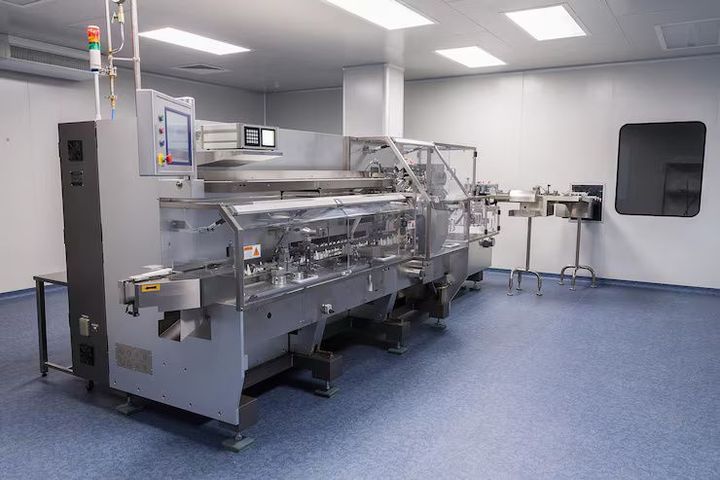
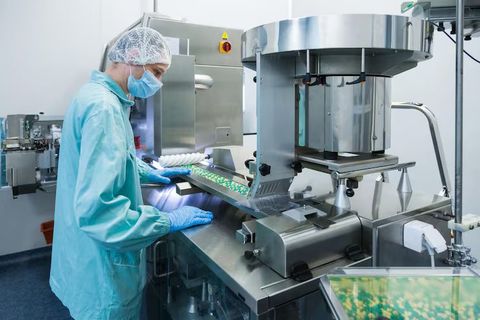
This technology was developed to improve efficiency and precision in industrial processes. Traditional drying systems often required long waiting times and high energy consumption. UV curing machines address these limitations by providing fast curing, reduced waste, and better control over material properties.
These machines are commonly used in industries such as printing, electronics, automotive manufacturing, and packaging. Their role has expanded significantly as industries look for faster and more sustainable production methods.
Importance: Why UV Curing Technology Matters Today
UV curing machines have become increasingly important due to their efficiency and environmental advantages. As industries aim to reduce emissions and energy consumption, UV curing offers a cleaner alternative to conventional drying systems.
Key reasons why this technology matters today include:
Improved Efficiency
UV curing significantly reduces production time. Materials cure almost instantly, which allows faster processing and higher output.
Energy Savings
Compared to heat-based drying systems, UV curing uses less energy. This makes it more sustainable and suitable for modern manufacturing environments.
Enhanced Product Quality
UV-cured materials often have better durability, chemical resistance, and finish quality. This is particularly valuable in applications like coatings and printing.
Reduced Environmental Impact
UV curing emits fewer volatile organic compounds (VOCs), making it a more environmentally friendly option.
Industry Adoption
Industries such as packaging, healthcare, and electronics rely on UV curing for precision and consistency. It helps solve problems like uneven drying, material degradation, and long processing times.
Recent Updates: Trends and Developments in 2025
The UV curing machine industry has seen several notable developments over the past year.
Advancements in LED UV Technology (2025)
UV LED curing systems have gained popularity due to their longer lifespan and lower energy consumption. In 2025, many manufacturers are transitioning from traditional mercury lamps to LED-based systems.
Integration with Automation
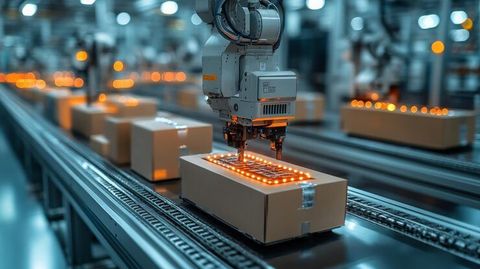
Modern UV curing machines are now integrated with automated production lines. This allows real-time monitoring and improved efficiency in manufacturing processes.
Smart Monitoring Systems
New systems include sensors and digital controls that help monitor curing intensity, temperature, and performance. This improves accuracy and reduces errors.
Growth in Sustainable Manufacturing
As of early 2025, industries are focusing on eco-friendly production methods. UV curing aligns with sustainability goals due to its low emissions and reduced waste.
Expansion in Electronics Sector
The demand for UV curing machines has increased in electronics manufacturing, especially for circuit boards and micro-components.
Laws or Policies: Regulations Affecting UV Curing Machines
UV curing machines are subject to various regulations depending on the country and industry. These rules focus on safety, environmental impact, and equipment standards.
Environmental Regulations
Governments often regulate emissions and chemical usage. UV curing is generally favored because it produces fewer harmful emissions compared to traditional methods.
Workplace Safety Standards
Operators must follow safety guidelines to avoid exposure to UV radiation. Protective equipment and proper shielding are required in most workplaces.
Equipment Certification
UV curing machines must meet specific technical standards to ensure safe and efficient operation. Certifications may include electrical safety and performance compliance.
Energy Efficiency Policies
Many countries promote energy-efficient technologies. UV curing systems, especially LED-based ones, often meet these requirements.
Waste Management Rules
Industries using UV curing must comply with regulations related to chemical handling and disposal.
Tools and Resources for Understanding UV Curing Machines
Several tools and resources can help individuals and businesses better understand UV curing technology.
Measurement and Monitoring Tools
-
UV intensity meters for measuring light output
-
Temperature sensors for process control
-
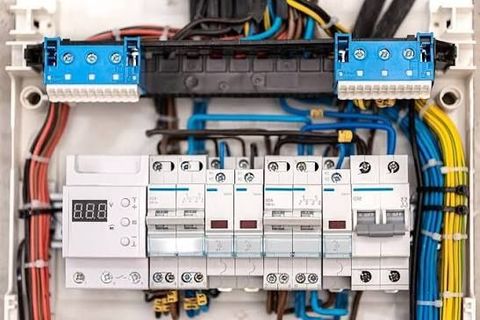
Digital control panels for system management
Software and Simulation Tools
-
Process simulation software for optimizing curing cycles
-
Monitoring dashboards for real-time data tracking
Educational Resources
-
Online technical guides and industry reports
-
Training modules on UV curing safety and operation
Reference Materials
-
Technical manuals explaining machine components
-
Research papers on UV chemistry and applications
Key Components of a UV Curing Machine
| Component | Function Description |
|---|
| UV Lamp/LED Source | Emits ultraviolet light for curing materials |
| Conveyor System | Moves products through the curing process |
| Reflectors | Focus UV light for efficient curing |
| Cooling System | Maintains optimal operating temperature |
| Control Panel | Allows adjustment of curing parameters |
How UV Curing Works
UV curing relies on a chemical reaction triggered by ultraviolet light. The process involves:
-
Application of UV-sensitive material (ink, coating, or adhesive)
-
Exposure to UV light
-
Activation of photoinitiators
-
Rapid hardening or curing
This process is highly efficient and does not require additional drying time.
FAQs About UV Curing Machines
What materials can be cured using UV curing machines?
UV curing machines are used for inks, coatings, adhesives, and resins that are specifically formulated to react to ultraviolet light.
Is UV curing safe for operators?
Yes, when proper safety measures are followed. Protective shields and safety gear are used to prevent exposure to UV radiation.
How is UV LED different from traditional UV lamps?
UV LED systems are more energy-efficient, have a longer lifespan, and produce less heat compared to traditional mercury lamps.
Which industries commonly use UV curing machines?
Industries such as printing, electronics, automotive, medical devices, and packaging frequently use UV curing technology.
Does UV curing affect product durability?
Yes, UV-cured materials often have enhanced durability, resistance to chemicals, and improved surface finish.
Conclusion
UV curing machines represent an important advancement in modern manufacturing and processing technologies. By using ultraviolet light to instantly cure materials, they offer significant advantages in speed, efficiency, and environmental impact.
As industries continue to evolve, the demand for faster and more sustainable solutions is growing. UV curing technology aligns with these needs by reducing energy consumption, minimizing emissions, and improving product quality.
Recent innovations such as LED-based systems and smart monitoring tools are further enhancing the capabilities of UV curing machines. At the same time, regulations and safety standards ensure responsible usage across industries.
Understanding how these machines work, their applications, and the tools available can help individuals and organizations make informed decisions about their use.