Voltage Testing Guide: Understanding Methods, Equipment, and Safety Checks
Voltage testing is the process of measuring electrical potential differences within a circuit, device, machine, or power network.
It plays an important role in electrical systems by helping users determine whether electricity is present, whether equipment is functioning correctly, and whether power levels remain within expected ranges. From household electrical outlets to large industrial facilities, voltage testing helps verify the condition and performance of electrical infrastructure.
The practice of electrical voltage testing developed alongside the growth of electrical engineering and power distribution systems. As electricity became more widely used, technicians and engineers required reliable ways to measure voltage safely and accurately. Over time, specialized voltage test instruments were developed to support inspection, maintenance, troubleshooting, and monitoring activities.
Today, voltage testing equipment is used across residential, commercial, utility, and industrial environments. Modern tools range from simple handheld devices to advanced voltage measurement systems capable of analyzing complex power networks. These instruments help users identify electrical issues before they affect equipment performance or operational reliability.
Understanding how voltage testing works, what equipment is involved, and what safety checks are required can help people better understand electrical systems and the role of testing in maintaining them.
Importance
Why Voltage Testing Matters
Electricity powers homes, transportation systems, communication networks, manufacturing facilities, and public infrastructure. Because electrical systems operate continuously, monitoring voltage levels is important for maintaining stable performance and reducing the likelihood of unexpected failures.
Voltage testing helps identify issues such as:
- Loose electrical connections
- Damaged wiring
- Equipment malfunctions
- Voltage drops
- Overvoltage conditions
- Power quality concerns
- Electrical insulation deterioration
Without regular electrical voltage testing, these problems may go unnoticed until they affect equipment operation or system reliability.
Who Uses Voltage Testing
Many different groups rely on voltage testing equipment in their daily activities. These include:
- Electricians inspecting building wiring
- Engineers evaluating power system performance
- Maintenance personnel troubleshooting equipment
- Utility operators monitoring electrical networks
- Industrial technicians maintaining machinery
- Facility managers overseeing electrical infrastructure
Industrial voltage testing is particularly important in facilities where electrical systems power production lines, motors, automation equipment, and control systems.
Role in Safety
One of the primary purposes of voltage testing is confirming whether electrical energy is present before maintenance or repair activities begin. This helps reduce exposure to electrical hazards and supports safe work practices.
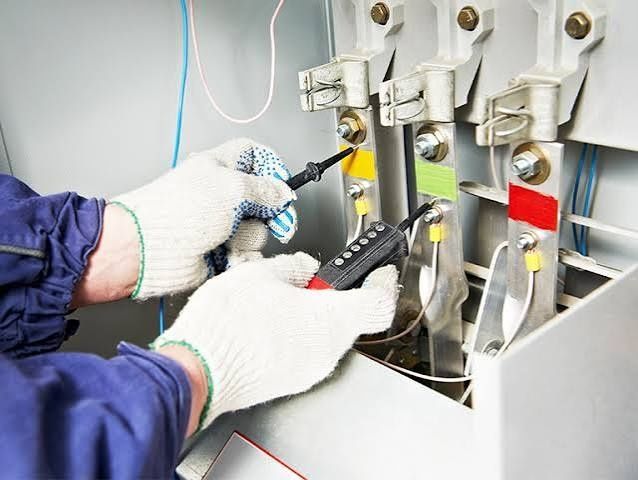
Before working on a circuit, technicians often perform verification procedures using a digital voltage tester or other approved testing device. These checks help confirm whether equipment is energized or de-energized.
Impact on Power Quality
Voltage variations can affect equipment performance. Excessive fluctuations may contribute to overheating, unexpected shutdowns, or reduced operational efficiency.
Power quality testing helps identify voltage disturbances and other electrical conditions that may influence system performance. As electrical networks become more interconnected, monitoring power quality has become an increasingly important aspect of electrical system management.
Recent Updates
Growth of Smart Monitoring Systems
Recent developments in voltage monitoring systems have focused on automation and continuous data collection. Many modern systems can monitor voltage levels in real time and provide alerts when readings move outside predefined limits.
These technologies help organizations track electrical conditions without requiring constant manual inspection.
Integration with Digital Platforms
Many voltage measurement systems now connect with digital dashboards and monitoring software. This allows users to review electrical data remotely and analyze trends over time.
Data logging capabilities have become more common, enabling long-term evaluation of system performance and supporting maintenance planning.
Expansion of Industrial Testing Applications
Industrial facilities increasingly rely on advanced electrical testing equipment to support automation systems, renewable energy installations, and complex manufacturing processes.
As industrial operations become more connected, voltage testing equipment is being integrated into broader asset monitoring programs.
Focus on Renewable Energy Systems
The growth of solar, wind, and energy storage projects has increased the need for specialized power system testing. Renewable energy installations often require testing procedures to verify voltage stability, equipment compatibility, and grid integration performance.
Enhanced Safety Features
Manufacturers continue to incorporate safety-focused designs into modern voltage test instruments. Common improvements include:
- Improved insulation protection
- Clearer visual indicators
- Automatic range selection
- Overload protection mechanisms
- Enhanced measurement accuracy
- Compliance with updated safety standards
These developments help support safer operation in a variety of testing environments.
Laws or Policies
Electrical Safety Standards
Voltage testing activities are generally guided by electrical safety regulations and technical standards. While requirements vary between countries, many jurisdictions adopt internationally recognized standards related to testing procedures, equipment design, and workplace safety.
Organizations responsible for electrical infrastructure are often required to follow established safety protocols when conducting electrical voltage testing.
Workplace Safety Requirements
Many workplace regulations require verification of electrical conditions before maintenance or repair activities begin. Voltage testing is commonly included as part of lockout and isolation procedures designed to reduce exposure to electrical hazards.
Employers may also be required to provide appropriate training and approved testing equipment for personnel working around energized systems.
Equipment Certification
High voltage test equipment and other electrical testing equipment are frequently subject to certification requirements that verify performance and safety characteristics.
Certified instruments help ensure that measurements are conducted using equipment that meets applicable technical standards.
Utility and Power Sector Guidelines
Power utilities often operate under regulatory frameworks that require routine inspection and testing of electrical infrastructure. Power system testing may be performed during commissioning, maintenance activities, and system upgrades.
These procedures help support reliability, operational stability, and public safety within electrical networks.
Example Areas of Regulation
| Area | Purpose |
|---|---|
| Electrical safety standards | Establish safe testing practices |
| Workplace safety rules | Protect personnel during testing |
| Equipment certification requirements | Verify testing instrument performance |
| Utility regulations | Support power network reliability |
| Technical inspection procedures | Guide maintenance activities |
Tools and Resources
Digital Voltage Testers
A digital voltage tester is one of the most commonly used instruments for measuring voltage. These devices typically display voltage readings on an electronic screen and may include additional measurement functions.
Multimeters
Digital multimeters are widely used electrical testing equipment capable of measuring:
- Voltage
- Current
- Resistance
- Continuity
- Frequency
These tools are commonly used for troubleshooting and routine inspections.
Voltage Monitoring Systems
Voltage monitoring systems continuously observe electrical conditions and record measurement data. They are frequently used in commercial buildings, industrial facilities, and utility networks.
High Voltage Test Equipment
High voltage test equipment is used when evaluating insulation performance, electrical components, and high-energy systems. These instruments are commonly found in utility and industrial environments.
Power Quality Analyzers
Power quality testing often relies on specialized analyzers capable of measuring voltage fluctuations, harmonics, frequency variations, and other electrical characteristics.
These instruments help users understand how electrical conditions affect system performance.
Technical Standards and Reference Documents
Many organizations use technical standards and guidance documents when conducting voltage testing. Common resources include:
- National electrical codes
- Workplace safety manuals
- Utility testing procedures
- Equipment operation manuals
- Industry technical standards
These references provide information about testing methods, safety practices, and equipment operation.
FAQs
What is voltage testing?
Voltage testing is the process of measuring electrical potential differences within a circuit or electrical system. It helps determine whether electricity is present and whether voltage levels are within expected operating ranges.
What voltage testing equipment is commonly used?
Common voltage testing equipment includes digital voltage testers, multimeters, voltage monitoring systems, power quality analyzers, and specialized high voltage test equipment used for advanced testing applications.
Why is electrical voltage testing important?
Electrical voltage testing helps identify faults, verify system operation, support maintenance activities, and improve understanding of electrical conditions within a system.
What is the difference between voltage test instruments and voltage measurement systems?
Voltage test instruments are typically portable devices used for individual measurements, while voltage measurement systems often provide continuous monitoring, data collection, and long-term analysis of electrical performance.
How does power quality testing relate to voltage testing?
Power quality testing examines electrical characteristics such as voltage stability, harmonics, and fluctuations. Voltage testing is one part of the broader evaluation process used to assess power quality and system performance.
Conclusion
Voltage testing plays an important role in understanding, monitoring, and maintaining electrical systems. From simple handheld devices to advanced voltage measurement systems, a wide range of tools supports accurate electrical assessments. Industrial voltage testing, power system testing, and power quality testing help organizations evaluate performance and identify potential issues. Safety checks, regulatory requirements, and modern monitoring technologies continue to shape how voltage testing is performed across residential, commercial, and industrial environments.