Waterjet Cutting Machines Guide: Understanding Precision Cutting Technology and Uses
Waterjet cutting machines are advanced manufacturing tools that cut materials using a highly pressurized stream of water.
In many applications, abrasive particles are added to the water stream to increase cutting power, allowing the system to process hard materials such as metal, stone, glass, and ceramics. This method has become an important part of modern manufacturing because it can create detailed shapes without generating significant heat during the cutting process.
The origins of waterjet cutting technology can be traced back to industrial water streams used for cleaning and mining activities. Over time, engineers developed methods to concentrate water pressure into narrow jets capable of cutting materials with remarkable accuracy. As technology advanced, abrasive waterjet cutting systems emerged, expanding the range of materials that could be processed.
Today, waterjet cutting equipment is used in industries including manufacturing, construction, aerospace, automotive production, architecture, and fabrication. The technology exists to address challenges associated with traditional cutting methods, particularly when heat-sensitive materials require precise shaping without thermal distortion.
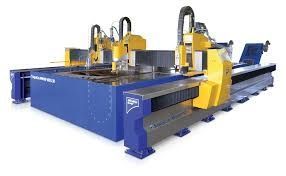
Modern CNC waterjet cutting machine systems combine computer-controlled movement with high pressure waterjet cutting processes. This combination enables complex cutting patterns and consistent results across large production volumes while maintaining accuracy.
Importance
Why Waterjet Cutting Matters
Many industries require precise material cutting while preserving the original properties of the material. Traditional cutting techniques can introduce heat, mechanical stress, or material deformation. Precision waterjet cutting helps reduce these concerns because the cutting process relies primarily on water pressure rather than heat.
The technology affects manufacturers, engineers, designers, architects, and construction professionals. It also indirectly affects consumers because waterjet-cut components are often found in products ranging from vehicles to household fixtures.
Problems Addressed by Waterjet Cutting
Waterjet cutting technology helps address several manufacturing challenges:
- Cutting heat-sensitive materials without significant thermal impact
- Producing intricate shapes and detailed patterns
- Processing thick materials with consistent accuracy
- Reducing material waste through precise cutting paths
- Working with a wide range of materials using one cutting system
These capabilities make waterjet cutting equipment useful in environments where flexibility and accuracy are important considerations.
Common Materials Processed
An industrial waterjet cutting machine can process numerous materials, including:
| Material Category | Examples |
|---|---|
| Metals | Steel, aluminum, copper, titanium |
| Stone | Granite, marble, slate |
| Glass | Architectural glass, decorative glass |
| Plastics | Acrylic, PVC, engineering plastics |
| Composites | Carbon fiber, fiberglass |
| Ceramics | Tiles, industrial ceramics |
| Rubber | Industrial rubber sheets, gaskets |
Because of this versatility, many facilities use waterjet systems for multiple applications rather than maintaining separate cutting technologies for different materials.
Types of Waterjet Systems
Pure water systems primarily cut softer materials such as rubber, foam, textiles, and paper products. These systems rely solely on pressurized water.
Abrasive waterjet cutting systems combine water with abrasive materials, commonly garnet particles. The abrasives significantly increase cutting capability, allowing hard materials such as metal and stone to be processed effectively.
A metal waterjet cutting machine typically uses abrasive technology due to the hardness of metallic materials. Similarly, a stone waterjet cutting machine relies on abrasives to cut natural and engineered stone products accurately.
Recent Updates
Greater Automation and Digital Integration
Recent developments in waterjet cutting technology have focused heavily on automation and digital manufacturing. Many modern CNC waterjet cutting machine systems now integrate with production management software and digital design platforms.
These integrations allow manufacturers to transfer design files directly into machine control systems, reducing manual programming requirements and improving workflow efficiency.
Improved Motion Control Systems
Advancements in motion control technology have improved cutting precision. Enhanced sensors, advanced software algorithms, and refined machine components contribute to smoother movement and more accurate cutting paths.
These improvements support industries that require detailed shapes, tight tolerances, and repeatable production results.
Focus on Resource Efficiency
Manufacturers of waterjet cutting equipment have increasingly focused on water recycling and abrasive management systems. These developments aim to improve resource utilization while maintaining cutting performance.
Some newer systems include filtration technologies that allow portions of the water used during cutting operations to be processed and reused within production environments.
Growth in Composite Material Processing
The increasing use of composite materials in transportation, construction, and industrial manufacturing has expanded interest in waterjet cutting solutions. Composite materials can be difficult to process using heat-based cutting methods, making waterjet systems an attractive option for certain applications.
Smart Monitoring Features
Many waterjet machine manufacturers have introduced monitoring capabilities that track machine performance, maintenance needs, and operational conditions. These features help operators monitor equipment status and identify potential issues before they affect production activities.
Laws or Policies
Workplace Safety Regulations
Waterjet cutting operations are generally subject to workplace safety regulations that govern industrial machinery. Requirements often address operator training, protective equipment, machine guarding, and safe operating procedures.
Regulatory agencies in many countries establish standards for machinery safety and workplace risk management. Organizations operating waterjet systems must follow applicable local regulations.
Environmental Considerations
Environmental rules may apply to water use, wastewater handling, and abrasive disposal. Facilities using abrasive waterjet cutting systems typically need procedures for managing used abrasive materials and processing water generated during operations.
Requirements vary by region and industry sector, but environmental compliance remains an important consideration when operating industrial cutting equipment.
Manufacturing Standards
Certain industries, including aerospace, automotive, and construction, may require components to meet specific manufacturing standards. Precision waterjet cutting can support these requirements by producing parts according to documented specifications and quality procedures.
Equipment Certification Requirements
Industrial machinery often must comply with electrical, mechanical, and safety standards established by regulatory authorities. Waterjet cutting equipment manufacturers generally design machines to align with applicable industrial standards before distribution into various markets.
Tools and Resources
CAD Software
Computer-Aided Design (CAD) software is commonly used to create cutting patterns for CNC waterjet cutting machine operations. Popular platforms help designers prepare digital drawings that can be converted into machine instructions.
Examples include:
- AutoCAD
- SolidWorks
- Fusion 360
CAM Software
Computer-Aided Manufacturing (CAM) software converts digital designs into machine movement instructions. These tools help optimize cutting paths and material utilization.
Material Property Databases
Engineers often use material databases to understand thickness limitations, cutting parameters, and material characteristics. These resources support planning and process development activities.
Technical Standards Organizations
Industry standards and technical guidance can be obtained from organizations involved in manufacturing, engineering, and quality management. These resources help users understand operational requirements and industry practices.
Maintenance Tracking Platforms
Digital maintenance platforms allow operators to document inspections, track component usage, and schedule preventive maintenance activities. Proper maintenance contributes to consistent machine performance and operational reliability.
FAQs
What are waterjet cutting machines used for?
Waterjet cutting machines are used to cut materials such as metal, stone, glass, composites, plastics, and rubber. They are commonly found in manufacturing, construction, architecture, and fabrication environments where accurate material processing is required.
How does a CNC waterjet cutting machine work?
A CNC waterjet cutting machine uses computer-controlled movement systems to guide a high-pressure stream of water across a material surface. The machine follows digital design instructions to create precise cuts and complex shapes.
What is the difference between pure water systems and abrasive waterjet cutting systems?
Pure water systems use only pressurized water and are typically suitable for softer materials. Abrasive waterjet cutting systems add abrasive particles to the water stream, enabling the cutting of harder materials such as metals, ceramics, and stone.
Can a metal waterjet cutting machine cut thick materials?
Yes. A metal waterjet cutting machine can process various material thicknesses depending on machine capabilities, material type, pressure levels, and abrasive settings. Thickness limits vary among equipment configurations.
Why is precision waterjet cutting important in manufacturing?
Precision waterjet cutting helps manufacturers create accurate parts while minimizing thermal effects on materials. This can be valuable when processing heat-sensitive materials or producing detailed designs that require consistent dimensions.
Conclusion
Waterjet cutting technology has become an important manufacturing process because it combines versatility with accuracy. Modern waterjet cutting machines can process a wide range of materials, including metals, stone, composites, and plastics. Advances in automation, digital integration, and monitoring systems continue to shape the development of this technology. Understanding how industrial waterjet cutting machine systems operate helps explain their role in contemporary manufacturing and fabrication environments.