Wheel Tractor-Scraper Guide: Learn Basics, Uses, and Key Features Explained
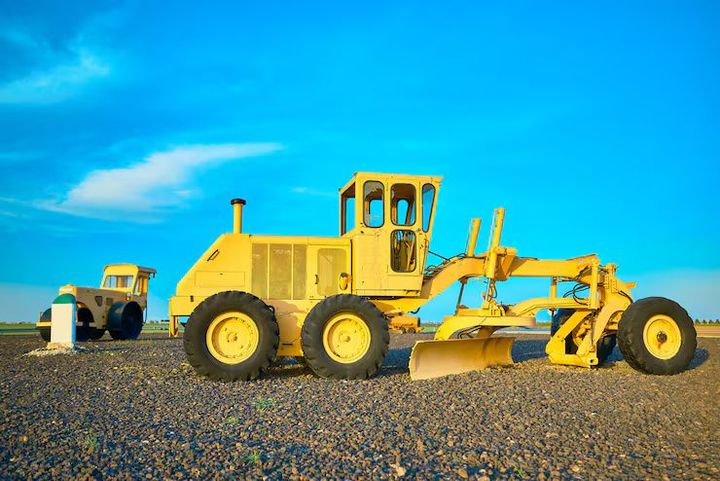
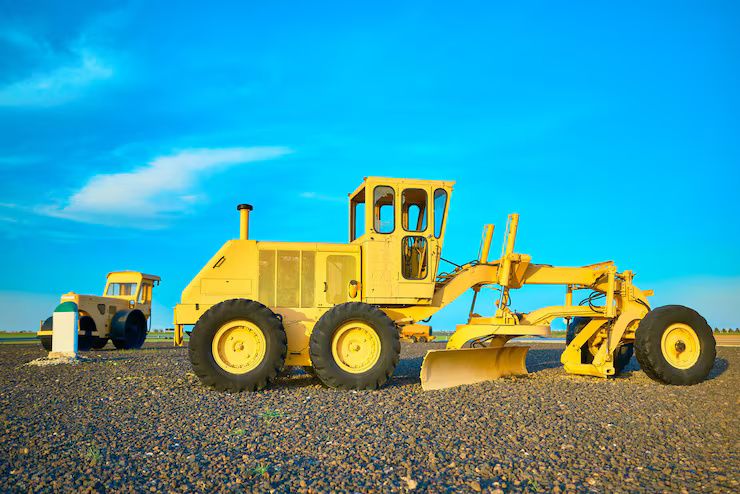
A wheel tractor-scraper is a type of heavy construction equipment used for earthmoving. It combines two main parts: a tractor unit and a scraper bowl. The machine is designed to cut, collect, transport, and dump soil or other materials in a single continuous operation.
Wheel tractor-scrapers are powerful earthmoving machines commonly used in large-scale construction, mining, and infrastructure projects. They are designed to move materials efficiently over medium distances, typically ranging from 300 meters to 3 kilometers.
The development of this equipment aimed to improve efficiency by combining digging, loading, transporting, and dumping into a single machine. This integration reduces operational complexity and increases productivity on job sites.
They are widely used in road construction, airport development, dam building, and land leveling. Their ability to handle large volumes of material makes them essential in modern construction practices.
Importance
Wheel tractor-scrapers play a key role in infrastructure development and large-scale land modification. As urbanization and industrial growth continue, the demand for efficient earthmoving equipment is increasing.
Key Benefits
- Improve operational efficiency by combining multiple functions into one machine
- Reduce the need for additional equipment on-site
- Increase productivity by moving large volumes of material quickly
- Support major infrastructure projects such as highways, railways, and airports
Industry Applications
These machines are widely used in several sectors, including:
- Construction and civil engineering
- Mining and quarrying
- Agriculture and land development
- Government infrastructure projects
Wheel tractor-scrapers help solve time management challenges in earthmoving operations. Traditional methods require multiple machines, which increases project duration and coordination complexity.
They also contribute to better fuel efficiency and resource optimization. Fewer machines on-site can lead to reduced fuel consumption and simplified operations.
Recent Updates
The wheel tractor-scraper industry has experienced several advancements driven by technology and environmental concerns. These updates focus on improving efficiency, sustainability, and operator experience.
Automation and Smart Technology (2024–2025)
Modern machines now include GPS-based grading systems and telematics. These tools allow operators to monitor performance, track fuel usage, and improve accuracy in earthmoving tasks.
Focus on Sustainability (2025)
Manufacturers are introducing fuel-efficient engines and exploring hybrid technologies. These efforts align with global initiatives to reduce emissions from heavy machinery.
Digital Fleet Management
Construction companies are adopting digital platforms to manage equipment fleets. These systems provide real-time insights into performance, maintenance schedules, and operational efficiency.
Improved Operator Comfort
New models feature ergonomic cabins, enhanced visibility, and reduced noise levels. These improvements increase safety and reduce operator fatigue during long working hours.
Infrastructure Growth
Governments in countries like India, the United States, and Australia are increasing infrastructure investments. This has led to higher demand for advanced earthmoving equipment, including wheel tractor-scrapers.
Laws or Policies
Wheel tractor-scrapers must comply with safety, emission, and operational regulations. These rules vary by country but generally focus on environmental protection and worker safety.
Regulations in India
- Emission standards must follow Bharat Stage (BS) norms
- Workplace safety is governed by the Factories Act and labor laws
- Environmental clearance is required for excavation and land development projects
Regulations in Other Regions
- United States: EPA Tier 4 emission standards for diesel engines
- European Union: Stage V emission standards and CE marking requirements
These policies influence both the design and operation of wheel tractor-scrapers. Manufacturers must meet emission limits, while operators must follow safety procedures.
Tools and Resources
Various tools and technologies support the efficient use of wheel tractor-scrapers. These tools help improve planning, monitoring, and operational performance.
Key Tools
- Telematics systems for real-time performance monitoring
- GPS grading systems for accurate leveling
- Fleet management software for tracking equipment
- Construction planning tools for scheduling and resource allocation
- Maintenance tracking tools for reducing downtime
Tools and Functions Table
| Tool Type | Purpose | Benefit |
|---|---|---|
| Telematics System | Monitor machine performance | Improved efficiency |
| GPS Grading System | Precision in earthmoving tasks | Reduced errors |
| Fleet Management | Track equipment usage | Better resource allocation |
| Maintenance Software | Schedule servicing | Reduced downtime |
| Planning Software | Project coordination | Improved productivity |
These tools are widely used in modern construction environments to enhance decision-making and operational control.
FAQs
What is the main function of a wheel tractor-scraper?
A wheel tractor-scraper is used to cut, collect, transport, and dump materials in a single operation. It is primarily used in large-scale earthmoving projects.
Where are wheel tractor-scrapers commonly used?
They are commonly used in road construction, airport development, mining operations, and land leveling projects.
What materials can they handle?
These machines can handle soil, clay, sand, gravel, and other loose materials. Very hard or rocky surfaces may require additional equipment.
How do they improve efficiency?
They combine multiple functions such as digging, loading, hauling, and dumping into one machine. This reduces the need for multiple equipment and speeds up project timelines.
Are they environmentally regulated?
Yes, wheel tractor-scrapers must comply with emission and environmental regulations set by governments. These rules aim to reduce pollution and ensure sustainable operations.
Conclusion
Wheel tractor-scrapers are essential for modern construction and earthmoving operations. Their ability to perform multiple tasks in a single cycle makes them highly efficient and valuable.
As global infrastructure development grows, the demand for advanced earthmoving equipment continues to increase. Trends such as automation, sustainability, and digital monitoring are shaping the future of these machines.
Regulations related to emissions and safety also influence how these machines are designed and used. Understanding these factors ensures compliance and responsible operation.
With the help of modern tools and technologies, construction professionals can maximize efficiency and improve project execution using wheel tractor-scrapers.