Ampoules are small, hermetically sealed containers that protect sensitive substances from air and contaminants. The filling process must be precise because even minor variations can affect dosage accuracy and product safety. Ampoule filling machines automate and standardize this process while maintaining strict hygiene conditions.
Modern machines combine multiple steps into a continuous workflow, improving efficiency and consistency in production.
Key Functions of Ampoule Filling Machines
These machines typically perform several integrated operations:
-
Washing and sterilizing ampoules
-
Filling liquid formulations
-
Sealing ampoules using heat or flame
-
Inspecting for defects or contamination
They are widely used in industries such as pharmaceuticals, biotechnology, and healthcare manufacturing where sterile packaging is essential.
Types of Ampoule Filling Machines
Different machine types are designed for varying production needs:
-
Semi-automatic systems for smaller production volumes
-
Fully automatic machines for high-speed manufacturing
-
Rotary filling machines for continuous operations
-
Inline systems integrated with inspection and packaging units

Importance of Ampoule Filling Machines
Ampoule filling machines play a critical role in ensuring the safe production of injectable medicines and sterile products. Their importance has increased with the growing global demand for healthcare solutions.
Why They Matter Today
Several factors highlight their relevance in modern manufacturing:
-
High precision is required in pharmaceutical production
-
Global vaccination programs depend on sterile packaging
-
Biotech innovations require contamination-free environments
-
Regulatory standards demand strict quality control
Key Benefits
These machines help address major production challenges:
-
Maintaining sterility during filling and sealing
-
Ensuring accurate dosage in each ampoule
-
Reducing human error
-
Improving consistency across batches
Healthcare systems, pharmaceutical companies, and research labs rely on these machines to deliver safe and reliable products.
Recent Updates (2025)
Recent developments in 2025 have significantly improved ampoule filling technologies and pharmaceutical manufacturing practices.
Key Technological Trends
-
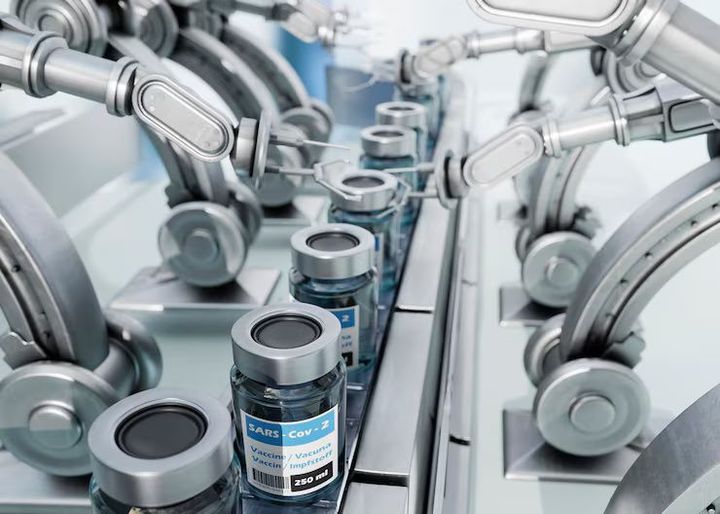
Increased use of automation and robotics
-
Integration of AI for quality inspection
-
Expansion of isolator-based systems
-
Adoption of Industry 4.0 for real-time monitoring
Advanced vision systems are now capable of detecting microscopic defects during production. These innovations enhance quality control and reduce waste.
Emerging Innovations
-
Digital twins for process simulation and optimization
-
Energy-efficient machinery and sustainable practices
-
Improved supply chain resilience through modern facilities
These advancements reflect a broader shift toward smarter and more efficient pharmaceutical manufacturing.
Laws and Policies
Ampoule filling machines operate under strict regulatory frameworks due to their role in pharmaceutical production.
Key Regulatory Standards
-
Good Manufacturing Practices (GMP)
-
ISO quality management standards
-
Sterility assurance requirements
-
Drug safety and labeling regulations
Regional Regulatory Authorities
-
In India: Central Drugs Standard Control Organization (CDSCO)
-
In the United States: Food and Drug Administration (FDA)
-
In the European Union: EU GMP guidelines
Common Compliance Requirements
-
Validation of filling accuracy
-
Sterilization process verification
-
Cleanroom environmental monitoring
-
Documentation and traceability
Government initiatives also support modernization and adoption of compliant manufacturing technologies.
Tools and Resources
Various digital tools support the efficient operation of ampoule filling machines and improve production outcomes.
Essential Tools
-
Manufacturing Execution Systems (MES)
-
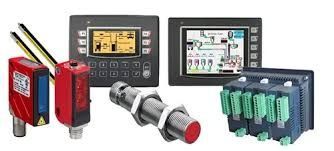
SCADA systems for monitoring
-
Cleanroom environmental monitoring systems
-
Calibration and validation software
-
Vision inspection systems
-
Production analytics dashboards
Software and Technical Systems
-
PLC (Programmable Logic Controller) interfaces
-
Batch management systems
-
Data logging and reporting tools
-
Equipment maintenance tracking systems
Machine Type Comparison
| Machine Type | Automation Level | Production Capacity | Typical Application |
|---|
| Semi-Automatic | Moderate | Low to Medium | Small-scale production |
| Fully Automatic | High | High | Large pharmaceutical plants |
| Rotary Machines | High | Continuous | High-speed operations |
| Inline Systems | High | Flexible | Integrated production lines |
Typical Workflow
The standard ampoule filling process includes:
-
Cleaning and sterilization
-
Controlled liquid filling
-
Sealing using heat or flame
-
Inspection for defects
-
Packaging and labeling
Predictive maintenance tools are also used to monitor performance and prevent failures.
Frequently Asked Questions
What are ampoule filling machines used for?
They are used to fill and seal liquid medications in sterile ampoules, ensuring safety and accuracy in pharmaceutical products.
Why is sterility important?
Sterility prevents contamination, which is critical for injectable drugs that enter the body directly.
What is the difference between semi-automatic and fully automatic machines?
Semi-automatic machines require manual input, while fully automatic machines perform all steps with minimal human involvement.
How is filling accuracy ensured?
Accuracy is maintained through calibrated systems, automated controls, and regular validation processes.
Which industries use these machines?
They are commonly used in pharmaceuticals, biotechnology, healthcare manufacturing, and research laboratories.
Additional Insights and Data
Modern ampoule filling machines operate in cleanroom environments with controlled conditions such as temperature, humidity, and air quality.
Performance Factors
| Performance Factor | Impact on Production |
|---|
| Filling Accuracy | Ensures correct dosage |
| Sterility Control | Prevents contamination |
| Automation Level | Improves efficiency |
| Inspection Systems | Enhances quality |
Emerging Technologies
-
AI-based defect detection
-
Robotics for handling ampoules
-
Smart sensors for monitoring
-
Cloud-based production analytics
These technologies align with global trends in digital transformation and smart manufacturing.
Conclusion
Ampoule filling machines are essential for modern pharmaceutical production, ensuring safe, accurate, and sterile packaging of liquid medicines. Their role continues to grow as healthcare demands increase globally.
Advancements in automation, artificial intelligence, and sustainability are shaping the future of these machines. At the same time, strict regulatory compliance ensures consistent product quality and safety.
Understanding these systems provides valuable insight into pharmaceutical manufacturing. With continuous innovation, ampoule filling machines will remain a key component in delivering reliable healthcare solutions worldwide.