Articulated Backhoe Loader Insights: Exploring Design and Performance Details
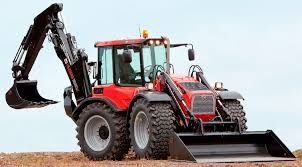
An articulated backhoe loader is a type of construction machine designed to perform multiple tasks on work sites.
It combines a front loader bucket with a rear digging arm, allowing operators to move materials, excavate soil, and carry out various construction activities using a single machine. Unlike traditional rigid-frame models, articulated construction machinery uses a pivoting joint in the center of the vehicle, enabling greater maneuverability and flexibility in confined spaces.
The concept of backhoe loaders emerged as construction projects increasingly required equipment capable of handling several tasks without relying on multiple machines. Over time, advancements in hydraulic systems, operator controls, and machine design contributed to the development of hydraulic backhoe loader models with improved efficiency and adaptability.
Today, construction backhoe loaders are used in urban development, road maintenance, agricultural projects, landscaping, and infrastructure construction. Their ability to perform loading, digging, trenching, and material-handling functions makes them an important part of modern construction operations.
Understanding Articulated Design
The defining characteristic of articulated loader equipment is the central hinge connecting the front and rear sections of the machine. This design allows the machine to bend during steering rather than relying solely on front-wheel turning.
Benefits of articulation include:
- Improved maneuverability in restricted work areas
- Reduced turning radius
- Better traction on uneven surfaces
- Enhanced stability during certain loading operations
These features make articulated backhoe loader models particularly useful in environments where space limitations can affect equipment movement.
Main Components
Most hydraulic backhoe loader machines include several key components:
- Front loader bucket for moving soil, gravel, and materials
- Rear backhoe arm for excavation and trenching
- Hydraulic cylinders for lifting and digging functions
- Operator cab with controls and monitoring systems
- Engine and drivetrain systems
- Loader backhoe attachments for specialized tasks
Different configurations may be available depending on project requirements and operating conditions.
Importance
Backhoe loaders continue to play a significant role in construction and infrastructure projects because they combine multiple functions within a single machine. Their versatility helps reduce the need for separate loading and excavation equipment on many work sites.
Supporting Infrastructure Development
Road construction, utility installation, drainage systems, and building foundations frequently require both excavation and material movement. Construction backhoe loaders can perform these tasks efficiently without requiring constant equipment changes.
As urban areas continue to expand, equipment capable of working within crowded environments becomes increasingly important. Articulated designs can navigate narrow streets, residential developments, and compact construction zones more effectively than some larger machines.
Applications Across Industries
Several industries use articulated construction machinery for different purposes:
- Construction: excavation, trenching, material handling, and site preparation
- Agriculture: drainage projects, soil movement, and land improvement
- Municipal operations: road repairs and utility maintenance
- Landscaping: grading, excavation, and material transport
- Mining support operations: light excavation and material movement
The availability of loader backhoe attachments further expands operational capabilities. Depending on the attachment installed, a machine may perform tasks such as breaking concrete, drilling holes, lifting materials, or compacting soil.
Compact and Heavy-Duty Options
Manufacturers produce machines in different sizes to meet varying project needs.
| Machine Type | Typical Use | Key Characteristic |
|---|---|---|
| Compact backhoe loader | Urban projects, landscaping, confined spaces | Smaller footprint |
| Standard backhoe loader | General construction work | Balanced performance |
| Heavy duty backhoe loader | Large infrastructure and industrial projects | Higher lifting and digging capacity |
This range allows project planners to select equipment appropriate for site conditions and workload requirements.
Recent Updates
Recent developments in articulated backhoe loader technology have focused on efficiency, safety, digital integration, and environmental performance.
Enhanced Hydraulic Systems
Modern hydraulic backhoe loader designs increasingly feature advanced hydraulic controls that improve precision during excavation and loading operations. These systems help operators perform tasks more accurately while reducing unnecessary machine movement.
Improved hydraulic efficiency can also contribute to smoother operation and better fuel utilization under varying workloads.
Digital Monitoring and Telematics
Many backhoe loader manufacturers now integrate telematics systems into their equipment. These technologies allow machine owners and operators to monitor:
- Operating hours
- Fuel consumption
- Maintenance schedules
- Equipment location
- Performance indicators
Digital monitoring helps improve equipment management and supports preventive maintenance planning.
Operator Comfort and Safety
Recent machine designs often include:
- Improved visibility from the operator cab
- Enhanced camera systems
- Ergonomic controls
- Reduced cabin noise
- Advanced stability monitoring
These improvements aim to support safer and more comfortable operation during extended working periods.
Alternative Power Trends
Although diesel-powered machines remain common, research and development efforts continue to explore hybrid and lower-emission equipment technologies. Some manufacturers are evaluating alternative power solutions to align with evolving environmental requirements and sustainability goals.
Expanded Attachment Compatibility
Loader backhoe attachments continue to evolve, allowing machines to perform specialized tasks without extensive modifications. Modern attachment systems often enable quicker installation and removal, increasing equipment flexibility on multi-purpose work sites.
Laws or Policies
The operation and manufacturing of articulated construction machinery are influenced by regulations related to safety, emissions, workplace practices, and equipment standards.
Equipment Safety Requirements
Many countries require construction equipment to comply with machinery safety standards covering areas such as:
- Operator protection systems
- Visibility requirements
- Emergency controls
- Stability testing
- Maintenance procedures
Employers and operators are generally responsible for ensuring equipment remains in safe working condition.
Emissions Regulations
Environmental agencies in many regions establish engine emission standards for construction machinery. These regulations encourage manufacturers to develop engines that reduce pollutants while maintaining operational performance.
Backhoe loader manufacturers frequently update engine technologies to comply with changing environmental requirements.
Operator Training Requirements
Construction regulations often require operators to receive training before using heavy equipment. Training programs typically address:
- Safe machine operation
- Hazard awareness
- Equipment inspection
- Site communication procedures
- Emergency response measures
Training requirements may vary depending on local regulations and project conditions.
Transportation and Weight Rules
When transporting heavy duty backhoe loader equipment between locations, transportation laws may regulate:
- Vehicle dimensions
- Weight limits
- Permits for oversized loads
- Road usage restrictions
Compliance with these requirements helps support public safety and infrastructure protection.
Tools and Resources
Several tools and resources can help individuals, contractors, and project managers understand and manage articulated loader equipment more effectively.
Manufacturer Information Portals
Many backhoe loader manufacturers provide technical documentation, equipment specifications, maintenance guides, and operator manuals through their websites. These resources help users understand machine capabilities and operating requirements.
Equipment Comparison Platforms
Online equipment databases allow users to compare:
- Engine specifications
- Operating weight
- Digging depth
- Loader capacity
- Attachment compatibility
These platforms can assist with research and project planning.
Telematics Dashboards
Modern construction fleets increasingly use telematics software to monitor equipment utilization and maintenance needs. These systems help track machine performance and identify maintenance intervals.
Construction Project Planning Software
Project management tools can assist with:
- Equipment scheduling
- Resource allocation
- Maintenance planning
- Site coordination
- Progress tracking
Such platforms support more organized construction operations.
Backhoe Loader Financing Information Resources
Organizations involved in equipment acquisition often review backhoe loader financing information through financial institutions, industry publications, and equipment marketplaces. These resources provide educational information about financing structures, lease arrangements, and budgeting considerations for equipment procurement.
FAQs
What is an articulated backhoe loader?
An articulated backhoe loader is a construction machine that combines a front loader and rear excavator while using a central pivot joint for steering. This design improves maneuverability compared with some traditional rigid-frame machines.
How does articulated loader equipment differ from conventional backhoe loaders?
Articulated loader equipment uses a hinged frame that bends during steering. Conventional backhoe loaders generally rely on front-wheel steering without a central articulation point.
Where are construction backhoe loaders commonly used?
Construction backhoe loaders are commonly used in road construction, utility installation, landscaping, agricultural projects, municipal maintenance, and general site preparation activities.
What loader backhoe attachments are available?
Common loader backhoe attachments include hydraulic breakers, augers, compactors, grapples, forks, and specialized buckets. Attachment compatibility depends on the machine model and hydraulic system.
What factors influence the selection of compact backhoe loader or heavy duty backhoe loader models?
Selection typically depends on project size, site conditions, lifting requirements, digging depth, maneuverability needs, transportation considerations, and attachment compatibility.
Conclusion
Articulated backhoe loaders combine excavation and loading functions within a versatile machine design that supports a wide range of construction and infrastructure activities. Their articulated steering systems improve maneuverability, particularly in confined or complex work environments. Recent developments in hydraulics, digital monitoring, operator safety, and attachment compatibility continue to shape the evolution of these machines. Understanding their design, applications, regulations, and supporting resources provides valuable insight into their role within modern construction operations.