Construction Equipment Maintenance Basics Every Operator Should Know
Construction equipment plays an important role in infrastructure development, road building, mining, landscaping, and many other industries.
Machines such as excavators, loaders, bulldozers, cranes, and compactors are designed to perform demanding tasks under challenging conditions. Because these machines operate in harsh environments, regular construction equipment maintenance is essential for safe and efficient operation.
Maintaining construction equipment involves a combination of inspections, cleaning, lubrication, component monitoring, and timely repairs. The concept of heavy equipment maintenance has evolved over time as machinery has become more advanced and integrated with digital technologies. Today, operators are expected to understand basic maintenance practices that support equipment reliability and longevity.
Construction machinery repair is often the result of wear and tear, environmental exposure, or neglected maintenance routines. To reduce unexpected breakdowns, organizations increasingly rely on preventive equipment maintenance and structured equipment lifecycle management practices. Understanding these fundamentals helps operators identify issues early and contribute to smoother equipment performance.
Importance
Why Equipment Maintenance Matters
Construction machinery is frequently exposed to dust, mud, vibration, heavy loads, and changing weather conditions. These conditions can accelerate component wear if maintenance activities are overlooked.
Regular maintenance helps:
- Reduce unexpected equipment downtime
- Improve operational safety
- Extend machine lifespan
- Support fuel efficiency
- Reduce unnecessary component replacement
When operators perform daily inspections and follow maintenance schedules, they contribute to overall fleet reliability and operational continuity.
Impact on Operators and Worksites
Operators are often the first individuals to notice unusual machine behavior. Changes in sound, vibration, fluid levels, or performance may indicate developing mechanical problems.
Early reporting allows maintenance teams to investigate concerns before they become larger issues. This approach supports preventive equipment maintenance strategies and reduces disruptions at construction sites.
Role in Fleet Operations
Organizations that manage multiple machines often use fleet maintenance management systems to track inspections, maintenance records, operating hours, and repair histories.
A structured maintenance program can help managers monitor equipment condition across an entire fleet and plan maintenance activities more effectively.
Common Maintenance Areas
The following table highlights key maintenance areas and their purpose.
| Maintenance Area | Purpose |
|---|---|
| Engine Inspection | Monitor performance and detect leaks |
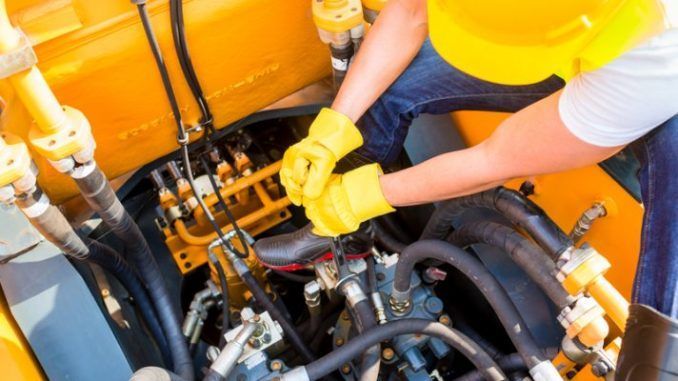
| Hydraulic Systems | Maintain lifting and digging functions |
| Lubrication Points | Reduce friction and component wear |
| Tires or Tracks | Support stability and mobility |
| Electrical Systems | Maintain reliable machine controls |
| Cooling Systems | Prevent overheating |
| Filters | Reduce contamination and protect components |
Recent Updates
Increased Use of Digital Monitoring
A major trend in recent years has been the adoption of connected equipment technologies. Modern machines often include sensors that monitor engine performance, fluid levels, operating temperatures, and machine utilization.
These systems provide data that supports equipment maintenance solutions by helping maintenance teams identify patterns and potential issues.
Growth of Predictive Maintenance Solutions
Traditional maintenance schedules are increasingly being supplemented by predictive maintenance solutions. Instead of relying only on fixed maintenance intervals, predictive systems analyze equipment data to estimate when maintenance may be needed.
This approach helps identify abnormal operating conditions and supports more informed maintenance planning.
Expansion of Heavy Equipment Diagnostics
Advancements in onboard electronics have improved heavy equipment diagnostics capabilities. Diagnostic tools can retrieve fault codes and operational data from machine control systems.
These technologies help technicians identify mechanical and electrical issues more efficiently and provide greater visibility into machine health.
Focus on Equipment Lifecycle Management
Organizations are placing greater emphasis on equipment lifecycle management. This process involves monitoring machinery from acquisition through operation, maintenance, refurbishment, and eventual replacement.
Lifecycle planning helps organizations understand long-term equipment performance and maintenance requirements.
Environmental Considerations
Many construction companies are paying closer attention to environmental performance. Maintenance programs increasingly include monitoring emissions systems, reducing fluid leaks, and improving fuel efficiency through proper equipment care.
These practices align with broader sustainability goals across the construction sector.
Laws or Policies
Workplace Safety Requirements
Construction equipment maintenance is often influenced by workplace safety regulations. Government agencies in many countries require employers to maintain equipment in safe operating condition.
Safety rules typically require:
- Regular inspections
- Proper documentation of maintenance activities
- Immediate attention to safety-related defects
- Operator training and awareness
Environmental Regulations
Environmental regulations may affect maintenance practices by establishing standards related to emissions, fuel handling, waste disposal, and fluid management.
Proper handling of used oils, filters, batteries, and hydraulic fluids helps organizations comply with environmental requirements.
Equipment Inspection Standards
Many jurisdictions require periodic equipment inspections for certain types of machinery. Inspection requirements can vary depending on equipment type, operating environment, and local regulations.
Maintaining accurate maintenance records can help demonstrate compliance with applicable inspection standards.
Manufacturer Maintenance Guidelines
Equipment manufacturers provide maintenance schedules and operating instructions designed to support safe machine operation. Following manufacturer guidelines helps ensure that maintenance procedures align with equipment specifications.
These schedules commonly include recommendations for fluid changes, filter replacement, lubrication intervals, and component inspections.
Tools and Resources
Maintenance Management Software
Computerized maintenance management systems help organizations organize maintenance activities and equipment records.
Common features include:
- Maintenance scheduling
- Inspection tracking
- Work order management
- Inventory monitoring
- Equipment history records
These systems are frequently used within fleet maintenance management programs.
Digital Inspection Checklists
Mobile inspection applications allow operators to complete daily equipment checks using smartphones or tablets. Digital records improve documentation consistency and simplify reporting.
Heavy Equipment Diagnostics Tools
Diagnostic tools connect to machine systems and provide information about equipment condition. These tools support heavy equipment diagnostics by helping technicians identify faults and monitor system performance.
Maintenance Templates
Maintenance templates help standardize inspection and maintenance procedures. Organizations often use templates for:
- Daily equipment inspections
- Lubrication schedules
- Safety checks
- Repair documentation
- Maintenance reporting
Excavator Maintenance Resources
Excavators are among the most widely used construction machines. Excavator maintenance services often rely on inspection checklists, hydraulic system monitoring, and track maintenance procedures.
Operators can use maintenance guides and manufacturer documentation to understand recommended inspection intervals and maintenance requirements.
Data Analytics Platforms
Modern equipment maintenance solutions increasingly use analytics platforms that process machine data from multiple sources. These platforms help identify trends related to utilization, wear patterns, and maintenance planning.
FAQs
What is construction equipment maintenance?
Construction equipment maintenance refers to the routine inspection, cleaning, lubrication, adjustment, and repair of machinery used in construction activities. Its purpose is to keep equipment operating safely and efficiently.
Why is preventive equipment maintenance important?
Preventive equipment maintenance helps identify potential issues before they develop into larger mechanical problems. Regular inspections and scheduled maintenance activities can reduce unexpected downtime and improve equipment reliability.
How do heavy equipment diagnostics support maintenance?
Heavy equipment diagnostics use electronic monitoring systems and diagnostic tools to identify equipment faults and performance issues. These tools provide information that helps maintenance personnel evaluate machine condition.
What are predictive maintenance solutions?
Predictive maintenance solutions use equipment data, sensors, and analytical tools to estimate when maintenance may be required. This approach helps organizations make maintenance decisions based on equipment condition rather than fixed schedules alone.
How does fleet maintenance management improve equipment oversight?
Fleet maintenance management helps organizations track inspections, maintenance records, equipment usage, and repair histories across multiple machines. This information supports planning, compliance, and equipment lifecycle management.
Conclusion
Construction equipment maintenance is an essential part of operating machinery safely and effectively. Regular inspections, preventive equipment maintenance practices, and accurate recordkeeping help support equipment reliability and performance. Modern technologies such as heavy equipment diagnostics, predictive maintenance solutions, and digital monitoring systems are changing how maintenance activities are managed. Understanding these fundamentals allows operators to contribute to safer operations and more effective equipment lifecycle management.