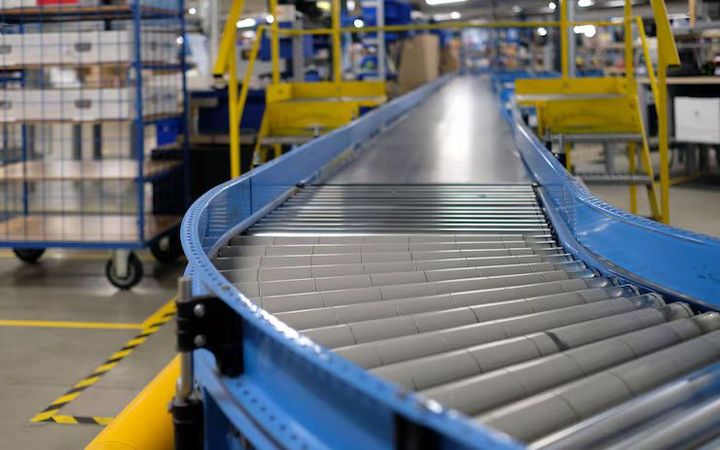
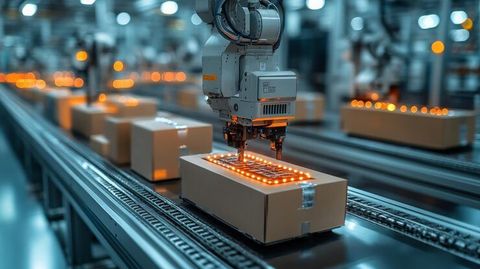
The basic concept behind gravity conveyors is simple: items are placed on rollers and move either manually or via a slight incline. This eliminates the need for motors, making them energy-efficient and easy to maintain. They are particularly useful for transporting boxes, cartons, pallets, and other solid items with flat surfaces.
Gravity roller conveyors exist because industries require efficient, low-maintenance solutions for moving goods across short to medium distances. As global supply chains grow more complex, these systems help streamline operations without adding significant energy costs.
Importance – Why Gravity Roller Conveyors Matter Today
In today’s fast-paced logistics and e-commerce environment, efficient material handling systems are essential. Gravity roller conveyors play a key role in optimizing workflows and reducing manual effort.
Key Benefits
These systems are important for several reasons:
-
Energy efficiency due to no electricity requirement
-
Cost control through minimal maintenance and simple design
-
Scalability for easy expansion or reconfiguration
-
Improved workplace efficiency and faster goods movement
Industries That Benefit
Gravity roller conveyors are widely used across multiple sectors:
-
Warehousing and distribution
-
Manufacturing and assembly lines
-
Retail logistics
-
Packaging and shipping operations
Common Problems They Solve
These systems address several operational challenges:
-
Reducing manual lifting and physical strain
-
Improving workflow speed
-
Minimizing downtime from equipment failure
-
Supporting lean manufacturing practices
As businesses increasingly focus on automation and efficiency, gravity conveyors remain a foundational component of modern material handling systems.
Recent Updates – Trends and Developments (2025–2026)
Over the past year, several trends have influenced the use and design of gravity roller conveyors. These developments reflect a broader shift toward flexible, sustainable, and technology-enhanced logistics systems.
Smart Warehousing Integration (2025)
Many facilities are integrating gravity conveyors with IoT-enabled sensors to monitor product flow and detect bottlenecks. This hybrid approach improves operational visibility without fully relying on powered systems.
Lightweight and Durable Materials (2025)
Manufacturers are using advanced polymers and aluminum alloys to improve durability while reducing system weight. This makes conveyors easier to install and maintain.
Modular Conveyor Systems (Early 2026)
Modular designs allow quick assembly and reconfiguration. These are especially useful in dynamic environments like e-commerce fulfillment centers.
Sustainability Focus (2025–2026)
There is a growing emphasis on eco-friendly logistics solutions. Gravity conveyors support sustainability goals by operating without electricity and offering long service life.
Ergonomic Enhancements
New designs include adjustable heights and smoother roller surfaces. These improvements help reduce workplace injuries and enhance handling efficiency.
Laws or Policies – Regulatory Considerations
Gravity roller conveyors are subject to workplace safety and industrial regulations, which vary by region. In India and similar markets, compliance with safety and operational standards is essential.
Key Regulatory Areas
-
Occupational safety standards under acts like the Factories Act
-
Ergonomic guidelines to reduce worker strain
-
Material handling rules for load limits and stability
-
Environmental policies encouraging energy-efficient systems
-
International standards such as ISO for safety and performance
Regulatory Summary Table
| Regulation Area | Key Requirement | Impact on Conveyors |
|---|
| Workplace Safety | Safe operation and maintenance | Proper installation and training |
| Load Handling | Defined weight limits | Strong frame and roller design |
| Ergonomics | Reduced worker strain | Adjustable height systems |
| Environmental Standards | Energy efficiency | Preference for non-powered systems |
Understanding these regulations ensures safe operation and helps organizations remain compliant in industrial environments.
Tools and Resources – Helpful Platforms and Utilities
Organizations can use various tools and resources to design, evaluate, and optimize gravity roller conveyor systems. These tools improve planning accuracy and operational efficiency.
Design and Planning Tools
-
Conveyor layout planning software for facility design
-
CAD tools for custom configurations
-
Load capacity calculators for system requirements
Operational Tools
-
Warehouse management systems (WMS) for tracking inventory
-
Simulation software to test efficiency
-
Maintenance tracking tools for scheduling inspections
Educational Resources
-
Industry websites and engineering forums
-
Online courses on material handling systems
-
Government safety guidelines and manuals
Templates and Checklists
-
Conveyor inspection checklists
-
Safety compliance templates
-
Workflow optimization guides
Tools Comparison Table
| Tool Type | Purpose | Example Use Case |
|---|
| CAD Software | System design | Warehouse layout planning |
| Load Calculators | Capacity estimation | Determining roller strength |
| Simulation Software | Performance testing | Identifying bottlenecks |
| Maintenance Trackers | Equipment monitoring | Scheduling inspections |
FAQs – Common Questions About Gravity Roller Conveyors
What is a gravity roller conveyor used for?
It is used to transport items such as boxes, cartons, and pallets across short distances using gravity or manual force.
Do gravity conveyors require electricity?
No, they operate without power, making them energy-efficient and suitable for simple material handling tasks.
What types of products can be moved on these conveyors?
They are best suited for items with flat, rigid surfaces, such as packaged goods or containers.
How are gravity conveyors maintained?
Maintenance involves regular cleaning, checking roller alignment, and ensuring smooth rotation.
Can gravity conveyors be customized?
Yes, they can be configured in different lengths, widths, and angles to meet specific operational needs.
Conclusion
Gravity roller conveyors are a practical and efficient solution for material handling across various industries. Their simple design, energy efficiency, and adaptability make them reliable for improving workflow and reducing manual effort.
As logistics and manufacturing continue to evolve, these systems remain relevant due to their low environmental impact and compatibility with modern technologies. Trends like modular design and smart integration further enhance their usability.
Understanding regulations, using the right tools, and staying updated with industry developments can help organizations effectively implement and manage gravity roller conveyor systems.